


Looking for a European trip this summer? We share tips on how to plan a trip to France, so you can plan your European break with ease.
Droves of intercontinental visitors cannot be entirely in the wrong. Among the most stopped destinations globally, France remains to reign as an international hub of culture, art, cuisine, and style. If you need a quick city holiday or a calming country expedition, you shall find lots to admire all over France.
France has lots to present to vacationers hunting for a new place to tour. Whether it’s the lights, culture, and sounds of Paris, the serene rural loveliness of a vacation gite inside the Dordogne, a sampling of the well-known French wines or the ancient chateaux which are dotted all over France. We share how to plan a trip to France, so you can fully prepare for your next visit.
How to plan a trip to France
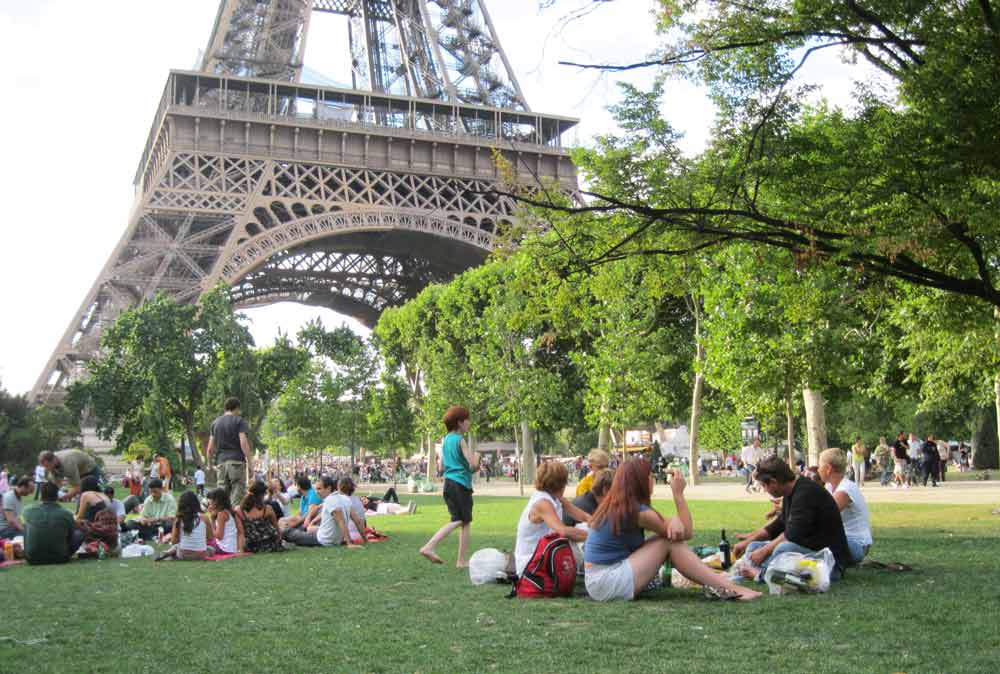
Preparing a trip to France
When to visit: First things first when looking at how to plan a trip to France, is when to go? The perfect moment for visiting France is contingent on where you shall be using up your time. The country’s Mediterranean coast is warm for nearly the whole year, whereas the Atlantic coast and Northern France have damper, less expectable weather conditions.
For those fascinated by wine, time your holiday to correspond with the grape harvest during Autumn. Whenever you tour, remember that many French individuals vacation in-country, implying huge crowds during France’s national holidays.
Getting around Paris
Paris is amongst the most prevalent world holiday destinations, making it comparatively effortless to access by rail and air when looking at how to plan a trip to France. You must be able to discover modest deals on lodging, vacation packages, and plane tickets—on the condition that you match prices plus book some months ahead of the tour. A vital hub for most global carriers, Paris is served by three key airports:
- Roissy-Charles de Gaulle Airport
- Orly International Airport
- Paris-Beauvais/Tillé
Look out for work slow-downs plus strikes, which take place at least once every year. Check your carrier’s site before travel for whichever news.
Find the apt means to get to France by air, road, or train, and discern the best air tickets if you are touring the French capital from your home country. As the second most toured European capital, Paris is quite well connected and reachable. The stress-free means to get to France’s capital is by train, plane, car, or bus. If you are planning a tour of France, you can choose to rent a car and drive around France; taking in all the sights and even visiting more off-the-beaten-path attractions.
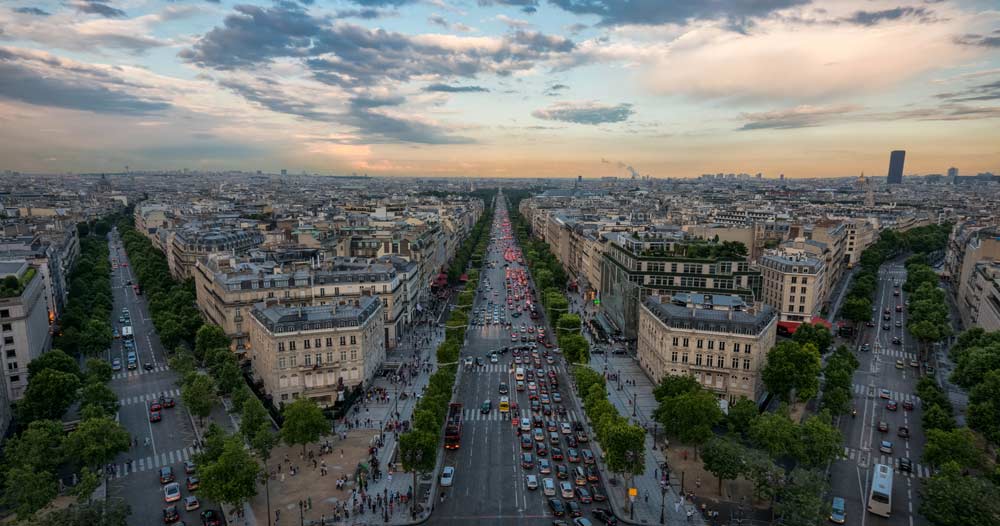
Getting around France
Knowing how to plan a trip to France, also means you know how to get around the country. Traveling around France is easy, whether you arrive there by plane, automobile or train— or even vessel, in Corsica’s situation. Consequently, do not feel as if you have got to use up all your time inside Paris. Go out and see the sights of wine regions, rural areas, and other places to be discovered in Western Europe’s biggest nation.
A comfortable and cheap way to travel around France is by train. The main railway company in France is SNCF. Tickets for SCNF trains can be booked easily through the provider Omio. Popular routes are the following:
- A swift two-hour train ride from Paris shall get you to Lyon, France’s culinary epicenter.
- A 90-minute drive lands you in Champagne, wherein you can sip bubbly inside the township where Dom Perignon made it perfect.
- Marseilles’ plane allows you to take in the Mediterranean sun, whereas touring classic Provencal settlements like St. Remy, Arles, Aix, and Nimes.


The best time to visit France
The appropriate time to go to France is in spring (April-May), summer (June-Aug.), plus fall (Sep-Oct). The nation delights in warm temperatures, even though there are territorial disparities: there is wetter weather in the north, close to the English Channel and a Mediterranean climate in the south.
In August, most of the country closes down to chase the sunshine in the south, so it isn’t always the best time to visit Paris. Winter is one of our preferred times to explore Paris, as the crowds are fewer, yet the restaurants are still lively with locals.
Season Breakdown:
- Spring (Apr–Jun): Mild weather, blooming landscapes, shoulder season savings.
- Summer (Jul–Aug): Warm weather but busy and expensive.
- Autumn (Sep–Oct): Great wine harvest season, fewer tourists.
- Winter: Fewer crowds, especially in cities like Paris; lovely markets & festive vibes.
How long should you stay in France?
When planning how to plan a trip to France, covering numerous highlights and areas, you need to spend at least 7-10 days exploring. This offers you sufficient time to explore several diverse expanses via plane, train, or road trip at your own pace.
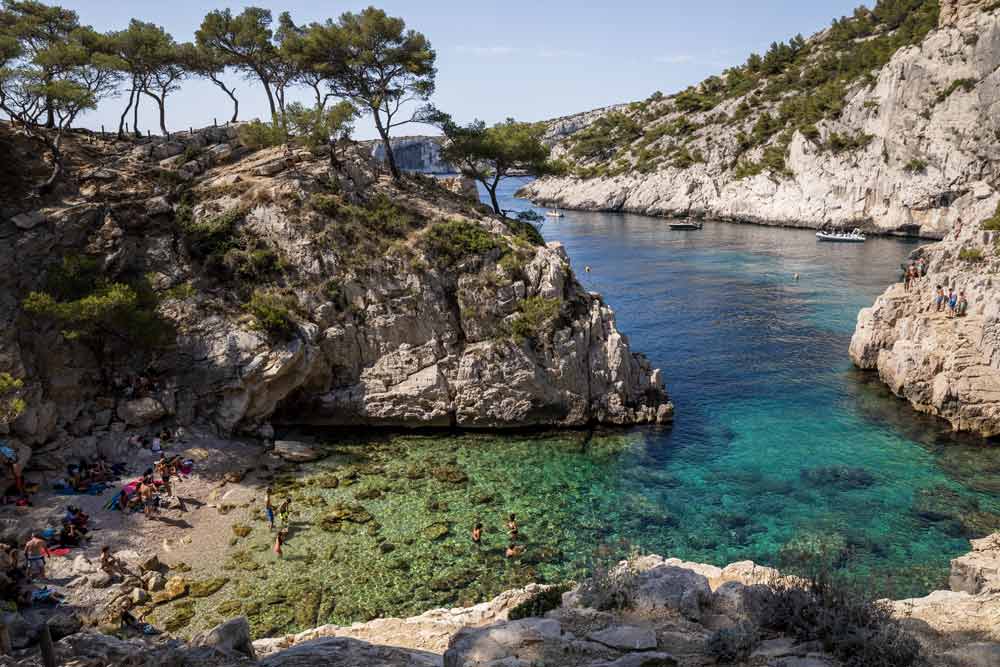
Within this time, you can have a few days to visit the best Paris tourist attractions and tour Provençal townships plus the Mediterranean shoreline with stopovers in Marseille and Calanques National Park—or the sunny French Riviera.
Visitors might likewise select to home in on Lyon and Bordeaux, the gastronomy and wine capitals, in that order, of France. You can include Corsica or conceivably high-altitude settlements inside the French Alps, such as Chamonix and Annecy, for two weeks or more; all of which should be on your France bucket list.
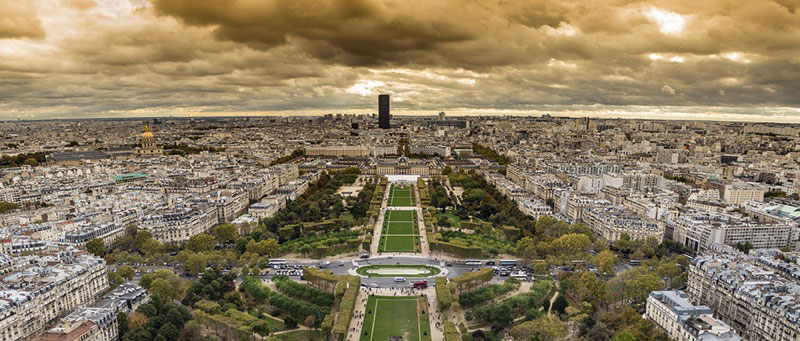
Best Places to Visit in France
From the snow-crowned mountains of the Alps to the beautiful villages of North Dordogne, to one of the most romantic and cherished cities globally, France isn’t only one of the most toured countries in Europe. Still, it is one of the most attractive plus fascinating places and has plenty to include when you learn how to plan a trip to France.
France, though, is more than just the shimmering Eiffel Tower plus legendary museums as the mountains, beaches, and countryside are some of the most magnificent areas to tour. Although one might spend a whole week visiting Paris, there are some other sensations of France you need to see as well, even just a few amazing day trips from Paris. Here are a couple of other great cities you can explore.
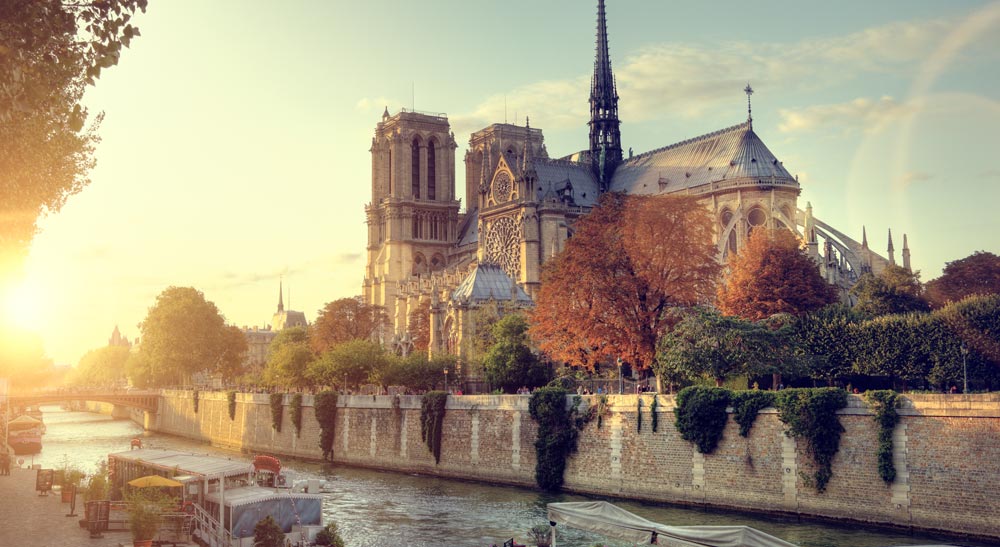
Paris
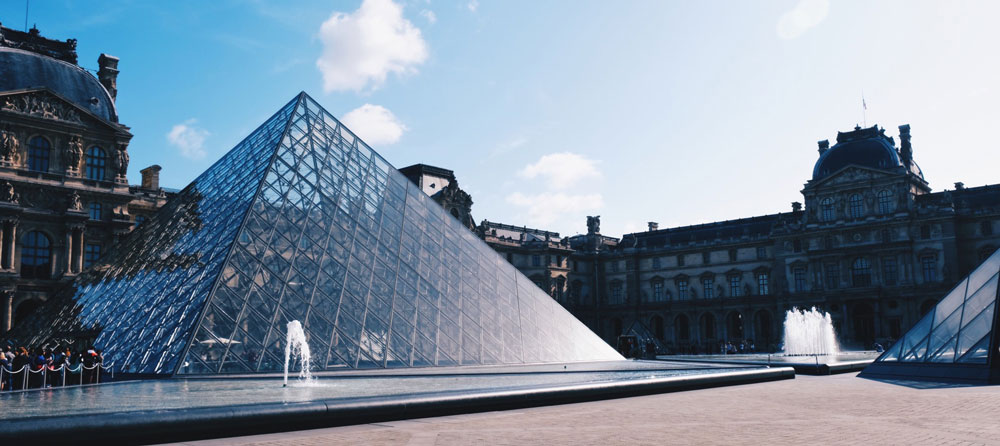
France’s capital is often the first stop for visitors — and for good reason. From world-class museums like the Louvre to strolling along the Seine and admiring the Eiffel Tower, Paris blends culture, history, food and romance effortlessly. Knowing how to plan a trip to France, the city is ideal for first-time visitors and offers endless neighbourhoods to explore beyond the main landmarks. Plus, there are plenty of free things to do in Paris, perfect for those visiting on a budget.
P.S. Visiting with kids or a big kid at heart? Find some time for a trip to Disneyland Paris too!
French Riviera (Côte d’Azur)
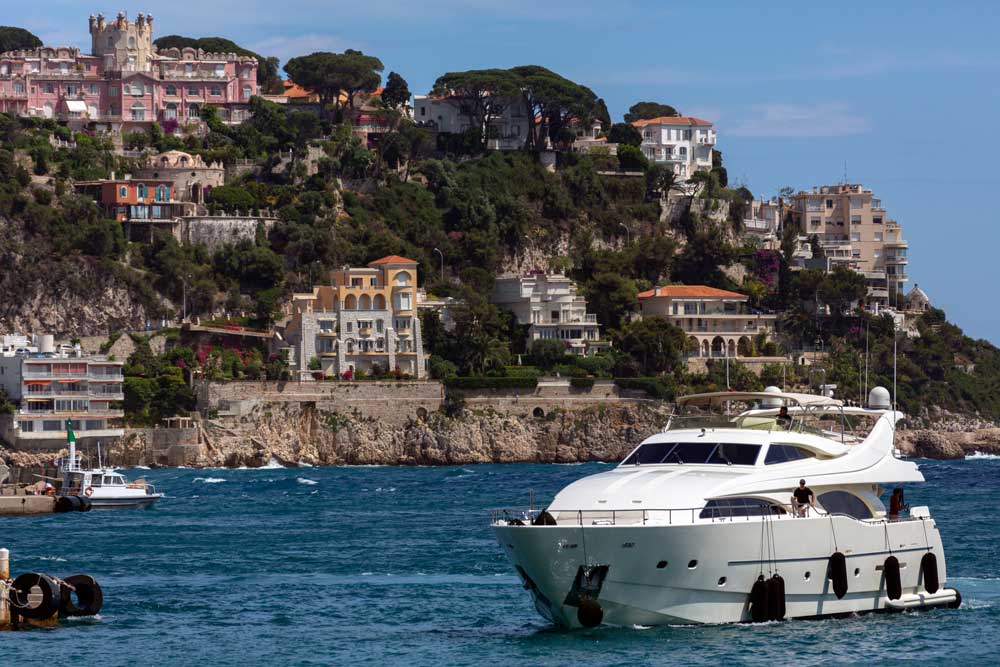
The glamorous south coast is famous for turquoise waters, colourful old towns and Mediterranean sunshine. Nice makes a great base, while Monaco and Cannes offer a taste of luxury. It’s perfect for beach lovers, scenic drives and relaxed coastal dining.
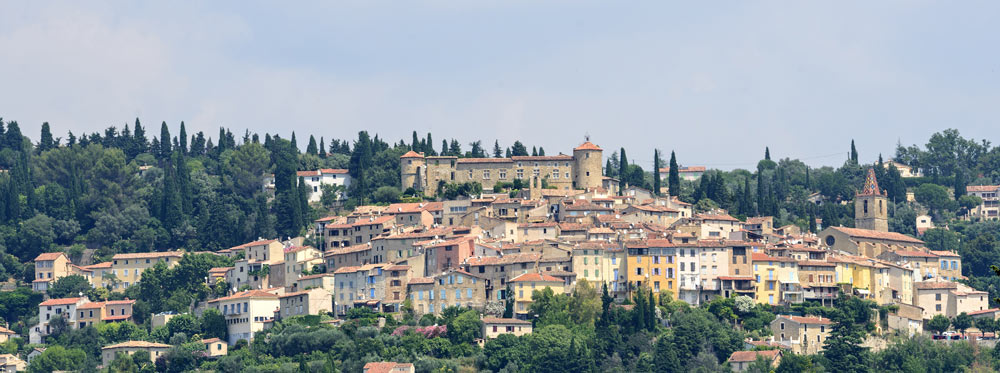
Provence
Known for lavender fields, hilltop villages and sunny vineyards, Provence offers a slower pace of travel when learning how to plan a trip to France. Cities like Avignon and Aix-en-Provence provide history and culture, while the countryside delivers postcard-perfect scenery — especially in summer.
Loire Valley
Often called the “Garden of France,” the Loire Valley is famous for its fairytale châteaux and wine estates. It’s an excellent region for road trips or cycling between castles, offering a peaceful contrast to busy Paris.

Normandy
A region of dramatic coastline, historic towns and powerful World War II sites, a must when learning how to plan a trip to France. Visitors can explore the D-Day landing beaches, charming harbour towns and Mont-Saint-Michel, one of France’s most iconic landmarks.
Bordeaux
A paradise for wine lovers, Bordeaux combines elegant architecture with vineyard-covered countryside. The city itself is lively yet sophisticated, and the surrounding wine regions are ideal for day trips and tastings.
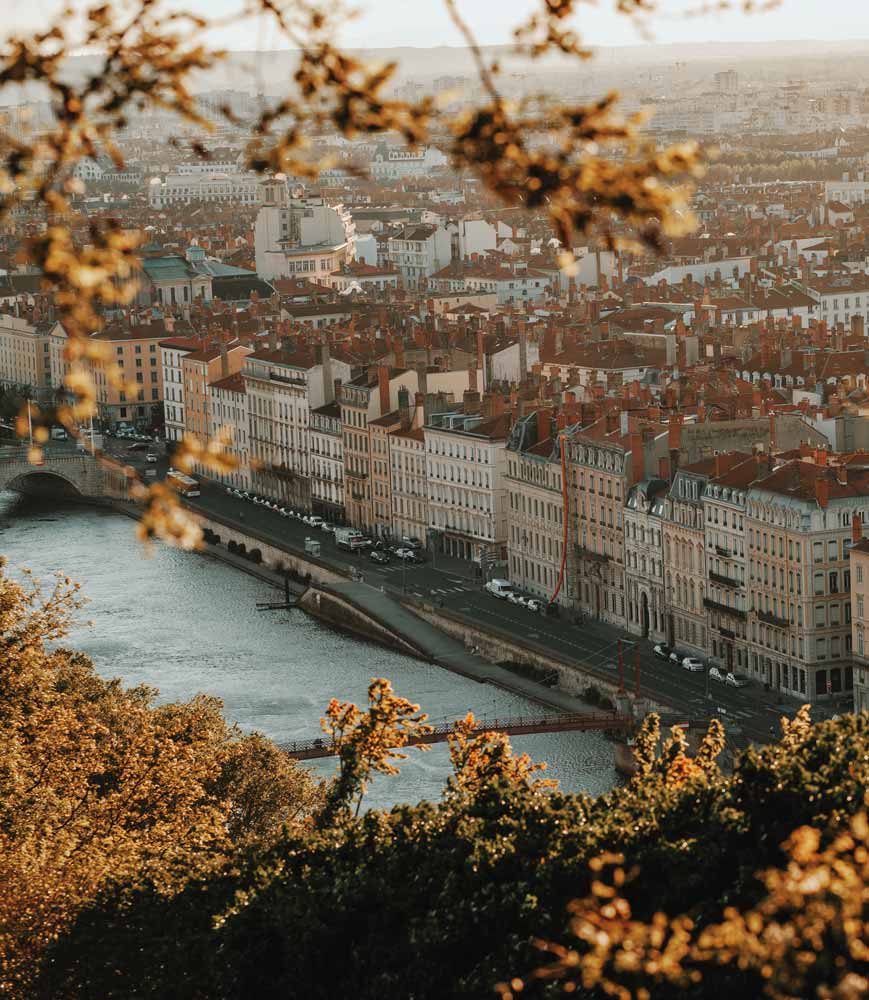
Lyon
Considered the culinary capital of France, Lyon is a must for food enthusiasts and a great option when looking at how to plan a trip to France. Its old town is a UNESCO World Heritage Site, and the city offers a mix of Roman ruins, vibrant markets and excellent local restaurants.
French Alps
Perfect for outdoor lovers, the French Alps offer skiing in winter and hiking in summer. Towns like Chamonix provide access to Mont Blanc and some of Europe’s most breathtaking mountain scenery.
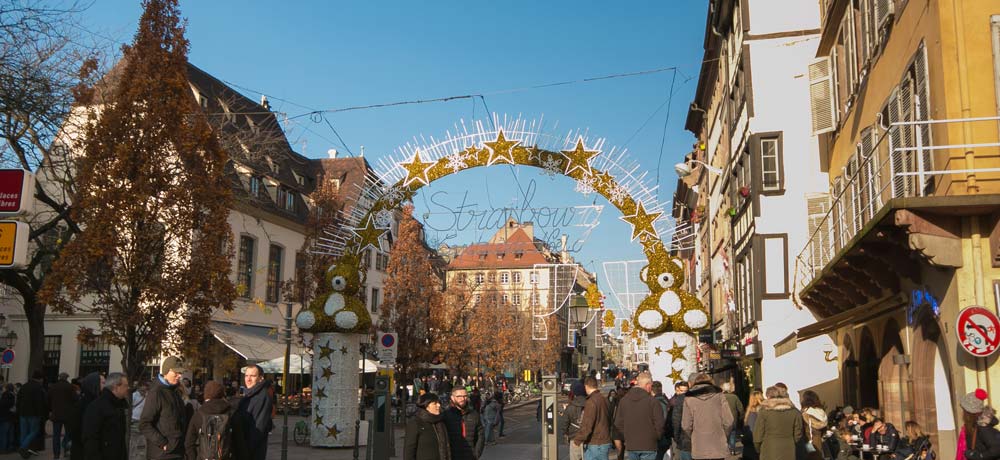
Strasbourg & Alsace
This charming region near the German border blends French and German influences. Strasbourg’s half-timbered houses and canals feel straight out of a storybook, especially during the festive season; Strasbourg is home to one of the best Christmas markets in the world.
Dordogne
A quieter region known for medieval villages, river valleys and prehistoric caves. It’s ideal for travellers looking to escape big cities and enjoy traditional French countryside life.
One week in France itinerary
Day 1: Classic Paris
Of course, when looking at how to plan a trip to France, you need to start in the capital.
- Visit the Eiffel Tower (book tickets in advance); one of the many reasons to visit Paris.
- Wander the Trocadéro gardens for photos.
- Take an evening cruise on the Seine for a relaxed first-night introduction to the city.
Day 2: Art & History
- Explore the Louvre Museum (arrive early to avoid crowds).
- Walk through the Tuileries Garden.
- Visit Notre-Dame Cathedral area and the Latin Quarter.
- Enjoy dinner in Saint-Germain-des-Prés.
Day 3: Montmartre & Hidden Paris
- Visit Sacré-Cœur for panoramic views.
- Explore Montmartre’s artistic streets.
- Spend the afternoon shopping along the Champs-Élysées or relaxing in Le Marais.
Day 4: Fairytale Castles
Take a train (around 1–2 hours) from Paris to Tours or Blois and explore France’s famous château region.
- Visit Château de Chambord.
- Continue to Château de Chenonceau, beautifully set over the River Cher.

Day 5: Wine & Countryside
- Enjoy a vineyard tour and wine tasting.
- Cycle between villages or explore local markets.
- Relax with a long countryside dinner featuring regional wines.
This region offers a slower pace and a glimpse of rural French charm.
Day 6: Nice
Fly or take a high-speed train south to Nice (around 6 hours by train from Paris).
- Walk along the Promenade des Anglais.
- Explore Vieux Nice (Old Town).
- Relax on the beach or enjoy seaside dining.
Day 7: Riviera Day Trip
- Visit Monaco for luxury yachts and coastal views.
- Stop in Èze for medieval charm.
- Alternatively, explore Cannes or Antibes.
France Travel Budget: How Much Should You Plan For?
Understanding costs ahead of time helps readers build a realistic travel budget when working out how to plan a trip to France on your own budget.
Typical Daily Budgets (per person):
- Budget traveler: ~€60–€100/day – hostels, local bistros, public transport.
- Mid-range: ~€120–€200/day – 3-4★ hotels, sit-down lunches, regular attractions.
- Luxury: €250+/day – boutique hotels, fine dining, private tours.
Top Budget Tips:
- Book flights early and be flexible with dates to secure low fares.
- Eat at formule bistros and open-air markets to save on meals.
- Consider regional transport passes for metros and trains to reduce costs.
Tips for visiting France
Learn a Few Basic French Phrases: Even in major cities like Paris, starting interactions with a simple bonjour goes a long way. The French appreciate politeness, and greeting shopkeepers or restaurant staff before asking a question is considered good manners. You don’t need to be fluent — just making the effort creates a much warmer experience.
Don’t Overpack Your Itinerary: France isn’t a country you want to rush. While it’s tempting to squeeze in Provence, Nice, Bordeaux and the Loire Valleyall in one week, travel days can quickly eat into sightseeing time. Build in slower mornings, long lunches and time to simply wander — that’s when France feels most magical.
Book Major Attractions in Advance: Popular sites like the Eiffel Tower and the Louvre Museum regularly sell out, especially in peak season. Booking online in advance saves hours of queuing and gives you more flexibility with your daily plans.
Understand Opening Days & Lunch Hours: Many museums close on Mondays or Tuesdays, and smaller shops often shut for a few hours at lunchtime. Restaurants may stop serving between 2pm and 7pm outside tourist areas. Always check opening times in advance, particularly in smaller towns.
Use Public Transport: France has an excellent rail network, including high-speed trains connecting major cities. Within cities, metros and trams are efficient and affordable. In rural regions like Normandy or Dordogne, however, renting a car offers far more flexibility.
Visit in Shoulder Season: Late spring (May–June) and early autumn (September–October) are often the best times to visit. You’ll enjoy pleasant weather, fewer crowds and more reasonable accommodation prices compared to July and August, when much of Europe is on holiday.
Embrace French Dining Culture: Meals in France are meant to be enjoyed slowly. Service may feel more relaxed than in the US or UK, but that’s intentional — you’re not being rushed out. Lunch menus (formule) often offer excellent value, especially in cities like Lyon, known as France’s culinary capital.
Carry Comfortable Walking Shoes: French cities are best explored on foot. Cobblestone streets in areas like Montmartre or historic town centres can be uneven, so comfortable footwear will make a big difference to your experience.
Be Aware of Pickpocketing in Tourist Areas: Like most major European destinations, tourist hotspots — particularly around major landmarks and transport hubs — can attract pickpockets. Keep valuables secure, use crossbody bags, and stay aware of your surroundings.
Consider Travel Insurance: While France has excellent healthcare, travel insurance provides peace of mind in case of delays, cancellations or unexpected medical needs — particularly if you’re combining multiple regions in one trip.
Most Beautiful Places to visit in France
Visiting France FAQ
Do I need a visa to visit France?
France is part of the Schengen Area. Visitors from the US, UK, Canada, Australia and many other countries can stay visa-free for up to 90 days within a 180-day period for tourism. Always check official government guidance before travelling, as rules can change.
What is the best time to visit France?
The best time to visit is usually May–June and September–October. These shoulder seasons offer pleasant weather, fewer crowds and better hotel prices compared to peak summer. July and August are warm but busy, especially in coastal regions like French Riviera.
How many days do you need in France?
For a first trip, 7–10 days allows you to explore Paris and one or two additional regions such as Loire Valley or Provence. If you want to explore multiple regions at a slower pace, two weeks is ideal.
Is France expensive to visit?
France can be expensive, particularly in Paris, but it’s possible to travel on a range of budgets. Choosing local bistros, travelling by train, visiting free museums on designated days and staying outside city centres can significantly reduce costs.
What currency is used in France?
France uses the Euro (€). Credit and debit cards are widely accepted, though it’s useful to carry a small amount of cash for markets or smaller cafés.
Is English widely spoken in France?
English is commonly spoken in tourist areas and major cities. However, learning a few basic French phrases such as “bonjour” and “merci” is appreciated and often leads to friendlier interactions.
How do you get around France?
France has an excellent high-speed train network connecting cities like Lyon, Nice and Bordeaux. Within cities, metros and trams are efficient. Renting a car is recommended for rural areas like Dordogne or Normandy.
Is France safe for tourists?
France is generally safe for travellers. Like many popular destinations, pickpocketing can occur in busy tourist areas and on public transport, so keep valuables secure and stay aware of your surroundings.
Stay Creative!
Thank you for your support and love for Creative Travel Guide. If you are looking for more video tips, make sure to head over to your YouTube channel and follow us on Instagram for daily tips and chats.
Share any questions or comments below and happy creative travels!
Is Marseille worth visiting? 5 Reasons to visit - Creative Travel Guide
Tuesday 24th of March 2026
[…] planning a trip to France, don’t forget the incredible beauty you need to […]
9 Most Beautiful Cities in FRANCE - Creative Travel Guide
Wednesday 18th of March 2026
[…] lies along the delightful Rhine River, which flows through 6 different countries and is a must when planning a trip to France. To make the most of your time, sign up for a romantic and lovely cruise through the Rhine River, […]
The Ultimate 10 Day France Itinerary - Creative Travel Guide
Wednesday 25th of February 2026
[…] Planning the perfect 10-day France itinerary can be overwhelming so we have put together the perfect trip for you, including France travel tips and the best places to visit in France; all so you know how to plan a trip to France. […]
Best Places to Visit in France with Family - Creative Travel Guide
Wednesday 25th of February 2026
[…] car-free French Alps resorts are a great draw with families with kids, a great option when planning a trip to France. The pistes are easy and there are plenty of ski schools in the villages that offer courses from […]
Best Experiences in France - Creative Travel Guide
Thursday 30th of November 2023
[…] are many reasons to visit France but either way, planning a trip to France is a must, at least once in our […]