
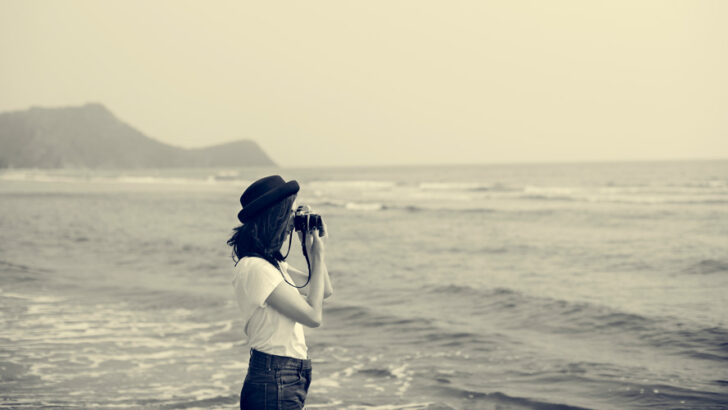

These outdoor photography tips help you capture stunning shots in any setting; master natural light, composition, and simple camera settings to level up your photos fast.
Outdoor photography tips can turn an average shot into a scroll-stopping image, whether you’re shooting mountains, beaches, forests, or city streets.
From working with natural light to choosing the right angles and timing, a few simple techniques make a huge difference. In this guide, you’ll find practical, easy-to-apply outdoor photography tips to help you capture sharper, more vibrant photos wherever your adventures take you.
Outdoor Photography Tips
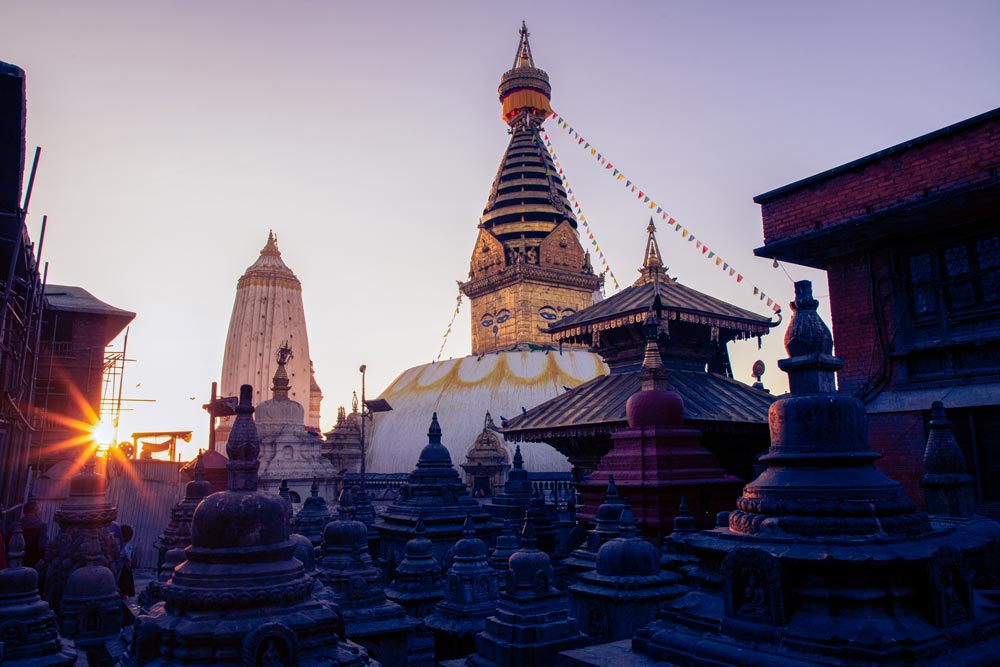
1. Choose the best time of the day
Avoid taking photographs around midday, the position of the sun will cause harsh shadows and if your object is a person, they will struggle not to squint. Early morning and late afternoon are the ideal times to be taking photographs outside; aim for the hour before sunrise and hour after sunset.
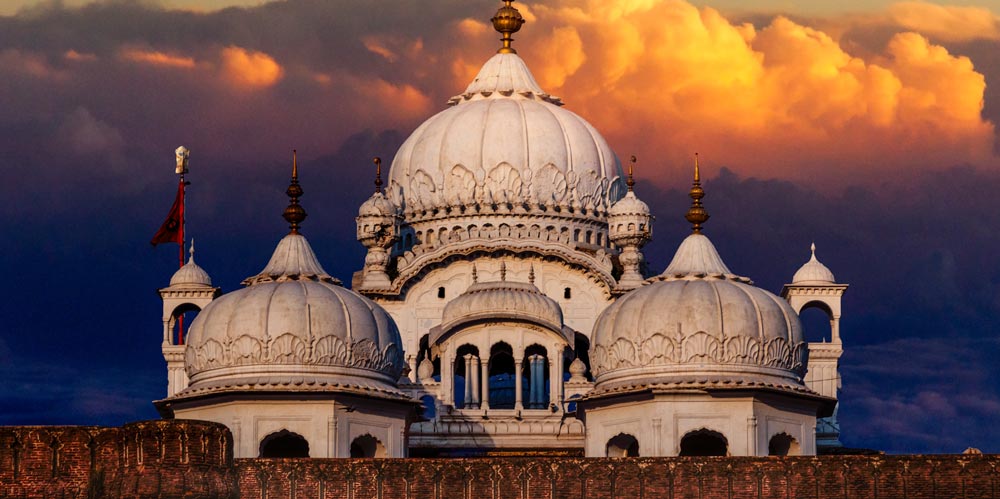
2. Shoot in RAW
Shoot in RAW, making it easier to edit your photos afterwards. Lighting outdoors is uncontrollable, if you shoot in RAW and then place these images into a program such as Lightroom and Photoshop (and use a raw image converter), you can adjust the white balance to perfect your image.
3. Try a slow shutter speed
When there is some movement in your image, such as waterfalls (like Niagara Falls), moving clouds or windy fields, slow down your shutter speed to make the most of the shot.
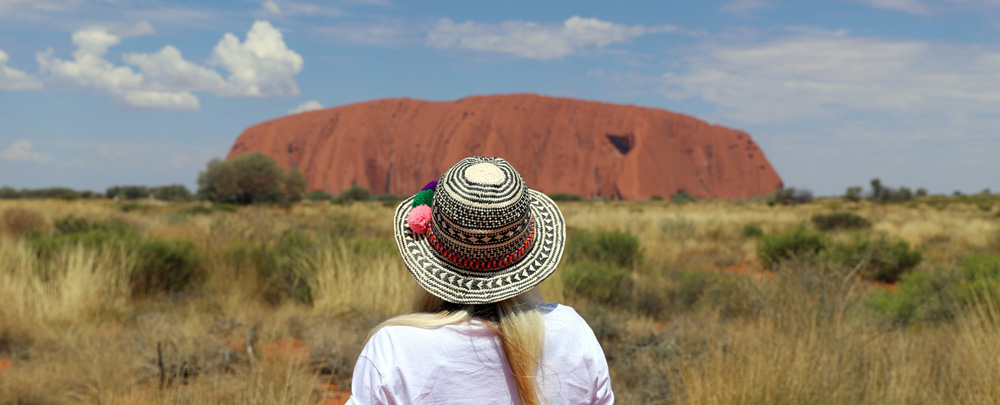
4. Include a focal point
When composing your shot, choose a focal point and line it up with the thirds in your image. This will add depth of field to your image and keep it interesting.

5. Be aware of the sun
It may sound obvious, but always be aware of the sun when you are shooting outdoors. Avoid shooting towards the sun otherwise, you will get a washed out image. Try to shoot with the sun behind you so you get a well-illuminated object and/or landscape.
6. Bring the essentials
Check the weather forecast, pack layers and make sure you are ready for long periods of time outdoors. Bring snacks and water to keep yourself hydrated and if you intend on hiking, make sure you only bring the lenses that you need. We like to use a lightweight, foldable tripod to keep the backpack light.
7. Use a wide-angle lens
These are popular lenses for landscape photography; used to emphasise the space and distance within a shot. If you want to include a lot of foreground, use a wide-angle lens.
8. Choose the right aperture
If your landscape has a lot of depth of field, your lens will need to be at a small f-stop; such as f/16. If this is too slow, try changing your ISO.
9. Find the horizon
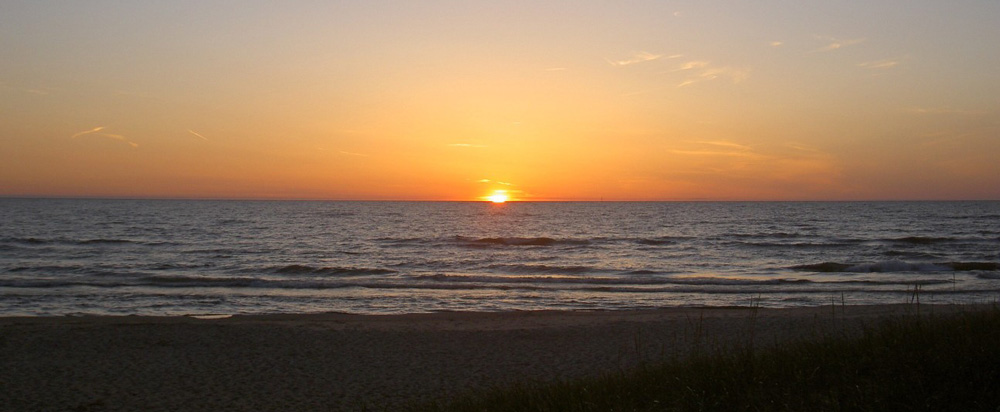
Keep an eye on the horizon in your image and make sure it is straight and level in your image. You can have it in the lower third of your image if the sky is interesting but more often than not, the horizon line works better higher in the image.
10. Take advantage of the continuous feature
You may find yourself in challenging situations; for example, when you are photographing movement or need to shoot with a slow shutter speed but don’t have a tripod. For these situations, use the continuous shooting feature on your DSLR. You may find many of your pictures out of focus, but there will be some that our subject will be in focus.
11. Polarizing filter
These filters are must-haves for outdoor photography because they work by only letting in light from certain angles. This can improve colour saturation and remove glare.

12. Use nature
Look around and find the leading lines in the area, look for wildlife, flowers, reflections and water. These can all add interest to your shot. Practise your Wildlife Photography to get the perfect shot.
13. Research your location
This may be easier for some locations than others but when you plan on photographing outdoors, research the location as much as you can.
We struggle to do this in China because there is very little information online and google maps aren’t available.
But for most locations, we do our research thoroughly. Use TripAdvisor, google maps and blogs to find out as much as you can about the location. Use Instagram to give you inspiration but also to gain more understanding of the type of lighting you may get, what challenges you may face and so on.
Outdoor Photography Tips FAQ
What is the best time of day for outdoor photography?
The best time is during golden hour—shortly after sunrise or before sunset—when the light is soft, warm, and flattering. Midday sun can be harsh, but it works well for high-contrast scenes or shaded areas.
What camera settings are best for outdoor photography?
Start with a low ISO (100–200) for bright conditions, a mid-range aperture (f/8–f/11) for landscapes, and adjust shutter speed to suit the light. Shooting in aperture priority is a great option outdoors.
How do I avoid harsh shadows in outdoor photos?
Shoot early or late in the day, use natural shade, or position your subject so the light hits them from the side. Overcast days are also perfect for soft, even lighting.
Do I need a tripod for outdoor photography?
A tripod isn’t always necessary, but it’s helpful for landscapes, low-light conditions, long exposures, or when you want perfectly sharp images.
What lens is best for outdoor photography?
Wide-angle lenses are ideal for landscapes and scenery, while zoom or prime lenses work well for wildlife, portraits, and travel shots outdoors.
How can I improve composition in outdoor photos?
Use the rule of thirds, leading lines, and natural frames like trees or doorways. Taking a few steps in any direction or changing your shooting height can dramatically improve a shot.
How do I protect my camera when shooting outdoors?
Carry a weather-resistant bag, use a lens hood or filter, and keep a microfiber cloth handy for dust or rain. In bad weather, even a simple plastic cover can help.
Is outdoor photography possible on a phone?
Yes! Many outdoor photography tips apply to smartphones too—focus on lighting, composition, and keeping the lens clean for sharper images.
What’s the most important tip for outdoor photography?
Pay attention to light. Great lighting often matters more than expensive gear and can instantly elevate your outdoor photos.
Stay Creative!
Thank you for your support and love for Creative Travel Guide. If you are looking for more video tips, make sure to head over to your YouTube channel and follow us on Instagram for daily tips and chats.
Share any questions or comments below and happy creative travels!
Best Camera Under $300 for Travel (2025) - Creative Travel Guide
Tuesday 27th of January 2026
[…] Best for: Travelers who want real optical zoom without breaking the bank. This is also great for outdoor photography. […]
Best Iceland Landscape Photography Destinations - Creative Travel Guide
Tuesday 27th of January 2026
[…] our outdoor photography tips to get the perfect images as you explore this […]
10 Tips for TRAVEL PHOTOGRAPHY – Creative Travel Guide
Wednesday 7th of September 2022
[…] 13 ESSENTIAL OUTDOOR PHOTOGRAPHY TIPS […]
CameraGuy
Wednesday 20th of April 2022
It sounds simple but clearly the sun is so important when taking pics outside, often times you will think everything is fine then take a look and find out the sun was affecting it more than expected. That is why you might need to change (or tweek) the location a few times until you find the perfect spot.
Learn Outdoor Photography Tips on a Shoot with | Result Videos books download game songs gana vlog
Saturday 8th of January 2022
[…] capture wonderful wildlife shots and master macro, or if you’re after …13 essential outdoor photography tips – Creative Travel Guidehttps://www.creativetravelguide.c…Shoot in RAW, making it easier to edit your photos afterwards. Lighting outdoors is […]