
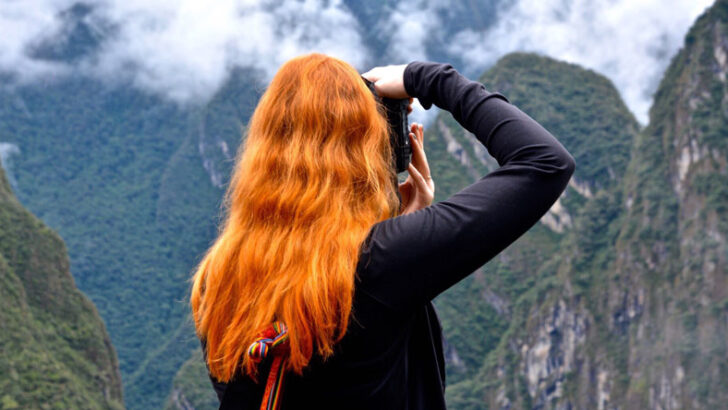

Capture stunning shots on your next trip with these essential tips for travel photography; from camera settings to composition and lighting.
Once you visit some remote (or not so much) place, you never truly leave. Your travel destination lingers with you, giving you a sensation of fulfillment and awe. With time the sensation fades, but can be easily rekindled by looking at the pictures you took there. Don’t have that many good pictures to remember the good times by? Well, if your travel photo archive is mostly of flawed shots, it’s high time you learned how to make perfect travel photos.
In this guide, we’ll be looking at 10 surefire tips that will help you end up with breathtaking landscapes, graceful cityscape shots, and lovely native portraits. So let’s not waste any more time and get to the tips stat.
Tips for Travel Photography
1. Research Your Destination
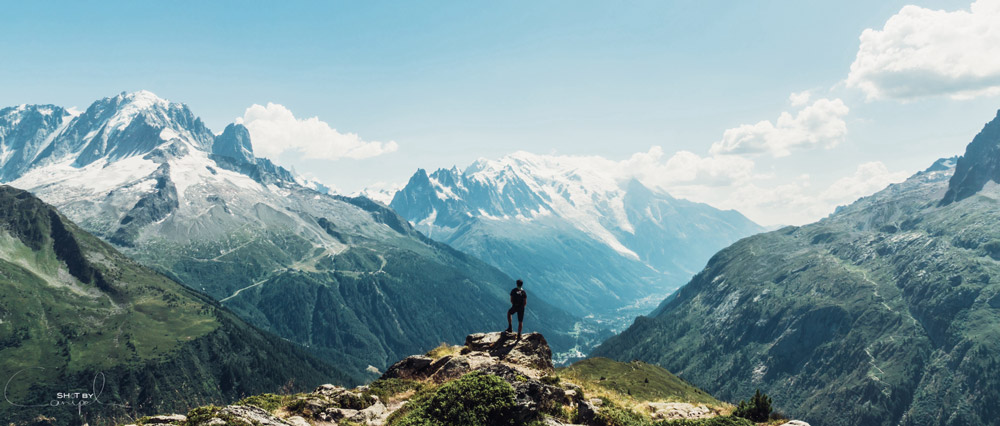
Our first tips for travel photography, is all about the place. Don’t be tempted just to go somewhere on a whim. Do your research first. Once you know your next destination, take your time getting to know it. Surf the Internet, read blogs and visit communities.
Don’t limit yourself only to the most popular landmark, but try to search for some new and little explored places. But if you do decide to stick with the popular places, learn what time of the day has the best light, the fewest people, and so on. Make sure to find out the easiest and safest route.
Once you know all the details, consider yourself ready.
Best Places for travel Photography
- Santorini, Greece – Famous for its whitewashed buildings and blue domes overlooking the Aegean Sea, planning a trip to Santorini is perfect for sunset photography and dramatic cliffside compositions.
- Kyoto, Japan – From cherry blossoms in spring to fiery red maple leaves in autumn, Kyoto offers temples, bamboo forests, and traditional streets ideal for cultural and seasonal photography, it is easily one of the most beautiful cities in Japan.
- Machu Picchu, Peru – This iconic mountaintop ruin provides epic landscape shots, especially at sunrise when mist rolls through the Andes; a must on every South America bucket list.
- Salar de Uyuni, Bolivia – The world’s largest salt flat creates surreal reflection photography during the rainy season, producing stunning mirror-like images.
- Banff National Park, Canada – Turquoise lakes, snow-capped peaks, and wildlife make Banff a dream for landscape photographers year-round, Banff is one of the best places to visit in Canada and for good reason.
- Petra, Jordan – The rose-red rock city offers incredible light contrasts, especially at dawn and during Petra by Night candlelit events.
- Iceland – Waterfalls, glaciers, volcanoes, and the Northern Lights make Iceland one of the most diverse photography destinations on Earth.
- New York City, USA – From skyline shots and street photography to iconic landmarks like the Brooklyn Bridge and Times Square, NYC delivers dynamic urban imagery.
- Cappadocia, Turkey – The fairy chimneys and sunrise hot air balloons create magical, dreamlike photography opportunities.
- Dubai, UAE – Futuristic architecture, desert landscapes, and luxury cityscapes offer strong contrast between tradition and modernity, there are plenty of exciting things to do in Dubai and to photography!
- Serengeti National Park, Tanzania – Ideal for wildlife photography, especially during the Great Migration when thousands of animals cross the plains. This is one of the best places for safaris in the world.
- Venice, Italy – Canals, gondolas, and historic architecture make Venice perfect for romantic and atmospheric photography, particularly in early morning light; a must on your Italy bucket list.
2. Never Shoot Without Permission
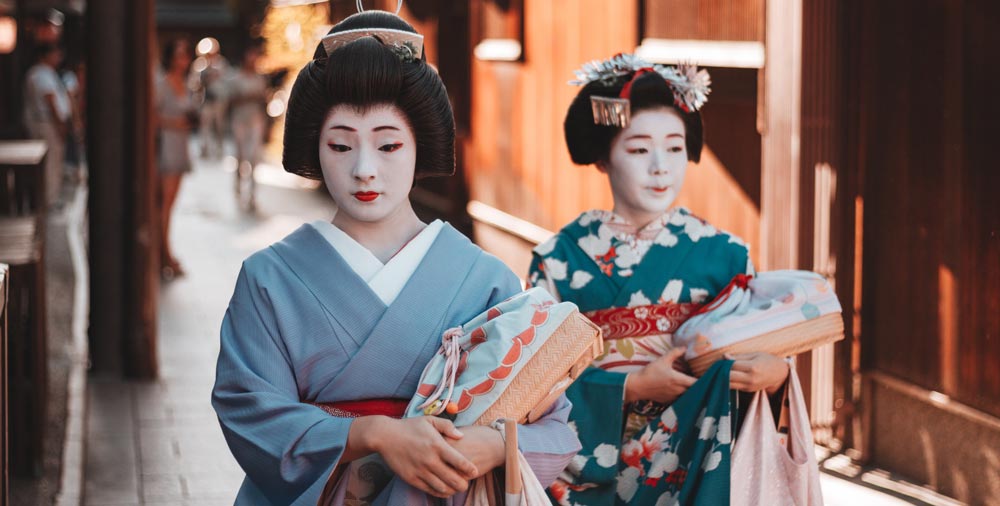
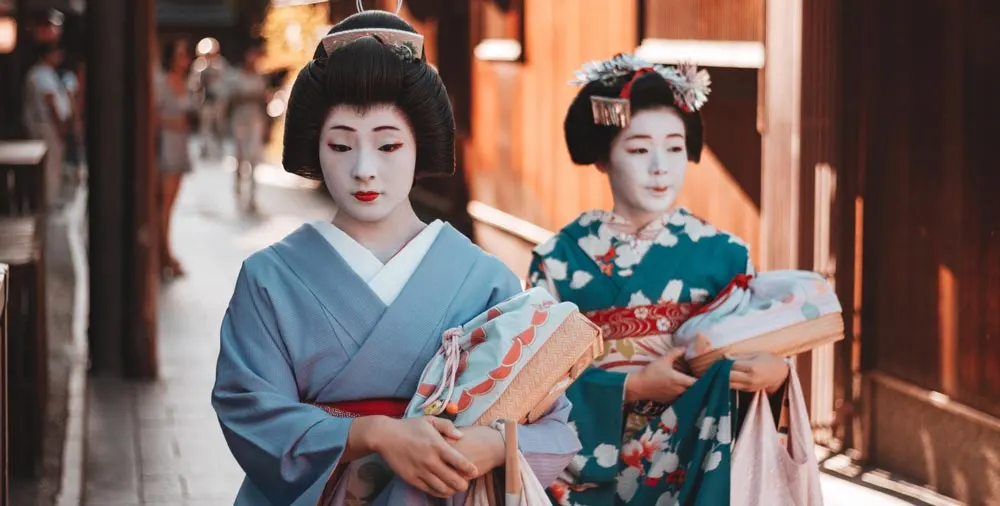
Local people might be one of the most intriguing aspects of traveling, but this is one of the more important tips for travel photography. Their raw beauty and often unconventional lifestyles mesmerize photographers and make for some top-tier images.
However, never try to snap a picture without their permission – this is just plain rude. The key is to talk to the people first, provided that you know the language or have someone to translate back and forth. Only after you establish some semblance of connection, ask them for a picture.
Don’t get discouraged if they say no – they have the right. Keep on asking for a photo and you are sure to one day find a willing model.
3. Remember – Patience is a Great Virtue
This is actually no joke – tips for travel photography might be 90% waiting for stuff to happen. If you are not ready to spend at least 15 minutes in driving rain or blistering cold to make a worthy shot, reconsider your plans to be a travel photographer. Learn to wait and keep patient.
All the metaphorical stars must align in just the right way for you to snap the shot. Good travel photography takes a good deal of time.
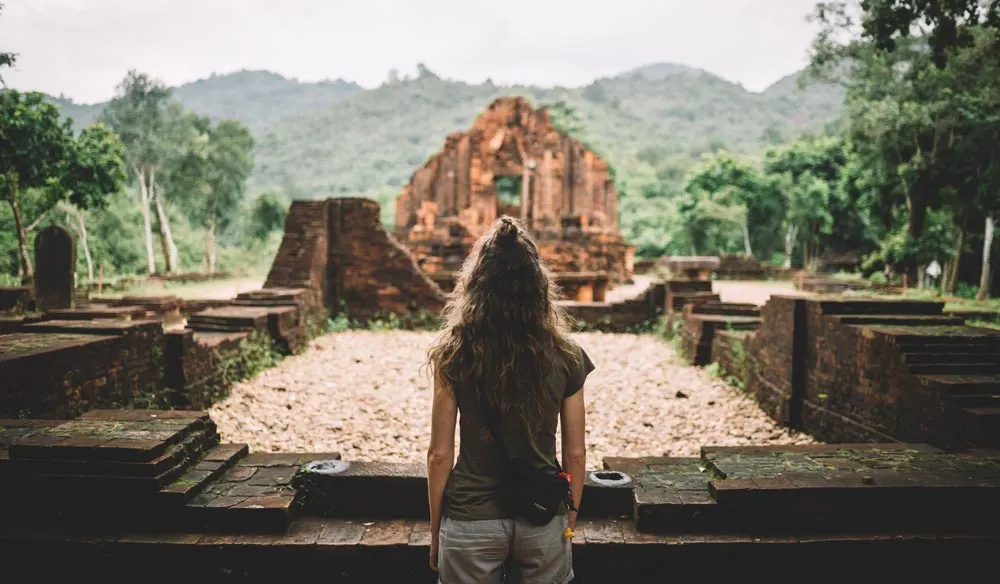
4. Never Underestimate a Good Composition
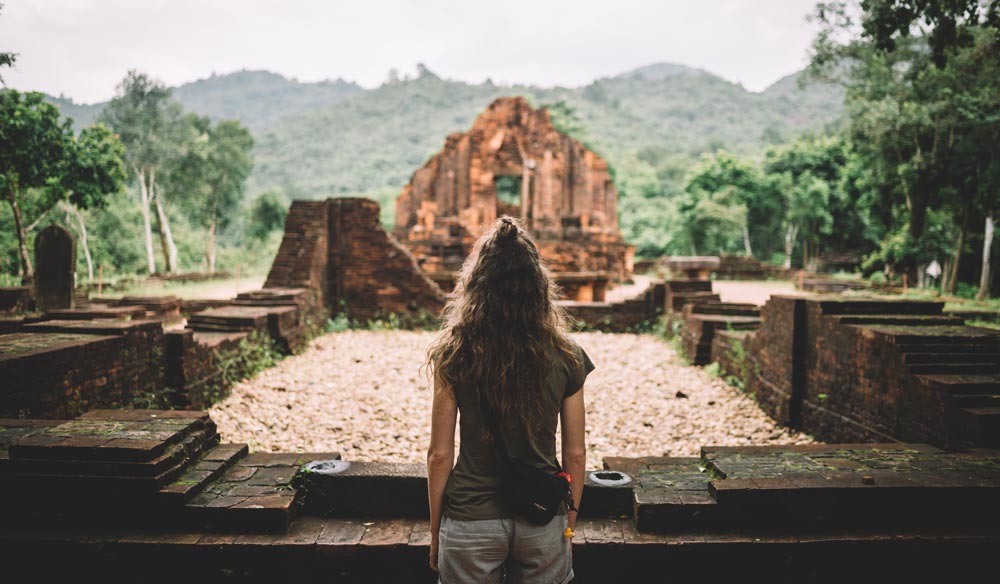
Your picture might seem to have it all – juicy colors, impeccable lighting, breathtaking sights – but still fall flat. The reason is simple. The picture has a poor composition. Learn to find a balanced composition to take your shots to a next level.
One of the easiest ways in that regard is observing the Rule of Thirds. Pictures shot with this rule in mind always turn out professional and pleasant to the eye. Composition is an especially important tips for travel photography, for those creating a specific instagram page or blog showcasing your images.
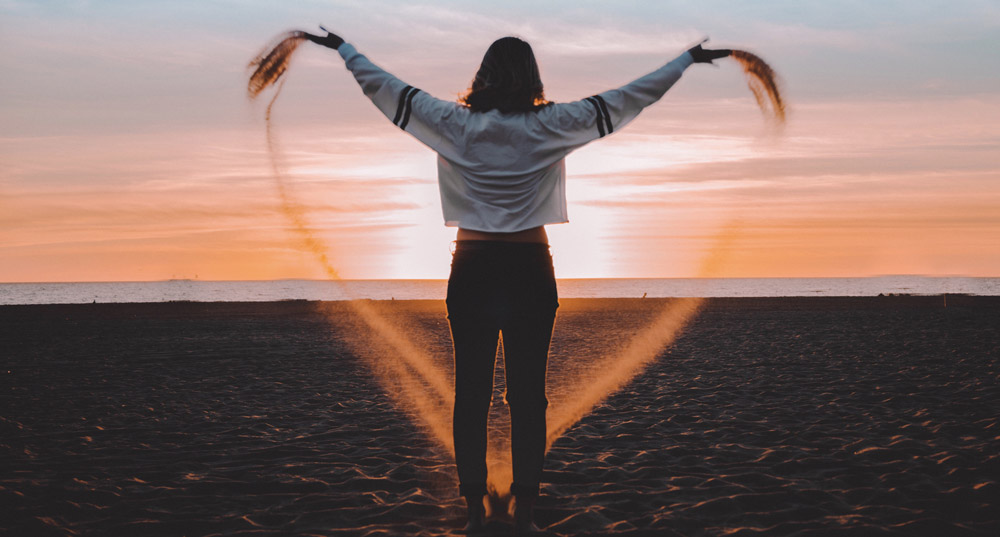
5. Become an Early Bird
If your destination of interest is a popular location, it is bound to be swarming with people at almost any given time. This is why you have to beat them to it. Wake up in the wee hours of the morning and rush to the landmark. Not only are you likely to be one of the very few people there, but you are also very likely to have the advantage of shooting during the Golden hour.
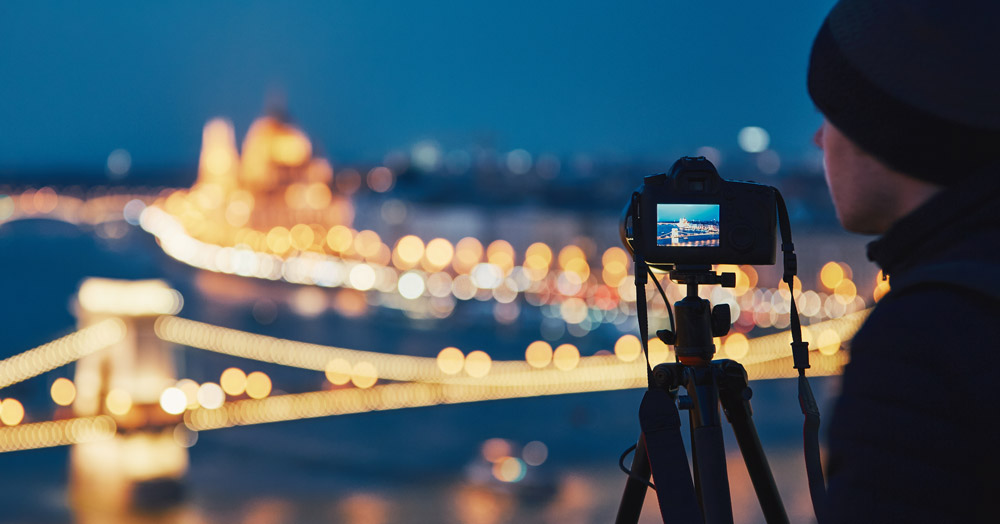
6. Get Yourself a Tripod
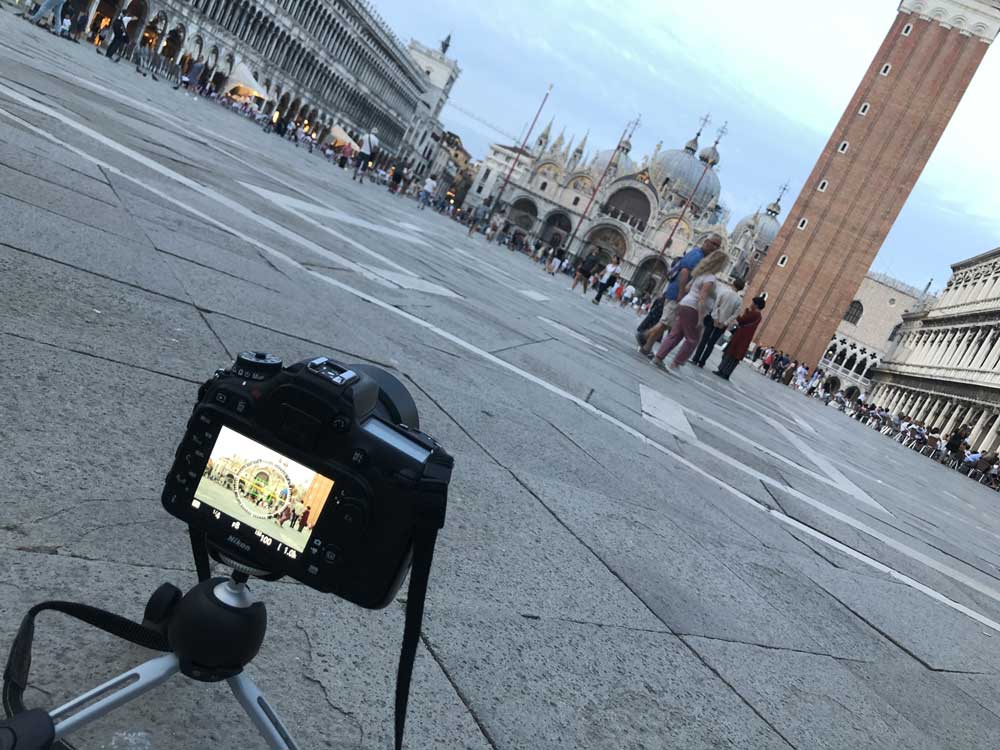
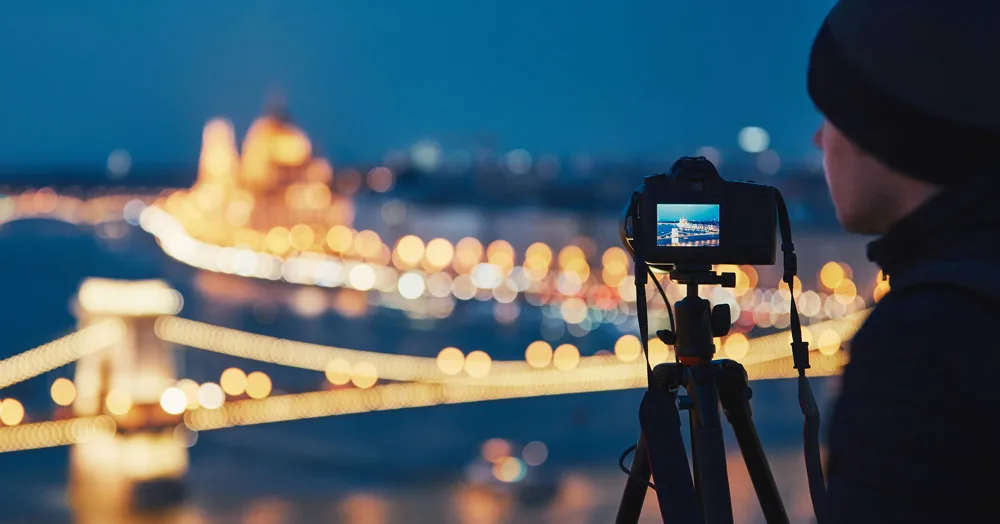
You remember the importance of patience, right? Well, it’s hard to be that patient if you’ve been holding your camera perfectly straight for the last two hours. This is where a little thing (or sometimes not so little thing) called a tripod comes in handy.
With it, you can easily arrange your composition, adjust focus, and wait for the perfect moment to press the button. If you frown at the idea of carrying additional weight with you, get yourself a lightweight tripod and quit complaining.
The stability and consistency that’s provided by shooting from a tripod will also come in handy if you are planning to print or create canvas work with your images.
7. Ditch the Auto Shooting Mode. Go Manual
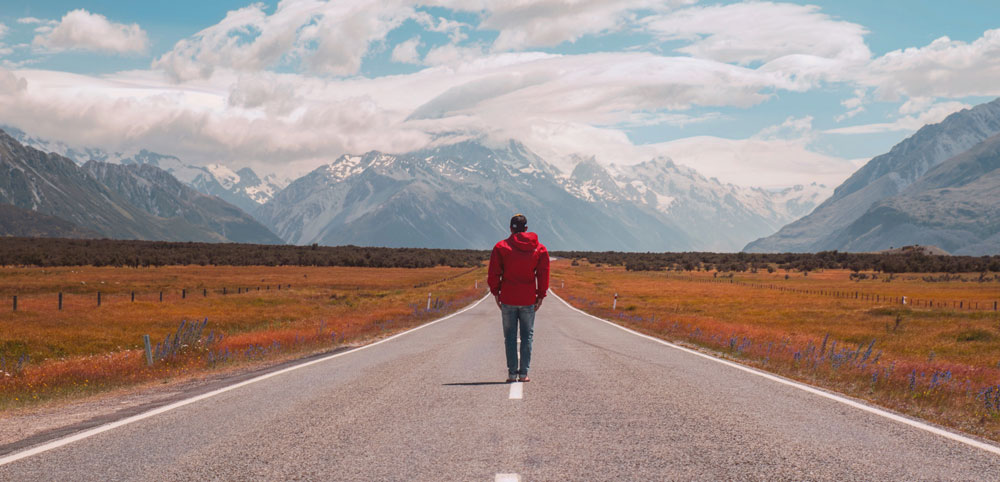
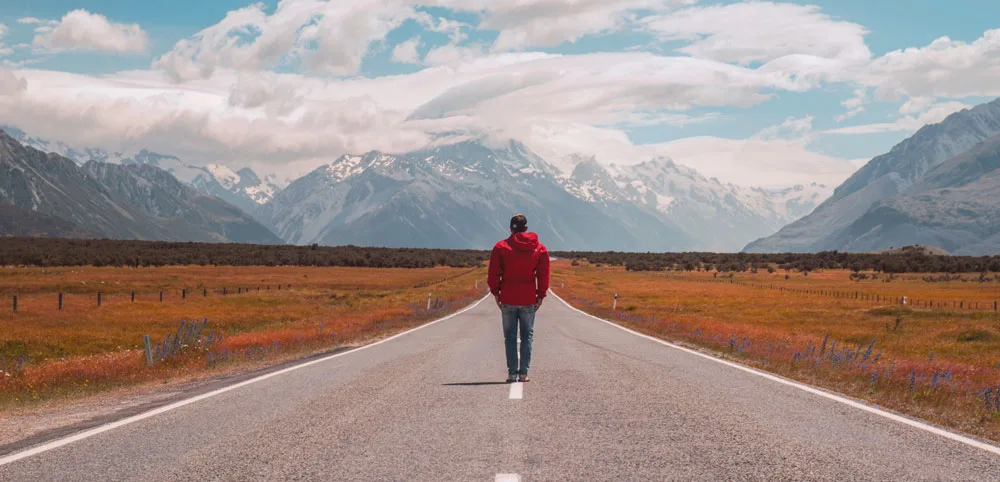
Our next tips for travel photography is all about settings. While your camera’s auto mode can still produce relatively nice travel photos, its digital eye is no match for yours. Only you know what ISO, aperture, and shutter speed to set to truly capture the beauty of the scenery. So make it your priority to thoroughly study your camera and always shoot in manual mode.
8. Keep Your Images Safe
While your own safety should as well be your concern, make sure that your shots are properly stored and protected as well. Regularly upload them to cloud storage like Dropbox or Google Drive. This way you’ll not only free space on your camera’s memory but will also make sure that your images don’t get accidentally deleted or lost when, for instance, your camera falls into a ravine.
9. Never Stop Learning
Many photographers usually fall into a trap of arrogance once they become successful. What is there left for me to know about the craft? I make money off it.
Well, the trick is to never stop striving for more knowledge. Buy courses, attend master classes, read articles and watch tutorials – there is no such thing as too much knowledge. Especially when it comes to post-processing.
Not only that, but there are plenty of tips and tricks online, from outdoor photography tips to camera guides.
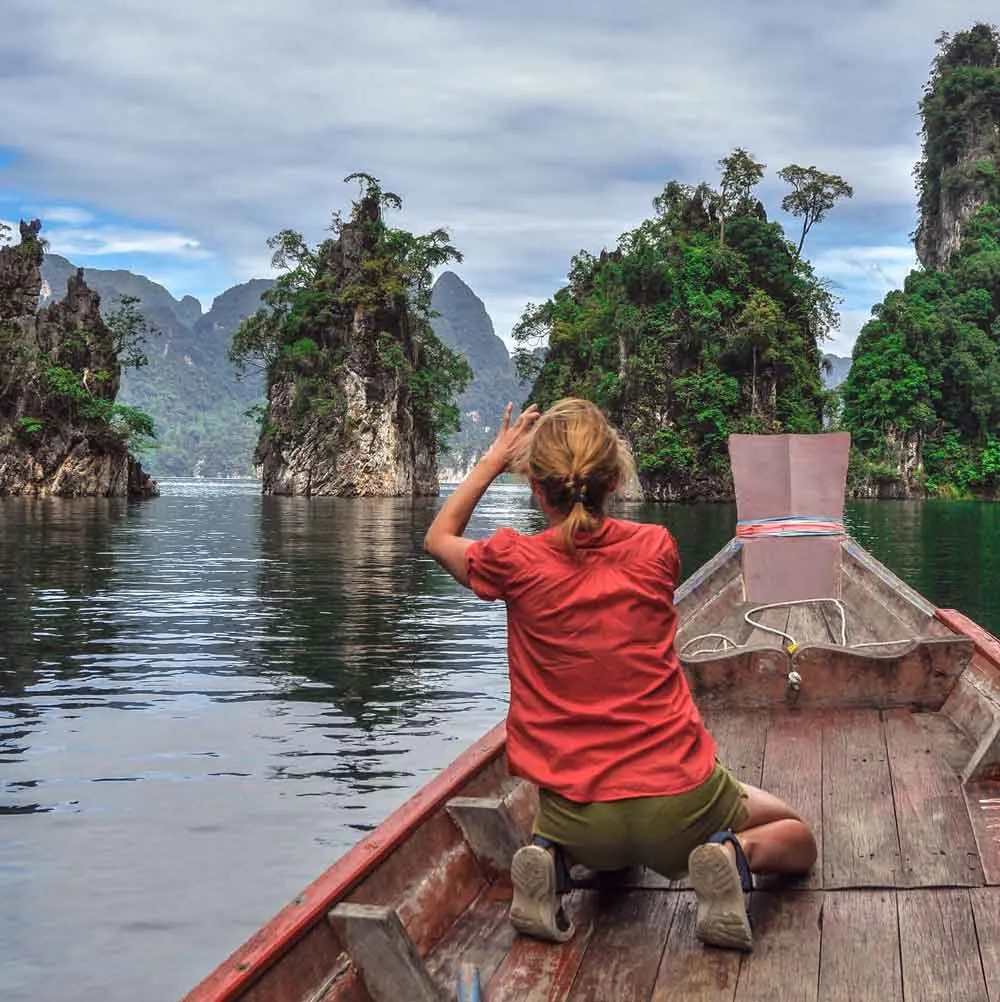
10. Prioritize Photography Over the Rest
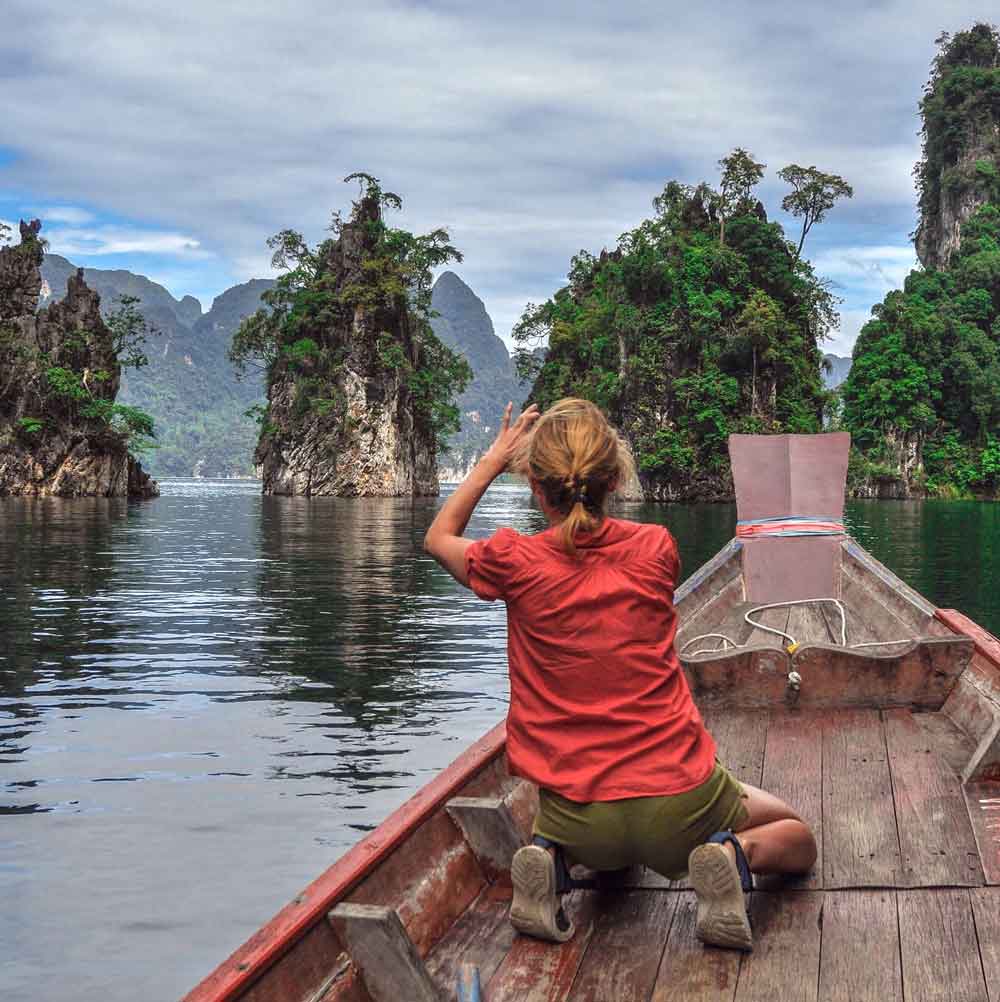
This one might be sort of obvious, but it’s still worth repeating. When you go somewhere to shoot nature or cityscapes, do that.
Don’t go bar hopping, don’t go sunbathing, don’t go anywhere or do anything that isn’t directly linked to photography. After all, you’ll get your leisure time someday, but when travel photography is your trade – focus on it.
Tips for Travel Photography FAQ
What are the best tips for travel photography?
The best travel photography tips include shooting during golden hour, using natural light, focusing on composition, and capturing candid moments. Always research your destination in advance and look for unique perspectives rather than standard tourist shots.
What camera settings are best for travel photography?
For travel photography, use a low ISO (100–200) in bright daylight, a wide aperture (f/1.8–f/4) for portraits, and a higher aperture (f/8–f/11) for landscapes. Adjust shutter speed depending on movement and lighting conditions.
Is a DSLR or smartphone better for travel photography?
Both work well for travel photography. A DSLR or mirrorless camera offers better image quality and manual control, while smartphones are lightweight, convenient, and ideal for spontaneous shots.
What is the best time of day for travel photos?
The best time for travel photography is during golden hour—shortly after sunrise and before sunset. The soft, warm lighting creates more flattering and dramatic images compared to harsh midday sun.
How can I take better travel photos on my phone?
Clean your lens, use natural light, avoid zooming digitally, and turn on grid lines to improve composition. Editing apps can also enhance brightness, contrast, and color for professional-looking results.
What lenses are best for travel photography?
A versatile zoom lens (such as 24–70mm) is ideal for travel photography. A wide-angle lens works well for landscapes and architecture, while a 50mm prime lens is great for portraits and street photography.
How do I take good travel photos in crowded places?
Visit early in the morning, shoot from higher viewpoints, use a shallow depth of field to blur crowds, or frame your shot creatively to focus on specific subjects rather than the entire scene.
How important is editing in travel photography?
Editing is essential for enhancing colors, correcting exposure, and refining composition. Subtle adjustments can make travel photos look polished while still maintaining a natural appearance.
Stay Creative!
Thank you for your support and love for Creative Travel Guide. If you are looking for more video tips, make sure to head over to your YouTube channel and follow us on Instagram for daily tips and chats.
Share any questions or comments below and happy creative travels!
Fitzgerald Bar in Bangkok, Thailand - A Review - That Bangkok Life
Thursday 23rd of April 2026
[…] We LOVE this camera for our travel photography. […]
7 Day Cruise Packing List (all the essentials) - Creative Travel Guide
Wednesday 11th of March 2026
[…] for higher-quality images, especially on scenic excursions. This is the best way to work on your travel photography! This is highly recommended when taking more picturesque cruises like those visiting Alaska or the […]
10 Best Places to Visit in Bhutan (2026) - Creative Travel Guide
Friday 6th of February 2026
[…] We LOVE this camera for our travel photography. […]
Best Free Things to do in Riviera Maya - Creative Travel Guide
Thursday 22nd of January 2026
[…] We LOVE this camera for our travel photography. […]
5 UNUSUAL THINGS TO DO IN KATHMANDU - Creative Travel Guide
Sunday 6th of April 2025
[…] We LOVE this camera for our travel photography. […]