
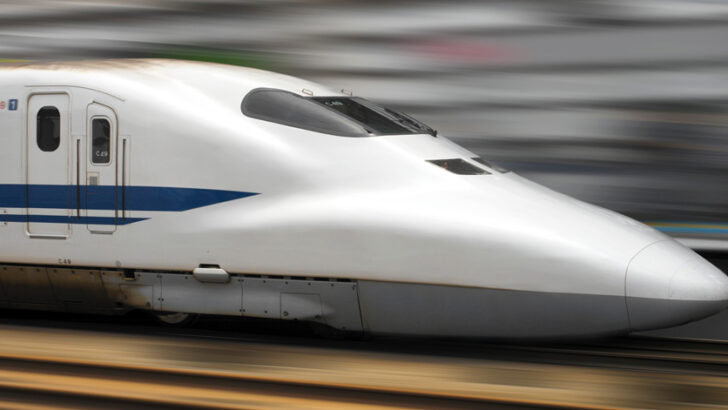

Planning a trip to Japan? We share this ultimate guide to train travel in Japan, including tips for traveling around Japan by train.
Touring Japan is an extensive and awe-inspiring process no matter what means you choose to explore this fascinating destination. Be that as it may, the train is arguably the best way to uncover most of the country, especially with a limited amount of time. With that in mind, here is an itinerary idea for train travel in Japan: an ultimate guide for unveiling the gems of Japan from Tokyo to Kitakyushu.
Train Travel in Japan
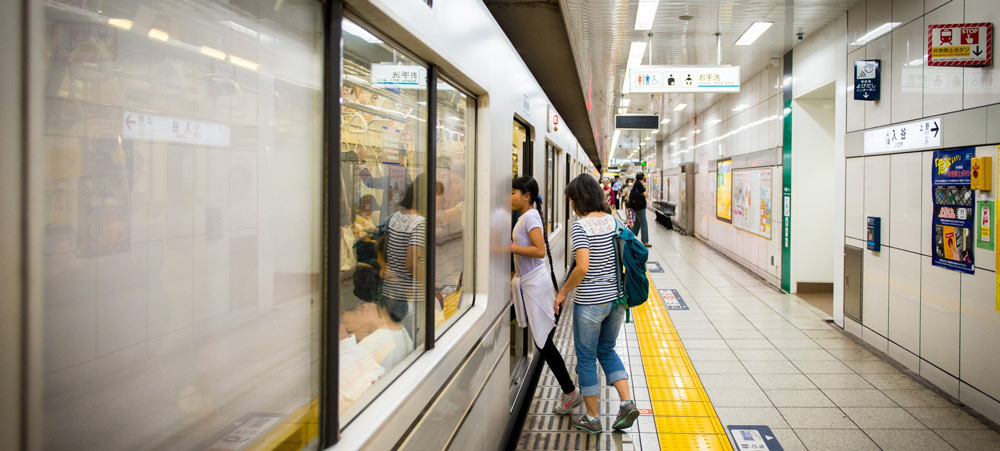
Shinkansen EXPLAINED
Japan’s high-speed trains, also known as bullet trains, connect you to destinations across Japan and is the easiest and fastest way to get around the country, this is the best train travel in Japan option for visitors.
The Shinkansen network has multiple links that connect the major cities of Tokyo, Kyoto, Osaka and Nagoya as well as small cities.
Shinkansen Seat types
There are two levels of classes that offer different seat options for those experience the train travel in Japan.
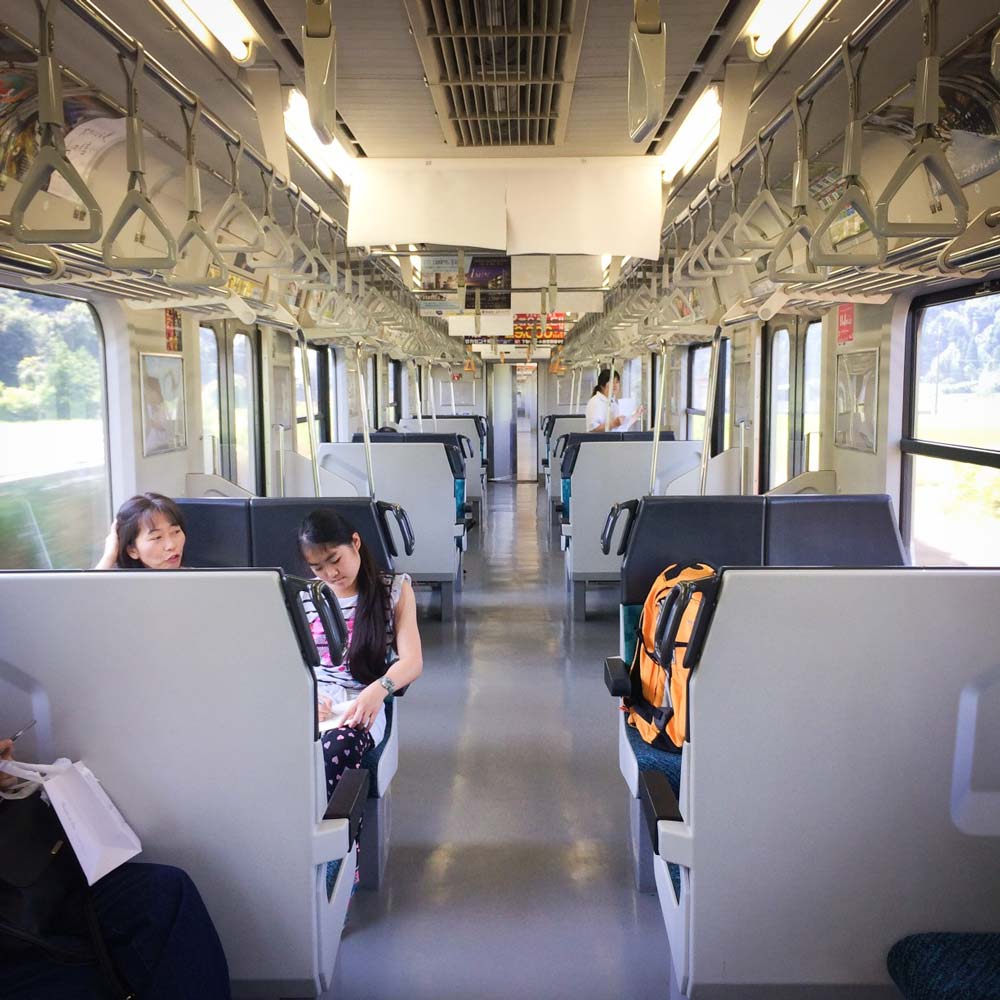
Ordinary: These are regular seats that are comfortable and are usually in rows of 3 and 2 seats.
Green Car: These are comparable to business class seats that you would find on planes. These are arranged in rows of 2 by 2, seats are larger and the cars are often less crowded.
Note: Gran Class is also available n some routes and is similar to the first class seats found on plans, with seats in 2 and 1 format as well as extra services and amenities.
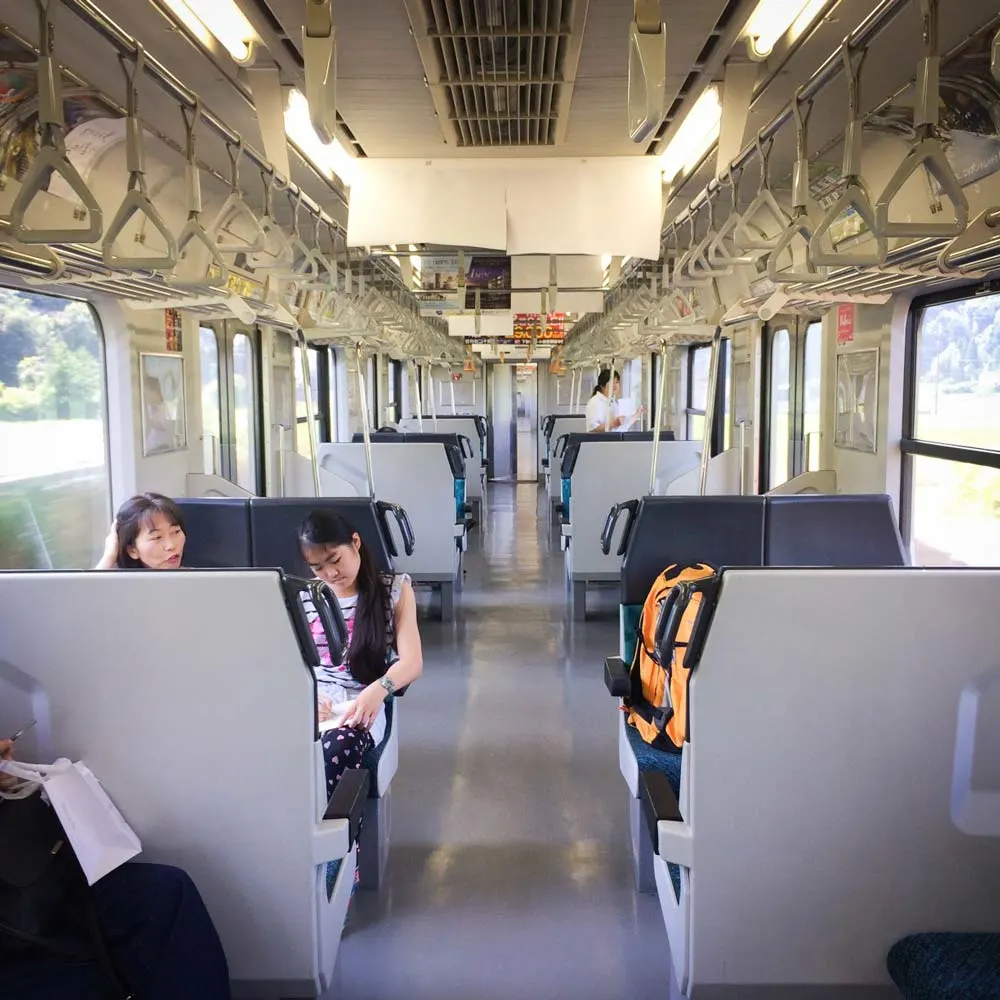
Reserved or non-reserved cars?
It is always advised to reserve your seats in advance if you can but expect to pay extra to do so. Japan Rail Pass holders can reserve seats for free and, if you are traveling far, we recommend reserving seats in advance. Reserved cars allow you to secure a seat whilst obviously non-reserved cars are not reserved, meaning you aren’t guaranteed a seat with your party.
Shinkansen Travel Tips
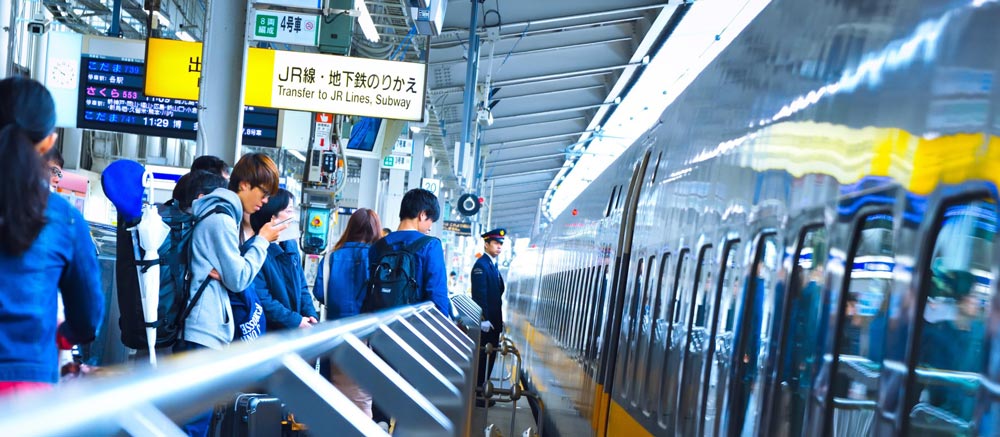
- Pass through the regular ticket gate at your station then may your way to the Shinkansen ticket gate, which leads you to the platform.
- Find your platform before boarding the train; there are signs on the platform that mark the location of doors.
- Seats are numbered and lettered in the same style as a plan, so check your seat row number and seat letter. Also, make sure to not blow the aisle with your luggage.
- Most trains have a small food cart that offers boxed bento meals, snacks and drinks but there isn’t too much variety. You can purchase snacks from a convenience store at or near your departure station.
- Wifi is available on board.
- Make sure to set your mobile phone to silent mode, do not talk loudly on the phone during your trip and make sure to discard rubbish in the bin on the train or in the station as you leave.
Best places to go in Japan (via train)
Tokyo
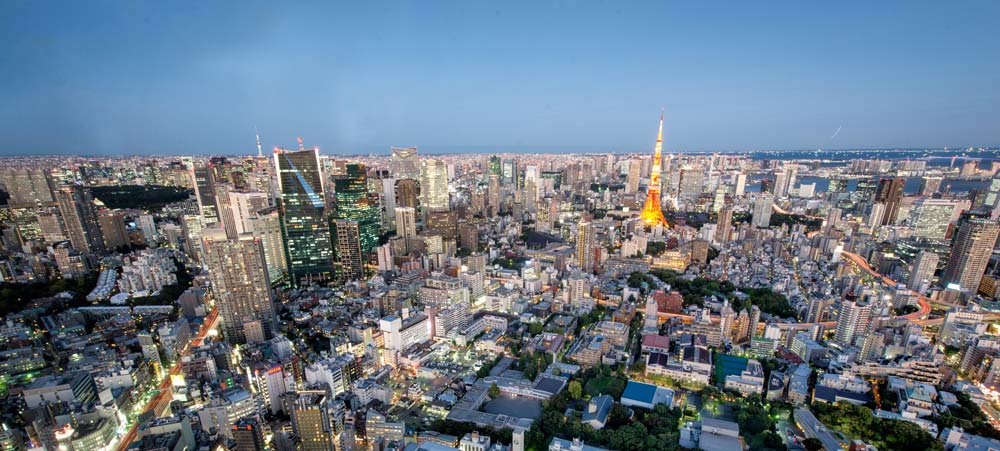
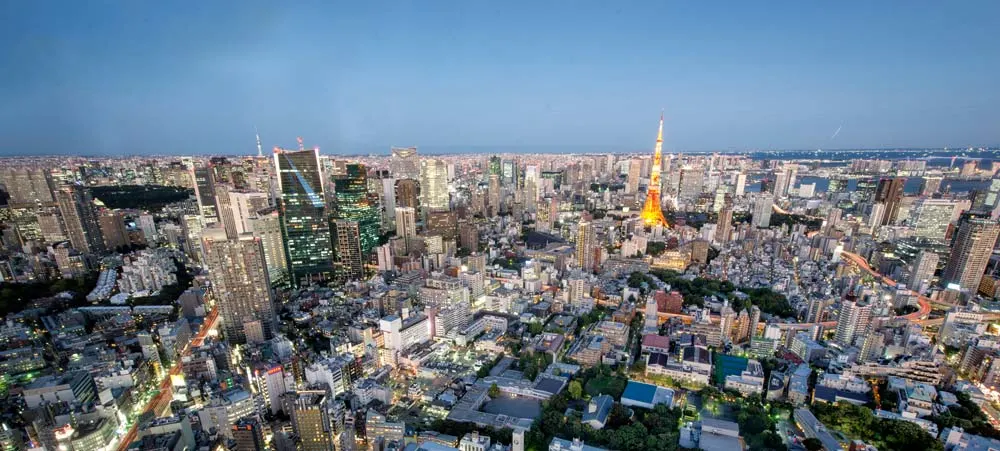
Tokyo, the bustling capital of the country, is unsurprisingly one of the best starting points for your unforgettable train journey. No matter if you have planned a 5-day or 10-day itinerary in Japan, you are likely going to start in Tokyo.
Located by the bay bearing the same name, the city is home to around 14 billion inhabitants, making it one of the main hubs in the country. Despite the shocking number of inhabitants, Tokyo boasts a well-developed rail system, allowing them to easily accessible locations all over the city as well as outside its limits.
Start your journey by exploring some of best places to visit in Tokyo, which you can reach while commuting like a true local! Some of the main interest points include but are not limited to the Shinjuku Gyoen Garden, the Yoyogi Park, the cherry blossom-filled Nakameguro neighborhood, the imposing Tokyo Skytree, and Sensoji Temple, the oldest temple in the city.
Kyoto
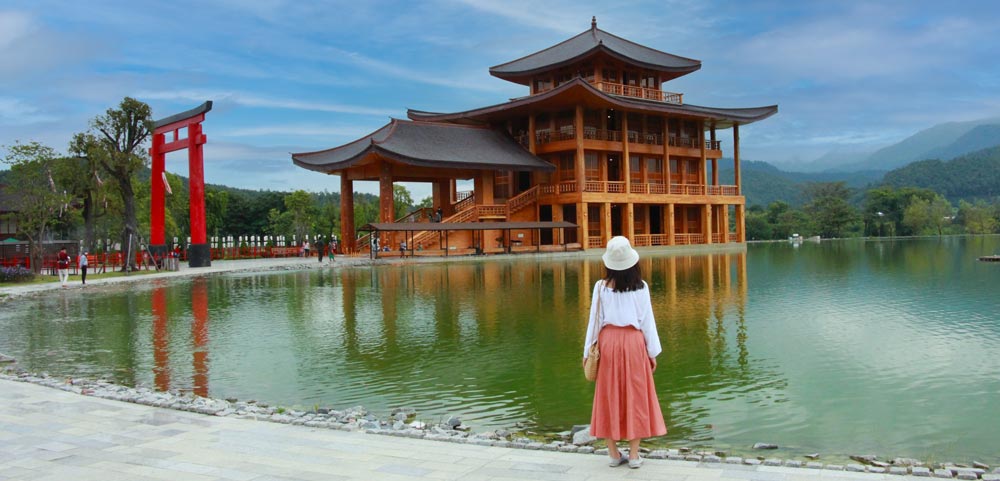
For those interested in temples, visiting Kyoto is a must while in Japan. Hop on a Tokyo to Kyoto Train and marvel at the unparalleled houses of worship with your own eyes!
Did you know that there are around 1600 shrines and temples located all over the city? Visiting them all is close to impossible; however, some of the main ones to include in your Kyoto itinerary are the Nanzen-ji Temple, the Kiyomizu-Dera Temple, and the Tenryu-ji Temple Temple. In addition to that, don’t miss the chance to pay a visit to the Fushimi Inari Shrine boasting an impressive site of thousands of torii gates, as well as Shimogamo Shrine – one of the oldest ones in the entire city.
Okayama
Next on the itinerary is the gem of Western Japan – Okayama. It is known as one of the most important transportation hubs, providing important rail connections as well. Moreover, it provides an abundance of things to see and do, such as strolling around the manicured Okayama Korakuen Garden, which is home to the 16th-century Okayama Castle also known as the Crow Castle due to the dark color of its exterior.
Other attractions on the Okayama itinerary include the Yumeji Art Museum, the Kibitsujinja Shrine, the awe-inspiring Okayama Korakuen Garden and Asahi River Sakura Road during the Sakura blooming season, the Kurashiki Bikan area, the Okayama Orient Museum, and much more. For some authentic experiences, don’t miss the chance to take part in meditation practice, pottery or a painting class, or delve deeper into the authentic Japanese heritage and visit the setting of a centuries-old folk fairytale in the Saijo Inari Shrine.
Hiroshima
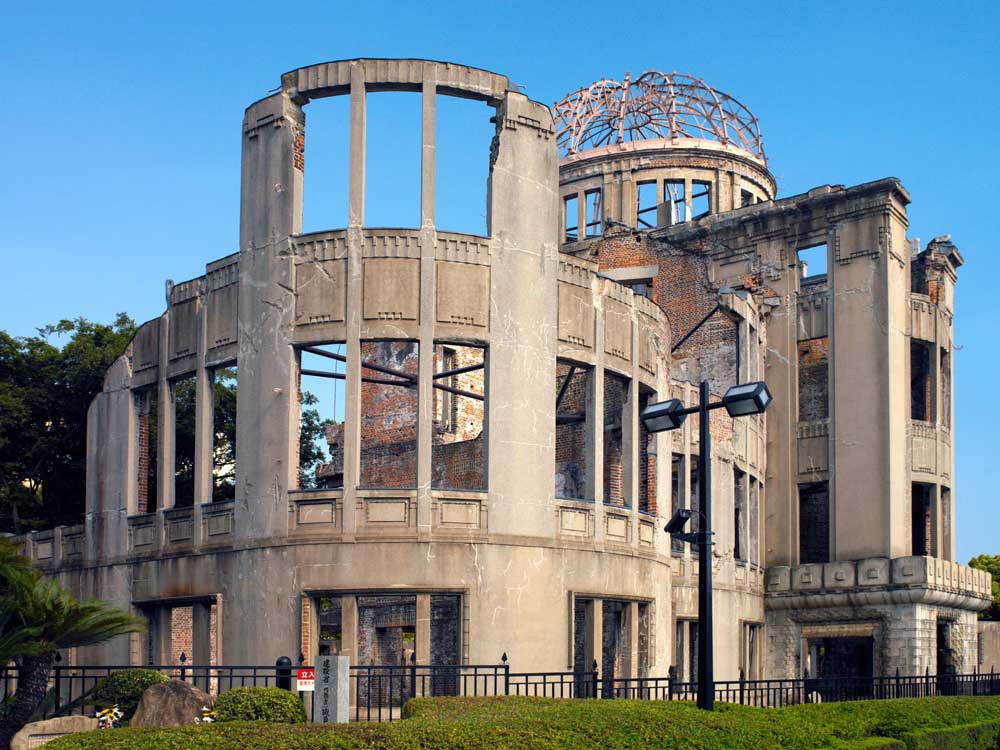
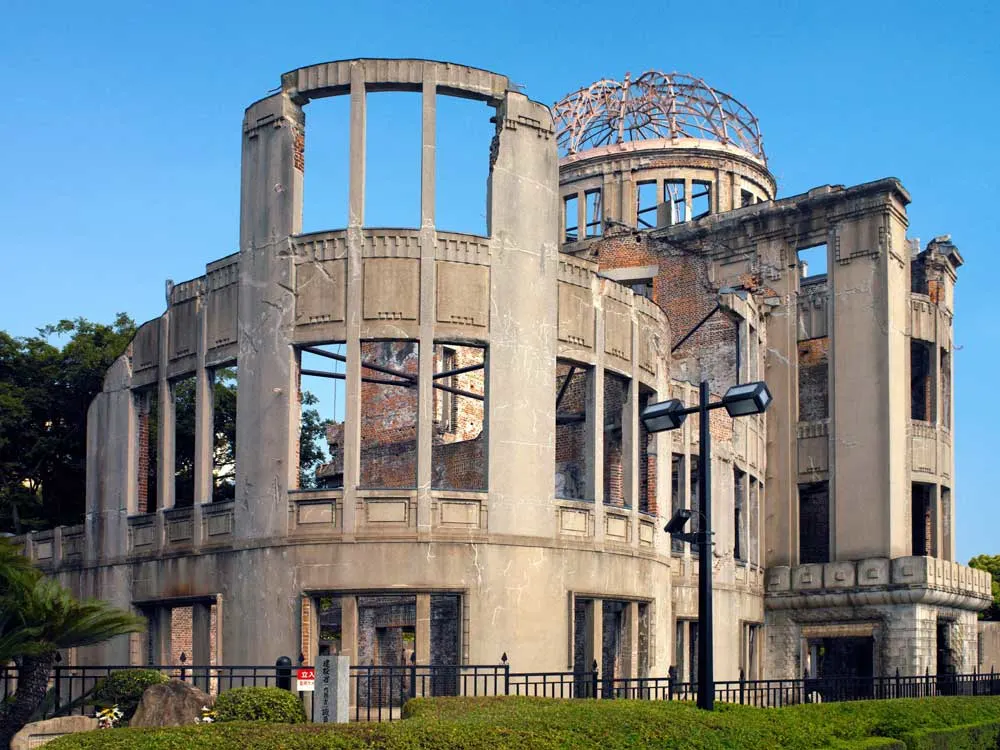
Known to most as the site of an awful tragedy, Hiroshima is a monument to the happenings of the past that boasts a new and lively façade to discover. The name of the city is usually linked to the unfortunate events of WWII, when on August 6th, 1945, an explosion of an atomic bomb took thousands of lives and forever changed the course of the city’s history.
Visitors to Hiroshima can get better acquainted with its history by visiting the Peace Memorial Museum, the Atomic Bomb Dome, or the Hiroshima National Peace Memorial Hall.
However, the significance of these events is not the only thing worth paying attention to while in the city. Make sure to also visit its other points of interest, such as the Itsukushima Shrine, the Hiroshima Castle, the Toyokuni Shrine, and the Shukkeien Garden. Another excellent idea is to visit the islands of the Seto Inland Sea, which you can reach after crossing the impressive Shimanami Kaido bridge.
Kitakyushu
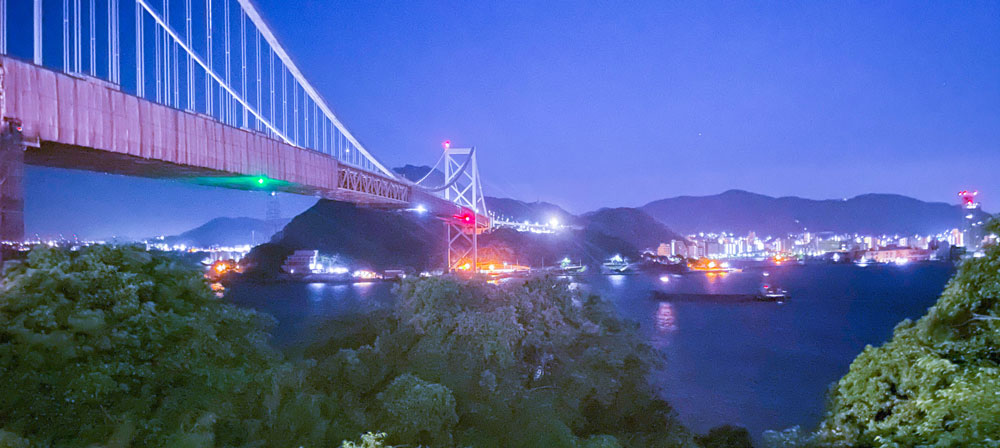
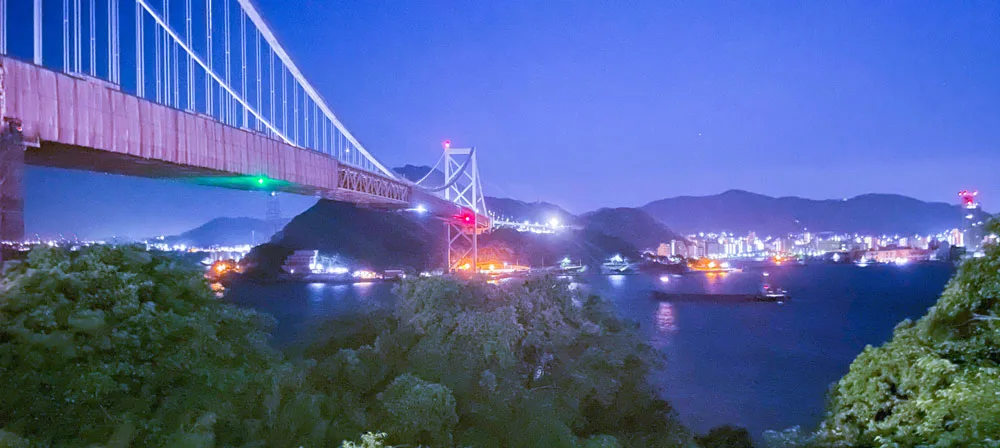
The final stop on this journey is the city of Kitakyushu, located on the northernmost point of Kyushu Island. Brimming with authentic sites and experiences to enjoy, it is undoubtedly a must-visit destination while in the area.
Familiarize yourself with its impressive features while exploring the one-of-a-kind Kawachi Fujian Wisteria Garden, touring the unique Mojiko Retro area, or soaking up the views from the tower of the Kokura Castle. Another great way to get acquainted with the city, as well as the unparalleled Japanese culture, is by visiting various museums, such as the TOTO Museum and the Manga Museum in Kitakyushu.
Japan is undeniably one of the most exceptional travel destinations in the world. With so many points of interest and hidden gems to unveil, it might be difficult to tour them all; however, taking the train ensures fast, safe, and comfortable travel wherever in the country you decide to go. Start working on your dream tour on the Japanese Trains and embark on a train ride to remember.
Train Travel in Japan FAQ
Is train travel in Japan easy for tourists?
Yes, train travel in Japan is considered one of the easiest and most efficient ways to explore the country. Trains are clean, safe, reliable, and usually run exactly on time. Major stations also have English signs, making navigation much simpler for international visitors.
What is the famous bullet train in Japan?
Japan’s famous bullet train is called the Shinkansen. These high-speed trains connect major cities across the country and can travel at speeds of over 300 km/h. Riding the Shinkansen is one of the best travel experiences in Japan.
Is the Japan Rail Pass worth it?
The Japan Rail Pass can be worth it if you plan to travel long distances between multiple cities such as Tokyo, Kyoto, Osaka, and Hiroshima. It allows unlimited travel on many JR trains, including most Shinkansen services, for a set number of days.
Can tourists buy train tickets in Japan easily?
Yes, tourists can buy train tickets at station ticket machines, ticket counters, or online. Many ticket machines have English language options. Larger stations also have staff who can help international travelers.
Do Japanese trains run on time?
Japanese trains are famous for being extremely punctual. Delays are usually very rare and often only last a few minutes. Even small delays are often announced with apologies to passengers.
What is the best way to travel between cities in Japan?
The Shinkansen is usually the best and fastest way to travel between major cities in Japan. It is comfortable, efficient, and offers beautiful views along the journey, including views of Mount Fuji on some routes.
Can you eat on trains in Japan?
Yes, eating is generally allowed on long-distance trains like the Shinkansen. Many travelers buy bento boxes, snacks, and drinks before boarding. However, eating on crowded local commuter trains is usually discouraged.
Are trains in Japan expensive?
Train travel in Japan can be expensive compared to some countries, especially high-speed rail. However, the service quality, speed, and convenience are excellent. Rail passes and regional travel passes can help reduce costs.
Things to Know Before You Go to Japan
Stay Creative!
Thank you for your support and love for Creative Travel Guide. If you are looking for more video tips, make sure to head over to your YouTube channel and follow us on Instagram for daily tips and chats.
Share any questions or comments below and happy creative travels!
Tips for Visiting Japan for the First Time (2025) - Creative Travel Guide
Friday 7th of February 2025
[…] planning to visit multiple cities, the Japan Rail Pass is a great investment for those wanting to train travel in Japan. This pass offers unlimited travel on Japan Rail trains, including the famous Shinkansen (bullet […]