
Experience the magic of Tuscany in the winter, when quiet hilltop villages, cozy trattorias, and misty vineyards replace the summer crowds.
Tuscany has a remarkable ability to slip into an equally beautiful dress regardless of the season. Be it spring, summer, autumn, or winter, the Italian region with the heart-stopping landscape, the idyllic medieval villages, the imposing Renaissance art hubs, historical towns, and UNESCO World Heritage sites dazzles no matter what. And, although winter is a dead season for many tourist destinations, this is merely the case with Tuscany in the Winter, especially if you appreciate art and history.
Tuscany in the Winter
Winter Weather in Tuscany
Winter in Tuscany is generally mild compared to many parts of Europe, though temperatures can still feel chilly, especially in the countryside. From December to February, average daytime temperatures usually range between 5°C and 12°C (41°F–54°F), with colder mornings and evenings.
Cities such as Florence and Siena (both need to be on your Italy bucket list) often experience crisp, clear days with occasional rain, while hill towns may feel cooler due to elevation. This is one of the most romantic wedding destinations in Europe, so visiting in Winter can be a great time for couples eloping on a budget.
Snow is relatively rare in the major cities but can occasionally fall in higher areas of the Tuscan countryside. You may also see misty mornings across vineyards and rolling hills, which creates a beautiful and atmospheric landscape for winter travellers.
Is Winter a Good Time to Visit Tuscany?
Tuscany in the Winter can actually be a fantastic time to visit Tuscany if you prefer quieter travel experiences. During the summer, popular destinations such as Florence, San Gimignano, and Pisa can become extremely crowded with tourists.
In winter, however, visitor numbers drop significantly, allowing you to explore famous attractions at a much more relaxed pace. Accommodation prices are often lower, restaurants are easier to book, and museums are far less busy.
The only downsides are shorter daylight hours and the possibility of rainy days, but if you’re looking for a peaceful and authentic Italian getaway, Tuscany in the Winter can be a wonderful choice.
Things to do in Tuscany in the Winter
1. Palazzo Strozzi
This is not a museum per se, rather than a venue hosting noteworthy exhibitions. You have the chance to admire artworks in any shape or form, signed by both contemporary and Renaissance artists (local and international).
Providing a thrilling mix of culture and beauty, the exhibits at Palazzo Strozzi epitomise the cultural significance of Italy and its contribution to art, in general. Before you leave, do make sure you visit the thematic exhibitions hosted at the Strozzina Centre for Contemporary Culture. It’ll certainly deserve the time spent there.
2. Museo Novecento
Those interested in modern Italian art will find Museo Novecento utterly exciting. Situated in Santa Maria Novella Square at the premises of a former 13th-century hospital (aka Spedale di San Paolo), the museum impresses with more than 300 works of 20th-century Italian art spread over to 15 different compartments. Among others, you can also find a glorious hall of conferences, a drawing cabinet, and a charming study room.
3. Pecci Centre for Contemporary Art
After undergoing extensive renovation works to embrace a more futuristic appearance, Pecci Centre for Contemporary Art opened its doors to the public again in 2016.
The Prato-located museum now greets art enthusiasts with a humongous collection of more than 1000 masterpieces created in the past 70 years. Besides the permanent exhibitions, though, Centro Pecci also welcomes temporary ones occasionally.
4. Palazzo Blu
Except for the outstanding and globally renowned Leaning Tower, Pisa is also the place that holds 16th-century Palazzo Blu dearly in its lap.
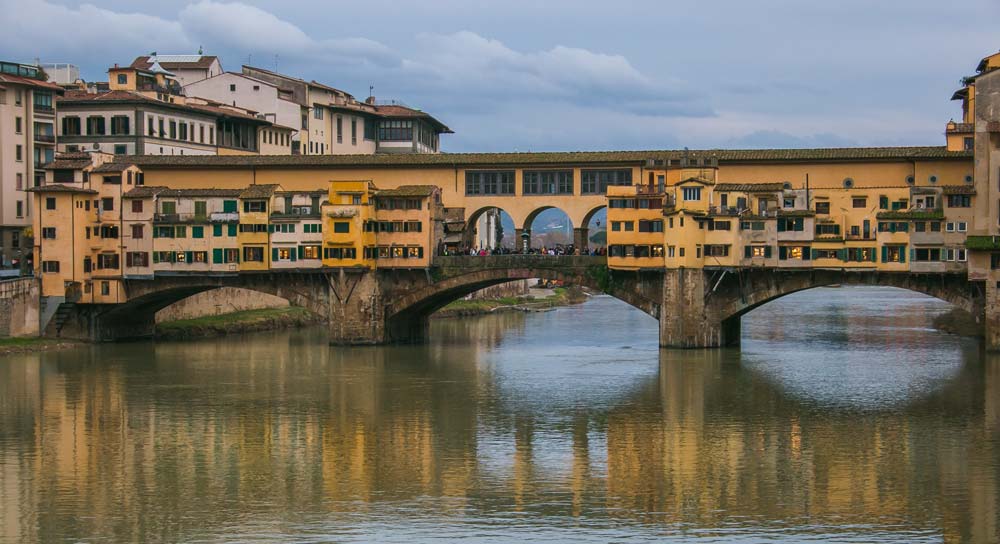
We are talking about a venue sitting in the very heart of the city’s historical centre in the ancient Palazzo Giuli Rosselmini Gualandi, offering artworks of modern, classical, and other art styles in temporary exhibitions. Also, due to its prestigious location (on the banks of the Arno River), Palazzo Blu is, rightfully, a superb option for various cultural events that promise to offer spellbinding experiences.
And, if all these are not good enough reasons to make you visit this unique spot in the Tuscany region, the story behind its name will certainly tantalise you. If you make the effort and head to Palazzo Blu, you will notice its bluish exterior walls. This was recently uncovered after some restoration works that took place relatively recently and is believed to be the aftermath of the Russian occupation in the 18th century.
5. Gallerie Degli Uffizi
This is perhaps the most popular museum in Tuscany and one of the most-visited tourist attractions year-round, regardless of whether you are an arts lover or not.
A cradle of Italian Renaissance, it dazzles with its refined collections signed by masters such as Leonardo Da Vinci, Michelangelo, Titan, and Botticelli. No wonder it’s regarded as one of the world’s most significant places where art is worshiped in such a profound way.
Within its premises, one can admire masterpieces of Western art, as well as various exhibitions running throughout the year. In fact, the gallery’s collection has been recently enriched with three more precious works of art, purchased by the Friends of the Uffizi Gallery who donated them to the museum.
6. Torture Museum
Those seeking an alternative museum experience can certainly consider visiting Torture Museum in San Gimignano. It showcases more than 100 different criminal and medieval torture instruments, created to cause pain and even lead to death.
Among the most well-known ones are the Chastity Belt, the Interrogation Chair, the Rack, the Guillotine, and the Iron Maiden. This unique and somewhat eerie museum also includes words and images related to torture while exhibiting extremely rare pieces dating to the Medieval age (16th, 17th, and 18th century).
Along with its collections, you will also come across philological reconstructions of lost and ancient torture tools, as well as refined (yet lesser known) instruments, so nothing relevant is missed.
In fact, this is the first time ever such exhibits have become the exclusive pole of attraction for a museum. As you will realize yourself, man’s imagination and intelligence has no limits and, sadly, even touches unprecedented pain-provoking levels.
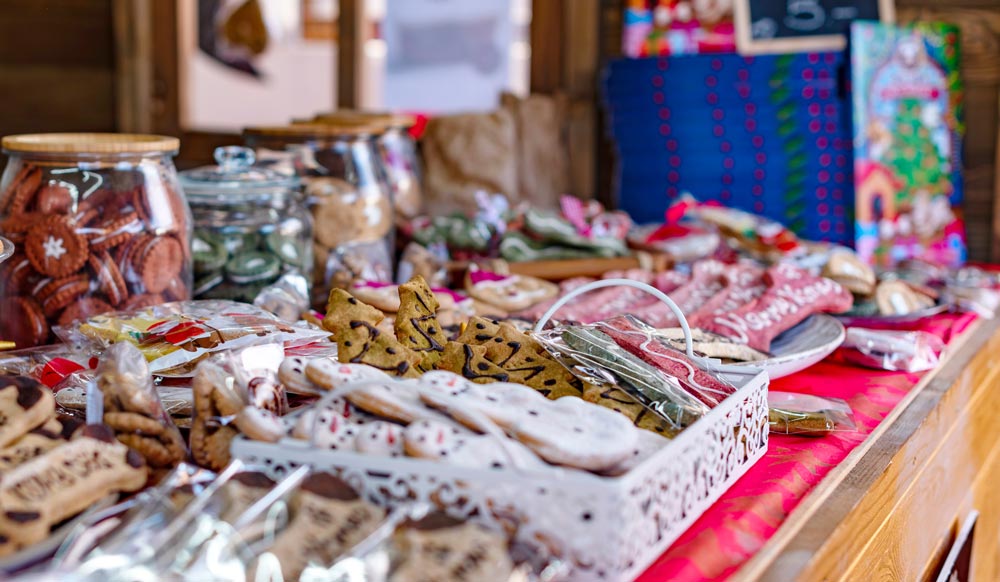
7. Experience Festive Christmas Markets
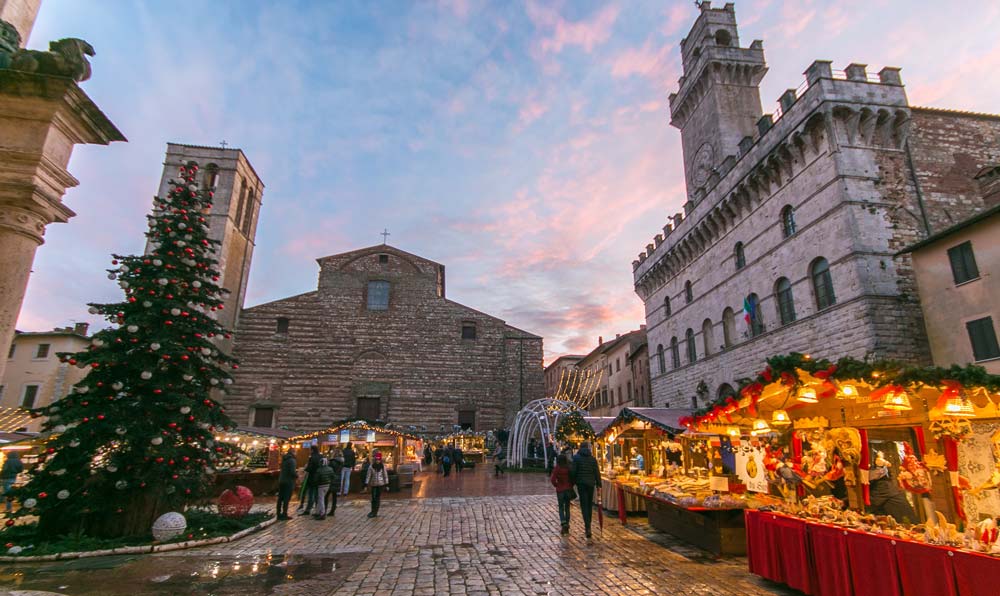
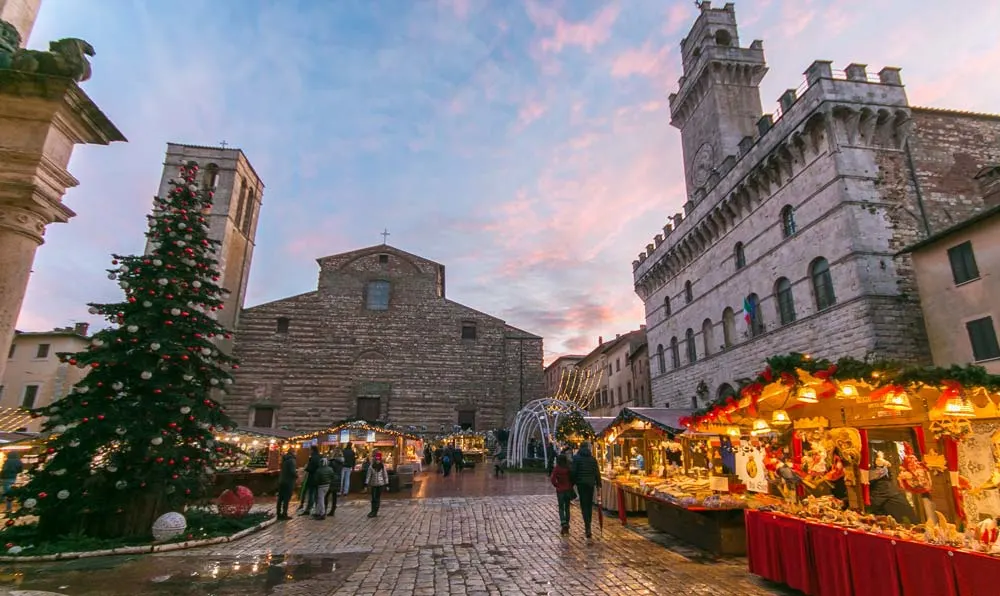
If you visit in December, Tuscany in the Winter comes alive with festive markets and holiday celebrations; it is one of the best places to experience Christmas in Europe. One of the most famous is the Christmas market in Arezzo, often called the largest Tyrolean-style Christmas market in Italy.
You’ll find wooden stalls selling handmade gifts, festive decorations, mulled wine, and delicious seasonal treats. Markets also appear in cities like Florence, where lights, music, and seasonal food create a magical winter atmosphere across the historic squares.
8. Relax in Tuscany’s Natural Hot Springs
One of the most unique winter experiences in Tuscany is soaking in the region’s natural hot springs; it is also one of the more romantic things to do in Italy. The steaming thermal waters at Cascate del Mulino near Saturnia are especially magical in colder months, when warm mineral water contrasts with the crisp winter air.
Another beautiful spot is Bagno Vignoni, where thermal waters have been used for relaxation since Roman times. It’s the perfect way to unwind after a day of exploring Tuscany’s countryside.
9. Enjoy Tuscany’s Famous Wine Regions
Winter is a fantastic time to experience Tuscany’s legendary wine culture. The countryside may be quieter, but wineries in regions like Chianti and Montalcino remain open for tastings and tours.
Visiting Tuscany in the Winter, you can sample world-famous wines such as Chianti Classico and Brunello di Montalcino while learning about the region’s centuries-old winemaking traditions. Many vineyards offer intimate tastings during winter, making it a perfect season for a relaxed and authentic wine experience.
10. Visit the Leaning Tower in Pisa Without the Summer Crowds
Tuscany in the Winter is one of the best times to visit the iconic Leaning Tower of Pisa. During the busy summer months, the Piazza dei Miracoli can be packed with tourists lining up to take the classic “holding up the tower” photo. In winter, however, the crowds are much smaller, giving you the chance to explore the square at a more relaxed pace.
You can climb the tower for panoramic views across Pisa, admire the impressive Pisa Cathedral, and wander the surrounding streets without the usual rush. The crisp winter light also makes this one of the best times of year for photography, with fewer people in your shots and a more peaceful atmosphere around one of Italy’s most famous landmarks.
Tuscany Winter Festivals and Events
- Arezzo Christmas Market
One of the most famous Tuscany in the Winter events is the large Tyrolean-style Christmas market held in Arezzo. Wooden stalls fill the main square selling handmade gifts, festive decorations, mulled wine, and traditional European Christmas treats. The market usually runs from mid-November through December and creates a magical festive atmosphere in the historic town. - Christmas Markets in Florence
Florence hosts several Christmas markets, including the popular German-style market in Piazza Santa Croce. Visitors can browse stalls selling crafts, ornaments, sweets, and seasonal foods while enjoying festive lights and holiday music throughout the city’s historic squares. - Cavalcade of the Magi (Epiphany Festival)
Every January 6th, Florence celebrates Epiphany with the historic Cavalcade of the Magi parade. Locals dress in elaborate Renaissance costumes and parade through the city streets in a colourful procession that recreates a historic Florentine tradition dating back hundreds of years. - Winter Food Festivals
Many Tuscan towns host seasonal food festivals during winter celebrating local specialties such as truffles, chestnuts, and traditional soups during Tuscany in the Winter. These events are a great opportunity to taste authentic regional cuisine and experience local culture.
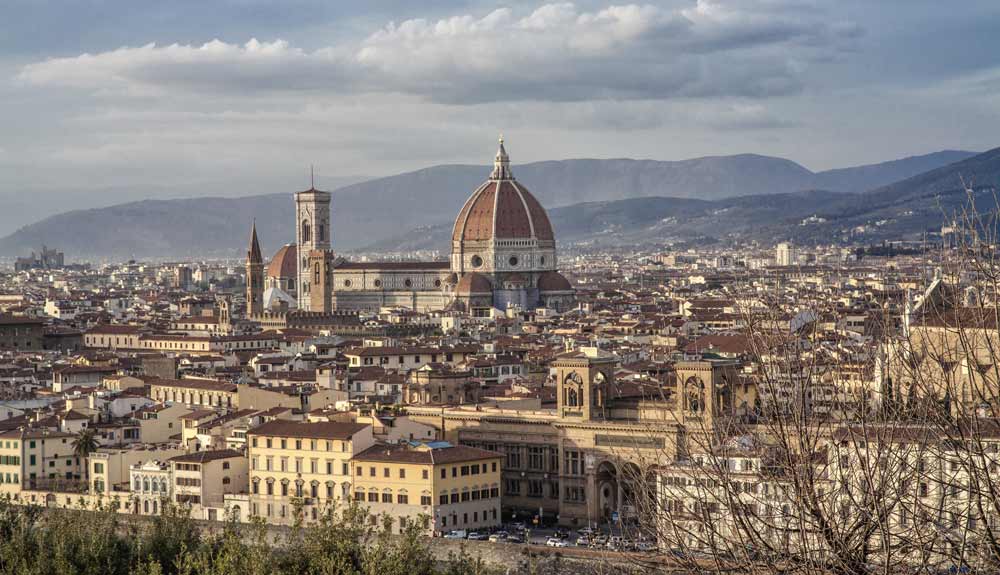
What to Pack for Tuscany in the Winter
- Warm Layers
Winter temperatures in Tuscany can change throughout the day, so packing layers is essential. Sweaters, long-sleeve shirts, and thermal tops allow you to stay comfortable whether you’re sightseeing outdoors or relaxing inside a café.
- A Warm Coat or Jacket
Even though Tuscany is milder than many European destinations, evenings and early mornings can feel quite cold. A warm coat or insulated jacket will make exploring cities like Siena or Florence much more comfortable.
- Comfortable Walking Shoes
Tuscany’s historic towns are known for cobbled streets and steep hills. Comfortable, sturdy walking shoes are essential when exploring hill towns such as Montepulciano or San Gimignano.
- Scarf, Gloves, and Hat
These small accessories can make a big difference on colder days, especially if you plan to spend time outdoors sightseeing or visiting scenic viewpoints across the Tuscan countryside.
- Rain Jacket or Umbrella
Winter in Tuscany can occasionally bring rainy days, so packing a waterproof jacket or compact travel umbrella is a smart idea.
Where to Stay in Tuscany in Winter
- City Hotels in Florence
Florence is one of the best places to base yourself during winter as most museums, restaurants, and attractions remain open year-round. Staying in the city allows you to easily explore famous landmarks, enjoy Tuscan cuisine, and experience the festive winter atmosphere; all the must’s on your Florence bucket list. - Boutique Hotels in Hill Towns
Staying in smaller historic towns such as San Gimignano or Montepulciano can be a magical winter experience. Many boutique hotels are located inside centuries-old buildings and offer incredible views across the peaceful winter countryside. - Countryside Agriturismos
For a quieter escape, consider staying at a traditional agriturismo in rural Tuscany. These farm stays offer comfortable accommodation, local food, and beautiful scenery, making them perfect for travellers who want a relaxing countryside experience. - Historic Apartments and Villas
Renting an apartment or small villa can be a great option for longer winter stays. It provides more space and the chance to enjoy cozy evenings cooking Tuscan dishes while overlooking vineyards and rolling hills.
Things to Know Before you go to Tuscany
Tuscany in Winter FAQ
Is Tuscany worth visiting in winter?
Yes, Tuscany in winter is well worth visiting if you enjoy fewer crowds, lower travel prices, and a more relaxed atmosphere in cities like Florence and Siena.
Does it snow in Tuscany in winter?
Snow is uncommon in major cities but can occasionally occur in higher hill towns and rural areas of Tuscany.
Are attractions open in Tuscany during winter?
Most major attractions, museums, and landmarks remain open year-round, especially in popular destinations such as Florence and Pisa.
Is Tuscany cheaper in winter?
Yes, winter is generally considered the off-season, meaning you can often find lower prices on hotels and flights compared to the busy summer months.
How many days do you need in Tuscany in winter?
A typical trip to Tuscany lasts 3–5 days, giving you enough time to explore Florence, visit a few hill towns, and enjoy the region’s famous food and wine.
Stay Creative!
Thank you for your support and love for Creative Travel Guide. If you are looking for more video tips, make sure to head over to your YouTube channel and follow us on Instagram for daily tips and chats.
Share any questions or comments below and happy creative travels!
Ultimate Florence Bucket List (2026) - Creative Travel Guide
Monday 6th of April 2026
[…] or Chianti for wine-tasting tours. These excursions offer a glimpse into the diverse beauty of Tuscany beyond the […]
Romantic Things to Do in Italy - Creative Travel Guide
Monday 6th of April 2026
[…] in Tuscany invite slow conversations over regional wine, with starlit skies as your backdrop and Tuscany in the Winter is a magical time to explore the local wines […]
Best Cities in Italy to Visit - Creative Travel Guide
Wednesday 11th of March 2026
[…] to discover more of the region’s beauty and heritage. This is a great way to explore Tuscany in the Winter […]
Tuscany Road Trip — From Tuscany to Umbria region — sefati
Saturday 9th of December 2023
[…] overnight and go early or late in the afternoon to avoid the crowds. If you’re planning to visit Tuscany in winter, Siena is still a lovely option! Check where to stay in […]
Tuscany Road Trip - From Tuscany to Umbria region - Life in Italy
Thursday 27th of January 2022
[…] and go early or late in the afternoon to avoid the crowds. If you’re planning to visit Tuscany in winter, Siena is still a lovely […]