


Volunteering in Cape Town can be an exciting and education experience; from classroom days to weekends exploring, we share a full guide.
From vibrant townships and community centres to marine conservation hubs and wildlife sanctuaries, Cape Town hosts a wide range of ethical and impactful volunteer projects for all interests and skillsets.
Whether you’re supporting education programmes, assisting with animal rescue, empowering local communities, or helping protect the region’s unique ecosystems, volunteering here allows you to connect deeply with local people and learn about the ongoing social and environmental challenges the city faces.
In this post, we cover the different options for those wanting to become a volunteer in Cape Town and we interview Anna-Maia. She tells us about her experience volunteering in Cape Town, South Africa, including how to move to South Africa & prices in Cape Town.
Volunteering in Cape Town
Why volunteer in Cape Town?
Volunteering in Cape Town (one of the best places to visit in Africa) allows you to make a meaningful impact in a destination known for both its breathtaking beauty and complex social challenges.
The city offers a unique opportunity to support communities still navigating the effects of inequality, contribute to conservation efforts protecting South Africa’s iconic wildlife, and develop new skills in a multicultural environment.
Beyond the rewarding work, volunteers get to experience Cape Town’s vibrant food scene, stunning coastline, and diverse neighbourhoods, creating a balance of purposeful travel and unforgettable exploration.

Cape Town Volunteer Projects
Cape Town offers a wide variety of impactful volunteering in Cape Town options, including:
- Community development projects such as teaching support, childcare, after-school programmes, and women’s empowerment initiatives.
- Sports and youth programmes where volunteers help run coaching sessions, mentoring activities, and creative workshops.
- Environmental and conservation roles focused on marine rescue, penguin rehabilitation, sustainable gardening, and beach clean-ups.
- Wildlife conservation projects in nearby reserves, assisting with monitoring, habitat maintenance, and animal care.
- Healthcare and outreach programmes for those with relevant skills, supporting local clinics, public health initiatives, and community education.
- Specialist placements for volunteers with experience in social work, early childhood development, or environmental science.
Who is suitable to be volunteering in Cape Town?
Cape Town welcomes a wide range of volunteers, including:
- Gap-year students and young travellers looking for cultural immersion and hands-on experience.
- Professionals and career-break volunteers who want to contribute their skills to meaningful projects.
- Retirees interested in giving back and engaging with community or conservation work.
- Families who want to join inclusive, educational programmes that cater to different ages.
- Those with or without prior experience, as most projects provide training and guidance.
- People who are open-minded, respectful, and adaptable, as volunteering requires cultural sensitivity and a positive attitude.

Pros of Volunteering in Cape Town
- Meaningful impact: When volunteering in Cape Town, you can support essential community, education, and conservation efforts where extra help is genuinely needed.
- Diverse project options: From wildlife rescue to township education programmes, Cape Town offers opportunities for a wide range of interests and skills. This is also one of the best countries for Safari too!
- Cultural immersion: Volunteers engage closely with local communities, gaining insight into South African culture, history, and daily life.
- Skill development: Projects help build teamwork, leadership, teaching, communication, and problem-solving skills—useful for both personal and career growth.
- Stunning surroundings: Volunteers get to explore Table Mountain, beautiful beaches, nature reserves, and Cape Town’s vibrant city life during their free time.
- Supportive volunteer networks: Many reputable organisations offer structured programmes, orientation, and on-the-ground guidance for new volunteers.
Cons of Volunteering in Cape Town
- Costs can be high: Programme fees, accommodation, and travel expenses can add up, especially for longer stays.
- Emotional challenges: Volunteers may encounter poverty, inequality, or difficult community situations that can be emotionally demanding.
- Safety considerations: Certain areas require caution, and volunteers need to follow safety guidelines and avoid high-risk neighbourhoods.
- Cultural adjustment: Differences in communication styles, work pace, and local customs may take time to adapt to.
- Limited placements for short stays: Some meaningful projects require longer commitments, which may not suit travellers on tight schedules.
- Potential for unethical projects: Not all organisations operate responsibly, so volunteers must research thoroughly to ensure they choose an ethical programme.

Costs of Volunteering in Cape Town
Programme fees:
- Community projects: roughly $250–$400 per week
- Conservation or wildlife projects: $400–$800 per week
- Specialist placements (teaching, healthcare): $500–$900 per week
- Fees usually cover accommodation, meals, training, and support
Accommodation:
- Volunteer houses or shared apartments: $150–$300 per week
- Hostels or budget guesthouses: $100–$200 per week
- Private rentals or homestays: $250+ per week
Meals:
- Some programmes include 2–3 meals daily
- Self-catering or eating out: $5–$15 per meal at local restaurants
Transport:
- Public transport (minibus taxis, buses): $2–$5 per trip
- Uber or taxis for safety and convenience: $5–$20 per ride
- Some organisations provide transport to and from the project
Flights and visas:
- Round-trip flights to Cape Town vary by origin; book in advance for best deals
- Tourist visa may be required depending on your nationality
Insurance and health:
- Travel insurance: $30–$50 per week
- Optional vaccinations or medications (consult your doctor)
Personal expenses & activities:
- Sightseeing, weekend trips, and social activities: $50–$150 per week
- Budgeting extra for excursions like Table Mountain, Cape Point, or wine tours
How to Stay Safe in Cape Town
Volunteering in Cape Town is an incredible experience, but like any major city, it’s important to take safety precautions to protect yourself and your belongings. Here are key tips for staying safe:
- Research your neighbourhood: Some areas have higher crime rates than others. Stick to well-known, central areas for accommodation and avoid risky neighbourhoods, especially after dark.
- Use reliable transport: Prefer Uber, registered taxis, or transport provided by your volunteer organisation. Avoid walking alone at night, particularly in unfamiliar areas.
- Stay alert in public spaces: Keep valuables like passports, phones, and wallets secure. Don’t display expensive electronics or large amounts of cash.
- Follow project guidelines: Reputable volunteer programmes provide safety rules for project sites. Always follow instructions, especially when working in community or rural areas.
- Blend in and respect local customs: Dress modestly where appropriate, be polite, and observe local cultural norms to avoid unwanted attention.
- Travel in groups when possible: Whether exploring the city or heading to a project, there’s safety in numbers.
- Have emergency contacts ready: Keep the contact details of your volunteer organisation, local authorities, and embassy or consulate on hand.
- Be cautious online: Avoid sharing your exact location publicly on social media while volunteering.
By planning ahead, staying aware of your surroundings, and following common-sense precautions, you can enjoy a safe and rewarding volunteering experience in Cape Town.
A Day in the Life of a Cape Town Volunteer
Volunteering in Cape Town offers a unique mix of meaningful work, cultural immersion, and adventure. While each programme varies, a typical day often follows a structured yet flexible schedule:
- Morning: Most volunteers start the day early, enjoying breakfast at their volunteer house or accommodation. They then head to their placement, whether that’s a community centre, school, wildlife reserve, or environmental project. Morning activities often include hands-on tasks such as teaching, assisting with after-school programmes, caring for animals, or helping with conservation work.
- Midday: Lunch breaks give volunteers a chance to rest, socialize with fellow volunteers, and reflect on their morning tasks. Many organisations provide meals, but some allow free time to explore nearby cafés or local markets.
- Afternoon: Work continues with project-specific tasks. This might involve preparing lessons, conducting educational activities, participating in wildlife monitoring, or assisting with practical conservation work. Volunteers often collaborate closely with local staff, learning new skills and gaining insights into the community or environment they are helping.
- Evening: After returning from their placement, volunteers usually have free time to relax, cook, or explore Cape Town. Evenings might include group dinners, cultural events, or trips to nearby attractions like Table Mountain, the V&A Waterfront, or local beaches. Many volunteers also use this time to reflect on their experiences and connect with fellow participants.
- Weekends: Volunteers often have weekends off, which provides an opportunity to take short trips outside the city, explore the Cape Winelands, visit Cape Point, or enjoy outdoor adventures like hiking, surfing, and wildlife excursions.
Volunteering in Cape Town combines productive work with personal growth, cultural exchange, and unforgettable experiences, offering a truly immersive way to give back while exploring one of South Africa’s most iconic cities.
How to Choose an Ethical Volunteer Program
Choosing an ethical volunteering in Cape Town program is essential to ensure your time, money, and effort create a real, positive impact. Not all volunteer projects operate responsibly, so careful research and planning are key. Here’s how to make the right choice:
- Research the organisation: Look for volunteering in Cape Town programmes with a clear mission, transparent fee structures, and positive reviews from past volunteers. Check if they have local partnerships and operate legally within South Africa.
- Focus on community benefit: Ensure the project prioritises local needs rather than simply catering to tourists. Ethical programmes involve the community in decision-making and aim for long-term, sustainable outcomes.
- Avoid “voluntourism” traps: Be cautious of projects that rely heavily on unskilled foreign volunteers for work that could be done by local staff. Teaching or medical roles should only be taken if you have the proper qualifications.
- Check for proper supervision and training: Reputable programmes provide orientation, ongoing guidance, and clear expectations for volunteers, helping you contribute effectively and safely.
- Transparency in fees and costs: Ethical organisations clearly explain where fees go, covering accommodation, meals, training, and community support rather than generating profit from volunteers.
- Look for measurable impact: Ethical programmes often share success stories, community outcomes, or progress reports to show how volunteer efforts are making a difference.
By prioritising these factors, you can ensure your volunteering experience in Cape Town is both rewarding and responsible, leaving a positive legacy for the communities and projects you support.
An Interview with a Cape Town Volunteer
Tell us about your experience working abroad?
I worked abroad for two summers in a row in Cape Town, South Africa, where I volunteered with children in a township called Capricorn with an organization called Dreams to Reality (through International Volunteer HQ).
To this day, my almost four months total spent in South Africa remains the most incredible and most memorable months of my life. I fell in love with the beauty of this country, with its people, and with travel. To date, South Africa remains the one country that will always be the dearest time, and my biggest love in terms of travel.
I urge everyone to explore South Africa learn how to say hello in South Africa, to go in a way they can truly immerse themselves and live as a local.
South Africa opened a door for me, a door of travel, working abroad, and of passion. I hope that in this interview I can give you a little glimpse of life as a volunteer in South Africa and that it will ignite in you a bug to go and explore the world.
What type of volunteering in Cape Town were you doing in South Africa?
2014 was the first year I went to South Africa. I spent five weeks there in the Summer, where I worked at a childcare center in a township called Capricorn, in Muizenberg.
Each of us volunteers was assigned to a classroom, where we would help out the teacher. Some of the work I did included reading to the children; helping them out during class activities, such as crafts; setting up lunch hour; playing with them during playtime outside, and tidying up the classroom.
When I went back to South Africa the following summer, while I went with the same organization, I decided to do a different program — teaching. In this program, the volunteers are placed in different primary schools that children from Capricorn attend.
While the program is called ‘teaching’, we were not expected to teach classes; after all, we are not certified in education. Rather, we led the tutoring sessions with the different subjects that the students needed help with: from Mathematics to English, and Computing; education options for volunteering in Cape Town is popular.
We also helped with physical education classes, which was a lot of fun, as the children absolutely loved being outside playing sports.
During recess, we would hang out outside with the children, talking, playing and having fun with them. Because the kids were older than in the childcare program, you got to have meaningful conversations with them and get to know each of them, which was really nice and important to me.
How did you apply and interview for this type of role?
I applied through the International Volunteer HQ (IVHQ) website. IVHQ is a company based in New Zealand that offers different volunteering in Cape Town programs through local organizations in over 35 countries around the world.
It is quite simple to apply. All you need to do is to pick the country you would like to volunteer in and then fill out a questionnaire that asks to present yourself, your interest in the program and country, etc., basically a cover letter for IVHQ to get to know you better.
You also need to pay a registration fee, as well as provide a criminal background check once you arrive in the country. You should get an answer if you got accepted within a couple of business days.
Was the program expensive?
Compared to other volunteer programs, it wasn’t at all!
The first time I went, I spent four weeks there which equaled $675 USD + registration fees, and the second time I went I spent eight weeks there which equaled $1,175 USD + registration fees.
The costs cover accommodation, as well as two meals a day (lunch and breakfast), pick-up from the airport, and a certain amount of groceries every week, so it is more than affordable when volunteering in Cape Town.

What did a typical day in South Africa look like?
From Monday – Friday we had volunteered in the morning. The hours are different depending on the program: childcare starts at around 7:30 – 8:00 and finished at around 11:30 – 12:00.
Teaching starts around 8:30 – 9:00 and finishes at 1:30 – 2:00, and the other program that I didn’t try out was ‘surf outreach’, which starts at around 10:00, then you have a couple of hours break and then you go back after the children are let out of school for another couple of hours.
Once you are done with your volunteering hours, the day is all yours!
In the Cape Town location, there are six volunteer houses, and while you get to know the volunteers from all the houses, people tend to stick with their houses during the afternoons.
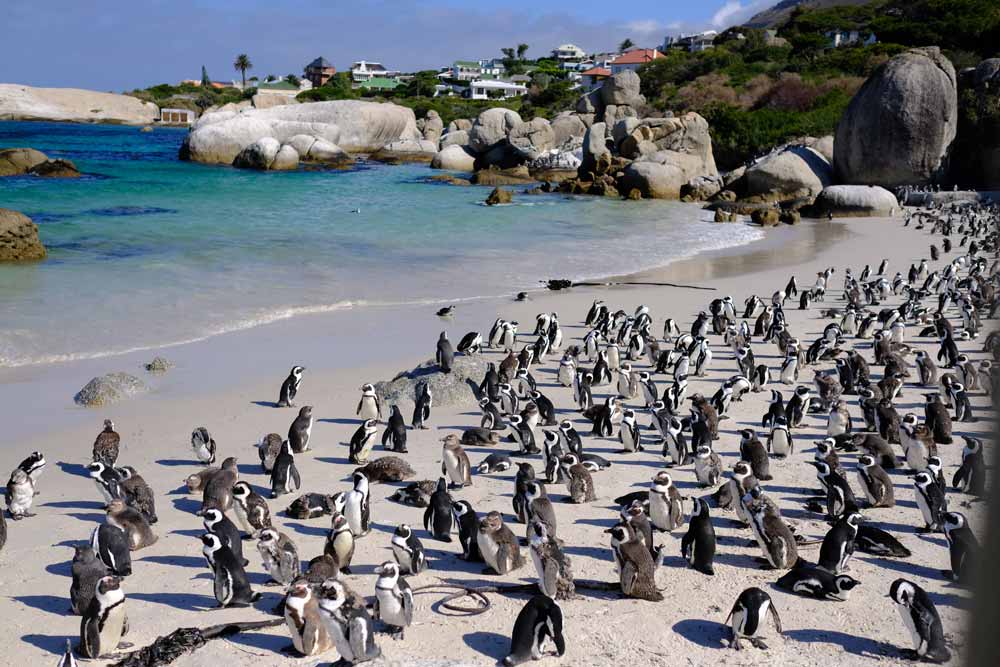
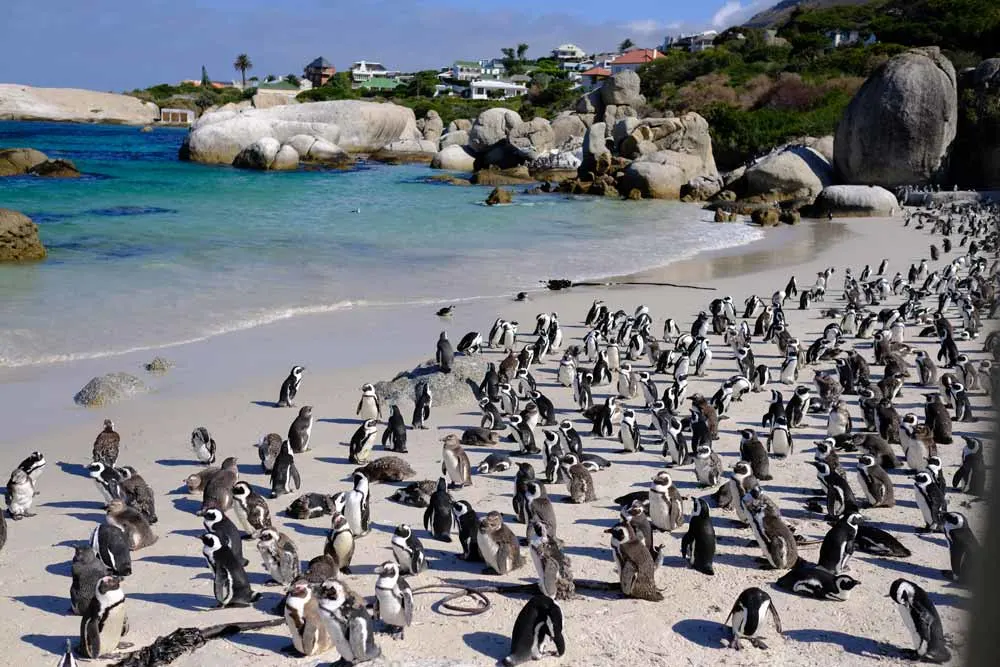
Activities that were common included going to the beach, surfing, going to coffee shops to grab a bite and get some WiFi, taking the train to a nearby town or into Cape Town, going into Simon’s Town by train to go see the penguins on the beach (yes, there are penguins in South Arica and you can get pretty close to them!) and so on.
Wednesday night and Friday nights were everyone’s favorite! Every Wednesday the volunteers head to Brass Bell, a karaoke bar where we all sing our heads off and have an amazing night!
Fridays, right in Muizenberg is held Friday Market, a market with a wide range of delicious foods sold by small vendors. It is such an amazing event where the volunteers from all the houses can come together, talk, laugh, and fill their bellies with amazing food!
On weekends, however, people usually had bigger activities planned. The most popular things that volunteers did were going on safaris, going on wine tours in Stellenbosch, going shark-cage diving, hiking Table Mountain or Lion’s Head, visiting Robben Island (Nelson Mandela’s former prison), visiting Kirstenbosch National Botanical Gardens, going to one of the dozens of markets around Cape Town, paragliding, abseiling, and so many more activities.
What were the highlights of volunteering in Cape Town?
There are so many highlights, but I’m going to try to narrow them down to a couple.
First and foremost, it was for me, the first time I lived abroad and traveled by myself to another country. During my time in South Africa for the first time, I came to discover this huge passion of mine: traveling.
I knew I liked traveling before, but I never saw it as something more than a two weeks vacation. However, that changed in South Africa, and I started seeing travel as something more, as something that I wanted to do for extended periods of time.
Volunteering in Cape Town ignited the travel bug within me, it opened a whole new world for me, which I am so grateful for three years later. My time spent there shaped these past three years: the way I went through university, my plans for the future, my aspirations, and my goals. South Africa changed me for the better, and that will always remain the most important thing that happened while there.
Secondly, volunteering in South Africa has allowed me to experience a different side of the country that I wouldn’t have, had I only been visiting. In total, I got to spend almost four months living in a South African city, enjoying the many African celebrations here.
I got to experience life as a local: waking up and going to a township, chilling on the beach with South African surfers, going to coffee shops, experiencing markets, etc., basically things that locals do. Not only did I experience life as a South African, but I also got to see the side of South Africa that not many tourists see: townships.
Most people who visit South Africa do the typical tourist things (which are awesome too), but never immerse themselves deeper. If they do visit a township it is through a tour. I got to go as a volunteer for months, I got to listen to my kids talk to me about their lives in the townships, and I got to go to two events I was invited to in the Capricorn townships.
The first was a church event, and the second was a birthday party. These things, you can only experience by getting to know the people and by immersing yourself within a culture, amongst the people. By volunteering, I got to do both things, and I am immensely grateful for the people that I met.
What was the hardest part about working abroad?
I am 100% honest when I state that I am very adaptable. I adapt to practically anything, and when I travel I never really get homesick. I personally did not experience any real hardships that I could talk about here. However, I can talk about something hard that happened when I went back the second time.
Let me explain.
The first time I went, as I said earlier, was life-changing: living abroad was something I’d never done before, I got to live with people my age in the same house who I deeply bonded with, and I got to get out of my comfort zone… basically, I had the time of my life. Because of how much I loved South Africa, I decided to go back the following summer.
For the first couple of weeks, I did what you should never do: I compared everything to the previous summer. I kept thinking, “this isn’t the same without so and so,” “last summer was more fun,” “last summer the people were better,” etc. So that was really hard at first: having the trip not meet my expectations.
However, as soon as I let go of the comparisons and the expectations, everything turned around: I got to know the people better, and I started truly enjoying every day.
So I think one of the hardest things about working abroad, volunteering in Cape Town, and traveling in general, is having things not meet our expectations. The hardest part is to let go of those expectations.
If you decide to work abroad I would advise you to go with the least amount of expectations, and don’t ever compare your experiences. Every experience is a time to grow, a new journey, and an important moment of your life. Take it as it is, and let go of everything else.
What are the 3 best things about volunteering in Cape Town?
The first thing that comes to mind is the people. I have met so many amazing people during my 3+ months living there that I miss dearly. From the townships to Cape Town, to the southern coast of Cape Town, and to the small town of Muizenberg, I have met some of the greatest people I have met to date.
Everyone I met was so friendly and nice; they would come up to you and want to know what you were doing in South Africa, and how long you were staying. You could spark conversations at any corner of the street with a stranger.
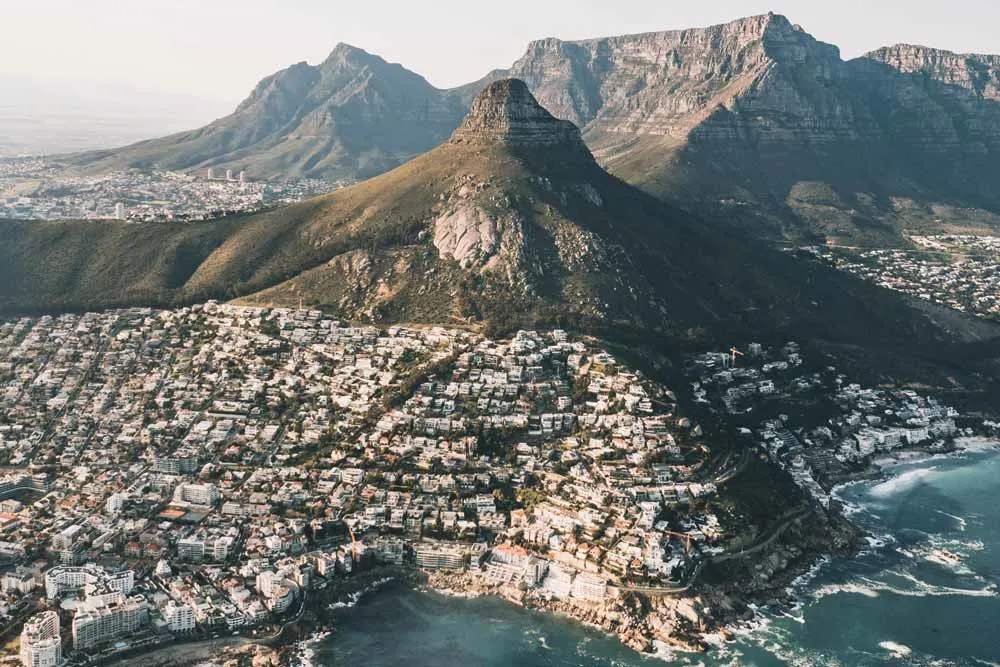
The second thing for me is how scenic and beautiful the country is; many of which should be on your South Africa bucket list. Wherever you are in the greater Cape Town region, you can see Table Mountain standing tall at the horizon. You can see its apostles kilometers upon kilometers. I discovered my love for mountains in South Africa.
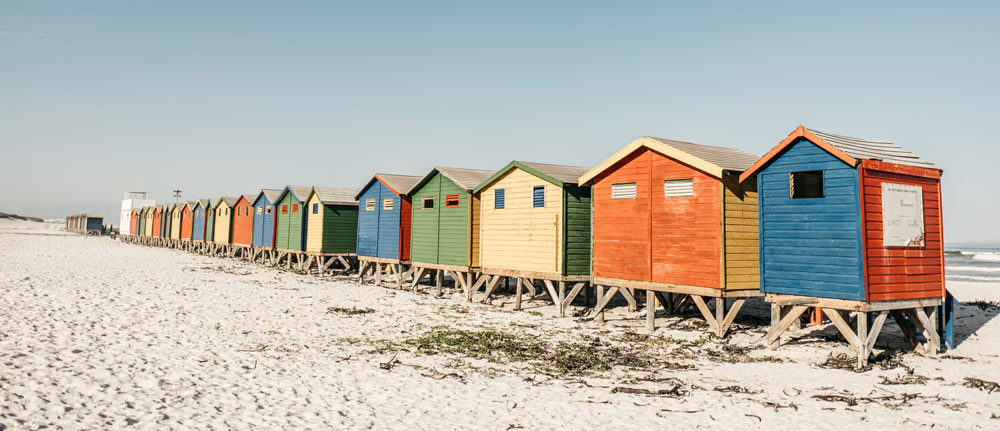
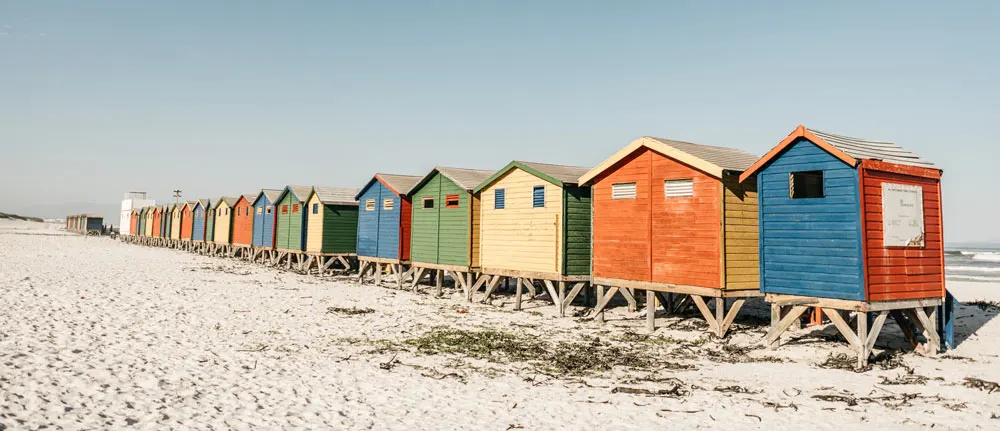
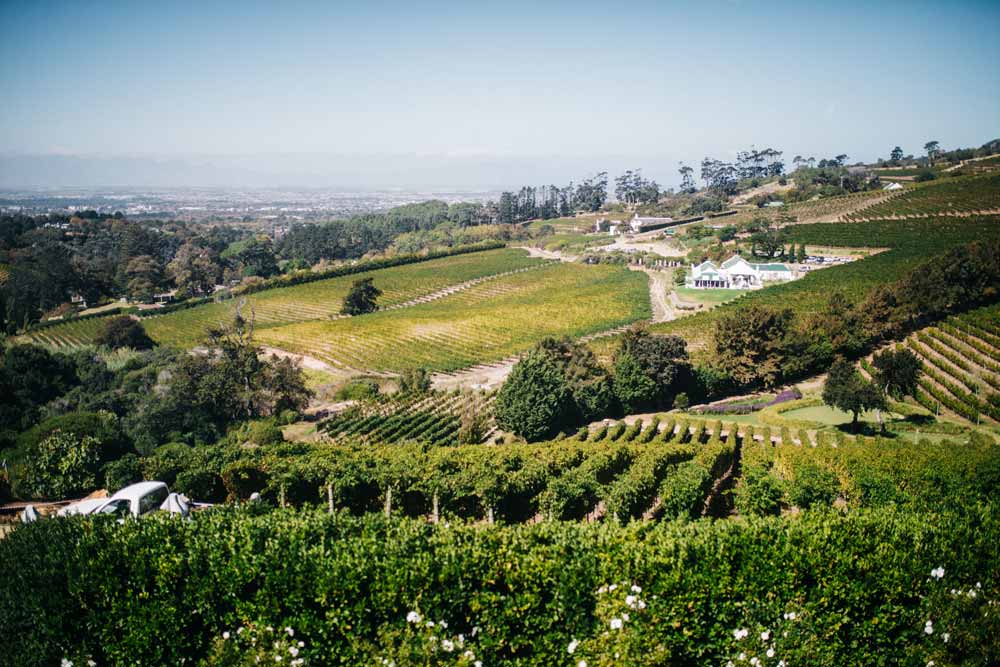
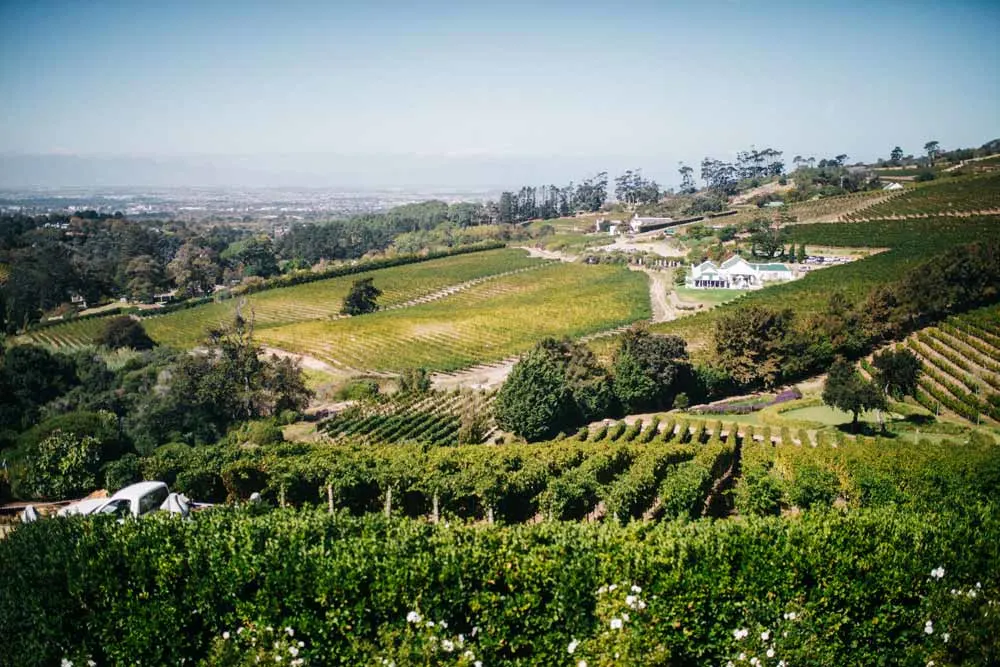
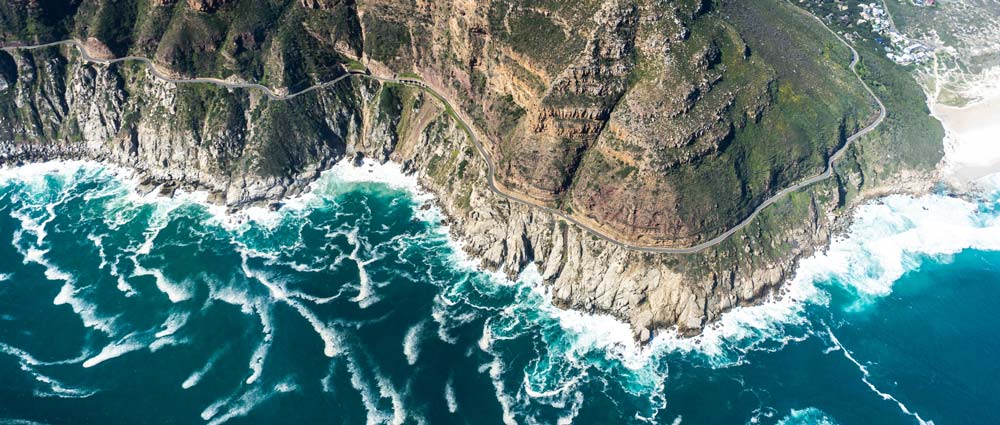
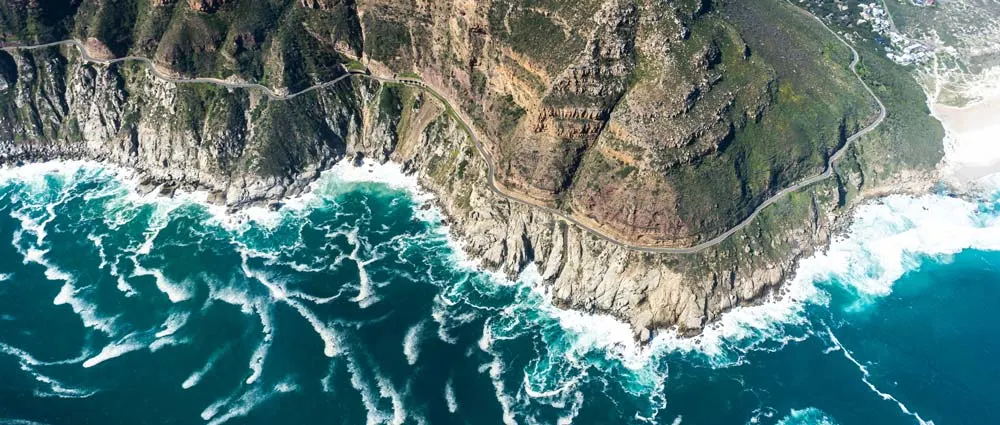
Everywhere you look in South Africa there is something beautiful to see: beaches, mountains, scenic roads, beautiful colorful houses, kilometers of wineries, the list goes on. The beauty this country has to offer is outstanding.
The third best thing is all the adventures and adrenaline-rushing activities available. You can skydive, bungee jump, go on safaris, paraglide, abseil, surf, etc. It is truly the place to be for people who love getting out of their comfort zones and experiencing the high of adrenaline.
What advice would you give to those visiting South Africa?
Take every opportunity, do everything and never hesitate.
Let me tell you a little story. The first time I went to South Africa I went on a safari tour (which includes multiple activities including a real safari), and one of the big activities was bungee jumping. I, however, is scared of roller coasters and the like, and refused to do it. I never even hesitate, my answer was a “no.” I couldn’t imagine myself jumping off a bridge only attached by the feet.
However, once back in Canada I slowly started regretting my choice. I kept seeing pictures and videos online of the people I was with who had bungee jumped.
The regret grew until I told myself I would do it once I was back the following summer. Fast forward to that summer, I went on a safari again and this time I jumped! I was more scared than I’d ever been before in my life, I was shaking and I even cried before! I couldn’t believe that I’d be jumping off the highest man-made bungee bridge in the world. But once I jumped, it was the most amazing thing I had done in my entire life. It felt so freeing and exhilarating to jump and fall through the air.
When I got up on the bridge again I couldn’t stop smiling from the adrenaline and kept saying I wanted to go again.
This moment in my life made me realize the truth behind the quote, “fear is temporary, regret is forever.” The fear I had before bungee jumping only lasted minutes, but the regret I felt after not bungee jumping lasted a whole year, and would’ve continued had I not ended up bungee jumping.
I believe that it is so important to get out of your comfort zone, and do those things that scare you: you will only grow after facing your fears, and you will feel so proud of yourself. So my one piece of advice is that, to face your fears and experience everything.
What advice would you give to those wanting to work or volunteer in South Africa?
My only advice is to go for as long as possible. Don’t think “oh maybe I’ll want to come back earlier,” because in 98% of the time that won’t be the case; instead, you will wish you could stay longer. I only met two people out of the hundreds of volunteers that I met in my almost four months there that went home early.
Everyone else either extended their trip (like me) or was balling their eyes out when leaving (also like me). You will not want to leave. You will grow attached to the country, to the volunteers, to the kids, to the locals. Leaving South Africa will be hard, so go for as long as you can.
Tell us about your plans for the future.
I just graduated from university, and now I am getting ready to travel full time. In September, I am leaving for Hawaii for six months. I will be volunteering (through workaway.org) at a yoga & meditation retreat on The Big Island. Afterward, I am going onward to Australia, where I will do a working holiday visa for two years.
From there I hope to continue traveling while building my online presence as a content creator on my Youtube channel Barefoot Traveller. I am also planning on starting a blog before leaving in September where I will be able to put into words my experience traveling. I want to work for myself while traveling full time.


Where do you see yourself in 5 years’ time?
In five years’ time, I see myself still traveling. I see myself being financially stable to be able to sustain a lifestyle on the road. Maybe I will have a home base somewhere in the world (maybe South Africa?). I see myself influencing people to travel and believe in their dreams through my online platform. I also see myself starting to work on my plan of opening a small, completely vegan, café/restaurant in a tropical place with my friend (shout out to my soul sista Saania!).
I want to combine my passions for travel, ethical living, veganism, and environmentally conscious living. In five years’ time, I want to be able to say that I have accomplished these things, that I am living my dreams, and that I am proud of where I am.
Things to Know before you go to Cape Town
Volunteering in Cape Town FAQ
Is Cape Town safe for volunteers?
Yes, but like any major city, certain areas require caution. Stick to reputable neighbourhoods, use trusted transport like Uber or taxis, and follow safety advice from your volunteer organisation.
Do I need prior experience to volunteer in Cape Town?
Most projects welcome volunteers of all experience levels. Some specialised roles (teaching, healthcare, conservation) may require relevant skills or qualifications.
How long can I volunteer for?
Programmes vary from 1 week to several months. Many meaningful placements prefer volunteers who can commit for at least 2–4 weeks.
Can families volunteer together?
Yes, many community and conservation projects offer family-friendly options that are safe and educational for children.
What are the typical costs of volunteering?
Programme fees usually cover accommodation, meals, and support. Expect to budget additionally for flights, visas, transport, insurance, and personal expenses. Costs can range from $250–$900 per week, depending on the programme.
When is the best time to volunteer in Cape Town?
Cape Town is ideal for volunteering year-round, but the summer months (November–March) offer warmer weather for outdoor projects. Wildlife-focused projects may have seasonal peaks.
What kind of projects can I join?
Options include: community development, education, childcare, environmental conservation, wildlife rehabilitation, healthcare, and outreach programmes.
Do I need a visa to volunteer?
Depending on your nationality, a tourist visa may be required. Check with the South African embassy or consulate before travelling.
Will I have free time to explore Cape Town?
Yes. Most programmes provide structured work hours while leaving evenings and weekends free to enjoy the city, Table Mountain, beaches, and nearby attractions.
How do I ensure I choose an ethical volunteer program?
Look for transparency in fees, clear goals that benefit the local community, proper supervision, and positive reviews from previous volunteers. Avoid organisations that rely on unskilled labour for profit.
Stay Creative!
Thank you for your support and love for Creative Travel Guide. If you are looking for more video tips, make sure to head over to your YouTube channel and follow us on Instagram for daily tips and chats.
Share any questions or comments below and happy creative travels!
South Africa Bucket List - Creative Travel Guide
Friday 31st of October 2025
[…] just south of Cape Town, Gansbaai is known as the great white shark capital of the world. This activity provides a safe and […]
Eco Travel USA Experiences and Adventures (2025) - Creative Travel Guide
Tuesday 17th of December 2024
[…] places beautiful for years to come. Whether you’re planting trees, rescuing sea turtles, or working with a local community, your efforts can make a real […]
35 WAYS TO MAKE MONEY WHILE TRAVELING • Creative Travel Guide
Friday 7th of August 2020
[…] There are lots of different ways you can volunteer abroad. You aren’t earning money most of the time but you are given free accommodation and food in return for your time. Read about how Natalie volunteered in Fiji, Ashley volunteered in Ecuador and Anna-Maia volunteered in Cape Town. […]
35 WAYS TO EARN MONEY WHILST YOU TRAVEL • Creative Travel Guide
Sunday 25th of February 2018
[…] There are lots of different ways you can volunteer abroad.You aren’t earning money most of the time but you are given free accommodation and food in return for your time. Read about how Natalie volunteered in Fiji, Ashley volunteered in Ecuador and Anna-Maia volunteered in Cape Town. […]