


Explore the best parks in Tokyo; from cherry-blossom gardens to vibrant urban green spaces, we share the best options that locals love.
Every March, I watch the same pattern repeat. Friends visiting from overseas message me excitedly about Ueno Park or Shinjuku Gyoen, already bracing for crowds because that is what every guide tells them to expect. By the time the first blossoms open, those parks are packed before 9 AM. I know, because I pass Ueno on my commute and see the blue tarps laid out days in advance.
I do not go there anymore. Most people I know do not. Cherry blossom season in Tokyo is something we live with, not something we plan a day around; it makes Tokyo one of the most beautiful cities in Japan.
Best Parks in Tokyo

1. Koganei Park
Koganei Park is where I go when I want space. I first started visiting after a neighbor suggested it as a picnic option when my parents were in town. We arrived around 10 AM on a Tuesday, fully expecting crowds. Instead, we had entire sections of lawn to ourselves.
This best parks in Tokyo is large enough that people spread out naturally. Families settle in small groups, joggers keep their distance, and there is no pressure to claim territory. I return most years, usually mid-week, because the experience stays consistent. It never feels rushed and is one of the best free things to do in Tokyo.

2. Zenpukuji River Green Road
I live near the Zenpukuji River, and during cherry blossom season I adjust my evening walk to follow the greenway. The river runs through Suginami Ward, lined with trees that bloom at slightly different times depending on shade and exposure.
What I appreciate most is that nothing changes about how people use the path. Parents walk home with children, cyclists ring bells politely, and older couples stop briefly under trees they recognize from previous years. I usually walk it around 6 PM, when the light softens and petals start collecting on the water.
3. Asukayama Park
Asukayama Park is where friends with children tend to gather and is one of the best parks in Tokyo. I have joined them there several times, often on weekends, because it absorbs noise and movement without becoming overwhelming. The small tram running through the park is a practical detail that makes a difference for older relatives and young kids.
I like sitting near the upper paths, where you can look down through layers of blossoms rather than directly at them. Even when the park is busy, it feels organized by habit rather than by rules.
4. Yanaka Cemetery
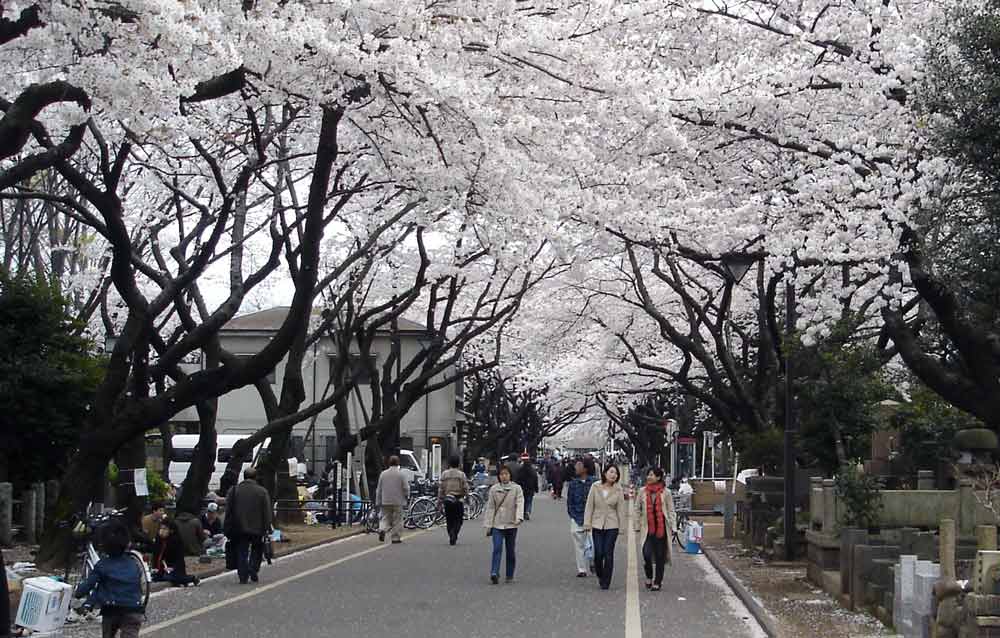
Yanaka Cemetery is where I go alone. The first time I walked there during cherry blossom season was unplanned and it quickly became one of my best parks in Tokyo. I had finished errands in Yanaka and took the central path home. The trees were in full bloom, and the entire area felt suspended.
I now visit early in the morning, usually before 9 AM. Locals pass through quietly, some stopping to clean family graves, others walking dogs. There is no picnicking here, and that restraint shapes the mood. The blossoms feel present without demanding attention.
5. Rikugien Garden
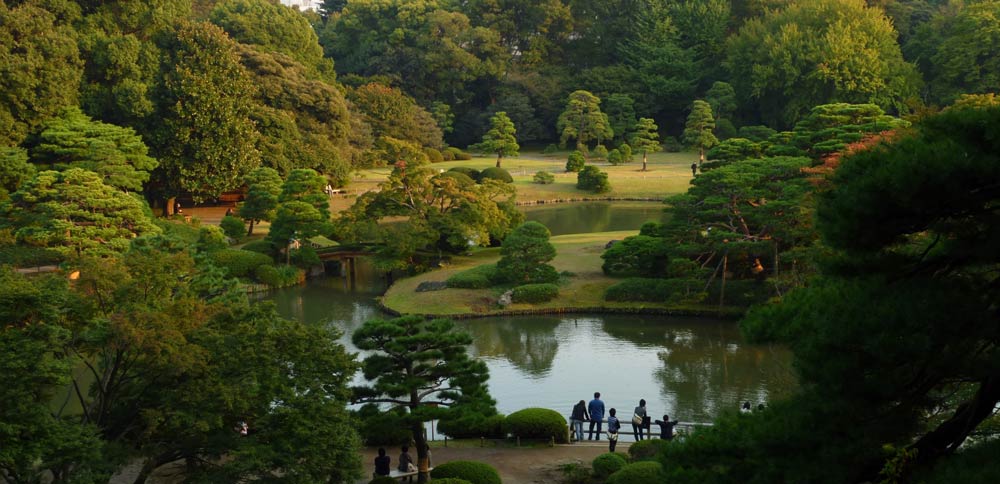
Rikugien Garden is one of the few best places to visit in Tokyo, I will plan ahead for. The weeping cherry tree draws attention for a reason, but timed entry keeps the experience calm. I usually aim for late afternoon, when the light shifts and the crowd thins slightly.
I like watching how people move here. Everyone slows down. Phones come out, then go away. The garden encourages observation rather than consumption, which is rare during peak bloom.
6. Shakujii River
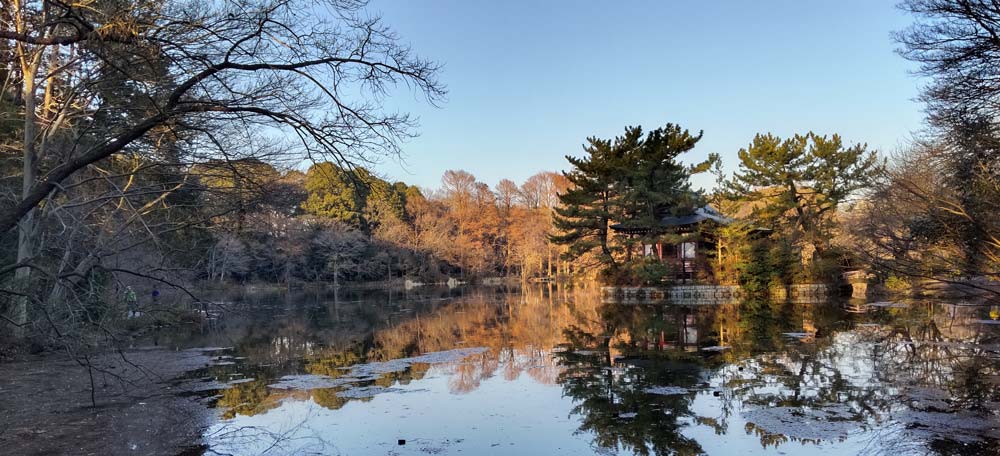
The Shakujii River is useful when peak bloom feels too compressed elsewhere, this is one of the best parks in Tokyo to escape to and a must on your Tokyo bucket list. Different sections flower at slightly different times, which stretches the season. I often choose a section based on where I need to be afterward rather than where the blossoms are best.
Some parts attract picnic groups, others remain simple walking paths. That flexibility makes it easy to fit hanami into an ordinary day.
7. Koishikawa Botanical Garden
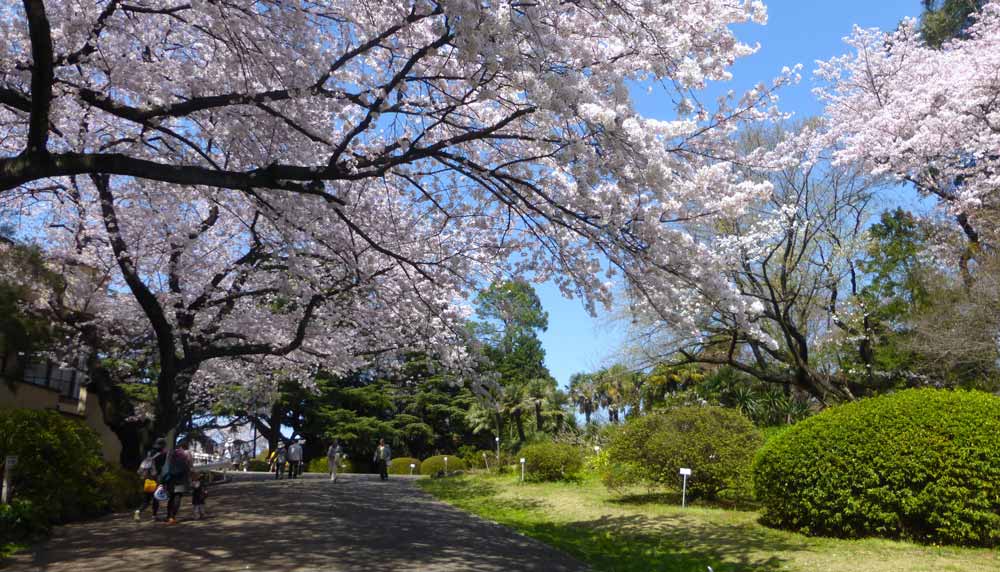
Koishikawa Botanical Garden appeals to people who want context. The cherry trees are labeled, the paths are wide, and visitors tend to move with intention. I have gone with friends who care about plant varieties and bloom cycles, and it changes how you look at the trees.
Even on weekends, the garden stays calm. People spread out because they are there for different reasons, not competing for the same view.
8. Tamagawa Josui Greenway
The Tamagawa Josui Greenway runs through residential neighborhoods and functions as infrastructure first. That is why it works so well during cherry blossom season. People use it to walk dogs, commute, or exercise, and the blossoms become a backdrop.
I pass through sections of it multiple times each spring, often without stopping. That repetition is part of the pleasure.
9. Yoyogi Park
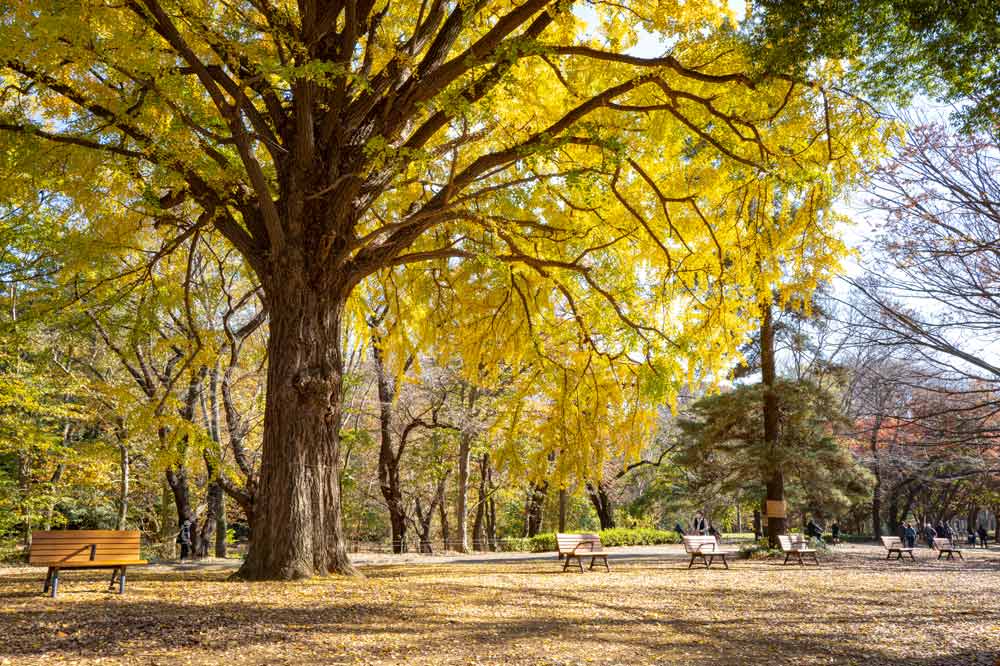
Yoyogi Park is one of Tokyo’s largest public parks and a vibrant hub of urban nature and culture. Adjacent to Meiji Shrine, it’s a lively meeting place where groups gather to picnic, bike, play sports, or simply enjoy the outdoors.
The park’s wide open lawns, wooded areas, and paved paths make it perfect for casual strolls, cycling, and people-watching; perfect for 5 days in Tokyo itineraries.
10. Inokashira Park
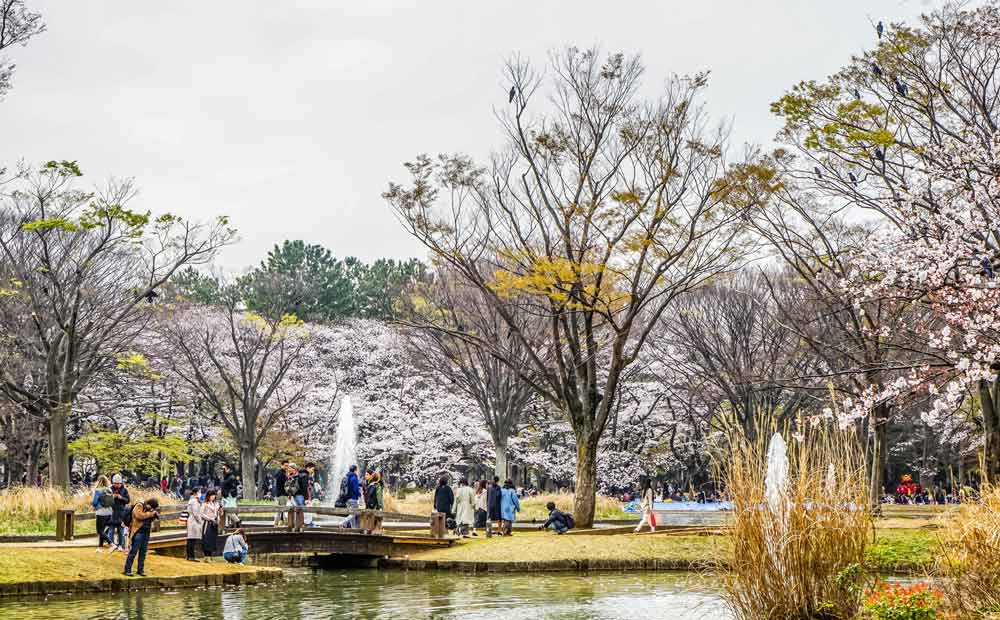
Located in the charming Kichijōji neighborhood, Inokashira Park is a beloved local favorite thanks to its large central pond and wooded walking paths. Visitors can rent boats (including swan-shaped paddle boats) to enjoy on the water or explore the scenic trails that wind through the park. It’s also home to a small shrine—Inokashira Benzaiten—that adds cultural charm to the natural setting.
Inokashira Park’s relaxed, laid-back vibe and proximity to lively shopping streets make it a perfect afternoon destination for families, couples, and solo wanderers alike. During cherry blossom season or on sunny weekends, the park fills with locals enjoying picnics, music, and street performances.
Tips for visiting the best parks in Tokyo
- Timing Choices That Make a Difference
Most crowd problems come from aiming for peak bloom at peak hours. I avoid weekends when possible and favor weekday mornings or early evenings. Western neighborhoods often bloom slightly earlier, while northern areas trail by a few days.
I also like the period just after full bloom, when petals fall and collect on paths and water. It feels less competitive and more reflective.
- Hanami Etiquette in Neighborhood Spaces
Local hanami works because people protect shared space. Music stays quiet, trash goes home, and walkways remain open. At temples and cemeteries, respect comes first. The blossoms do not change the purpose of the place.
The rule I learned early is simple. Enjoy the moment without making it harder for anyone else to do the same.
- Learning Where to Go From People, Not Lists
I learned most of these places through conversation. A neighbor mentioned Koganei Park. A colleague suggested a specific section of the Shakujii River. Over time, these recommendations build a mental map of the city during spring.
For visitors who want a broader overview of how cherry blossom season unfolds across Tokyo, a travel guide to cherry blossom season can help place these local spots in context. Knowing when areas tend to bloom makes it easier to avoid pressure and crowds.
- Hanami as Part of Everyday Life
For me, cherry blossom season is not about finding the best photo or the most famous tree. It is about noticing changes on familiar paths and returning to places year after year. The blossoms matter because they are temporary, and because they appear in the middle of ordinary days.
When you step away from the most publicized parks, hanami becomes quieter and more personal. That is the version most locals keep for themselves, not because it is secret, but because it fits naturally into how we live.
Things to Know Before You Go to Tokyo
Best Parks in Tokyo FAQ
What are the best parks in Tokyo?
Some of the best parks in Tokyo include Shinjuku Gyoen National Garden, Yoyogi Park, Ueno Park, Inokashira Park, Rikugien Gardens, Hibiya Park, Hamarikyu Gardens, Meiji Jingu Gaien, Koganei Park, and Showa Memorial Park. Each offers a different experience, from traditional Japanese landscapes to large open spaces perfect for picnics and activities.
Which Tokyo park is best for cherry blossoms?
Ueno Park and Shinjuku Gyoen are among the most popular spots for cherry blossom viewing in Tokyo. Inokashira Park and Chidorigafuchi (near the Imperial Palace) are also excellent choices, offering scenic backdrops and a slightly calmer atmosphere during sakura season.
Are Tokyo parks free to enter?
Many Tokyo parks, such as Yoyogi Park, Ueno Park, and Hibiya Park, are completely free. Some landscaped gardens, including Shinjuku Gyoen, Rikugien, and Hamarikyu Gardens, charge a small entrance fee, which helps maintain their beautiful grounds.
What is the biggest park in Tokyo?
Showa Memorial Park, located in western Tokyo, is the largest park in the city. It features vast lawns, cycling paths, seasonal flower displays, playgrounds, and picnic areas, making it ideal for spending a full day outdoors.
Which park in Tokyo is best for families?
Families often enjoy Yoyogi Park, Ueno Park, Koganei Park, and Showa Memorial Park due to their open spaces, playgrounds, and easy access to facilities. Ueno Park is especially popular with children thanks to Ueno Zoo and nearby museums.
Are there traditional Japanese gardens in Tokyo?
Yes, Tokyo has several beautiful traditional Japanese gardens. Rikugien Gardens and Hamarikyu Gardens are among the most famous, offering carefully designed landscapes, ponds, bridges, and seasonal beauty that reflect classic Japanese garden design.
When is the best time to visit Tokyo parks?
Spring (March to April) and autumn (October to November) are the best times to visit Tokyo parks, thanks to cherry blossoms and autumn foliage. Summer can be hot and humid, while winter offers fewer crowds and peaceful scenery, especially in formal gardens.
Which Tokyo park is best for a picnic?
Shinjuku Gyoen, Yoyogi Park, Inokashira Park, and Koganei Park are all excellent picnic spots. Shinjuku Gyoen is especially popular for relaxed picnics, while Yoyogi Park has a lively atmosphere on weekends.
Stay Creative!
Thank you for your support and love for Creative Travel Guide. If you are looking for more video tips, make sure to head over to your YouTube channel and follow us on Instagram for daily tips and chats.
Share any questions or comments below and happy creative travels!
10 Most Beautiful Cities in Japan - Creative Travel Guide
Tuesday 7th of April 2026
[…] cherry blossom season, Tokyo parks including Ueno and Shinjuku Gyoen become pastel dreamscapes, softening the city’s urban […]
15 FREE Things to do in TOKYO, JAPAN - Creative Travel Guide
Tuesday 7th of April 2026
[…] of the best free things to do in Tokyo is simply spending time in its beautiful public parks in Tokyo. Despite being one of the world’s largest cities, Tokyo is filled with peaceful green spaces […]
15 Best Places to Visit in Tokyo, Japan (2026) - Creative Travel Guide
Tuesday 7th of April 2026
[…] one of the best parks in Tokyo, Shinjuku Gyoen is a popular choice for many. The park is comprised of three different gardens; a […]
Ultimate Japan Bucket List: 10 Best Things to do in Japan - Creative Travel Guide
Tuesday 7th of April 2026
[…] late March, with the blossoms reaching their peak a week or so later, so spend time exploring the best parks in Tokyo whilst you’re […]