

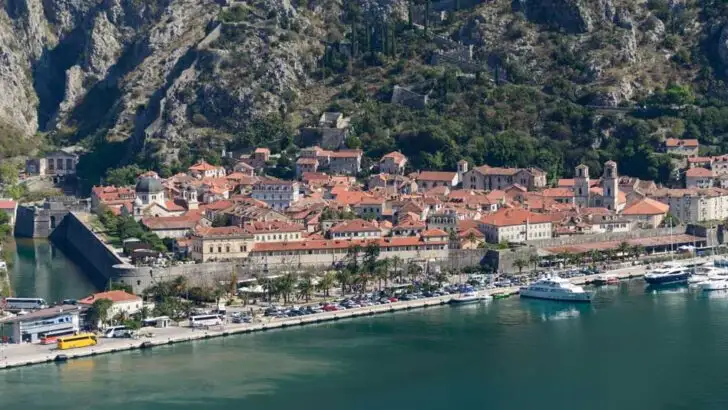
Discover lesser-known cruise ports in Europe, from quiet harbour towns to underrated coastal cities, all reachable from the UK.
When planning a European cruise, it’s easy to focus on famous cities and headline ports. Yet some of the most memorable moments at sea come from arriving somewhere unexpected — smaller ports where life feels local, streets are quieter and the pace of travel naturally slows. These lesser-known cruise ports in Europe offer a different way to experience Europe, one rooted in everyday culture rather than crowds.
From understated coastal towns to working harbour cities, these destinations often sit just beyond the mainstream cruise routes. Arriving by sea allows you to step straight into places that haven’t been shaped around tourism, where wandering without a plan is part of the experience. For travelers who value authenticity, atmosphere and discovery, the lesser-known cruise ports cruise ports in Europe reveal a more intimate side of coastal travel.
Why lesser-known ports feel more rewarding
Smaller cruise ports in Europe tend to offer something increasingly rare: authenticity without performance. Instead of catering heavily to mass tourism, they function first and foremost as working towns or small cities with their own rhythms.
Arriving by sea often enhances this feeling. You see the destination as it was meant to be approached — from the water — and step directly into everyday life rather than a tourist zone. Cafés feel local, markets are unpolished and walking routes unfold organically.
This is where cruises from the UK really come into their own, opening up routes that prioritise character over spectacle. So get cruise packing, plan your cruise trip and enjoy these lesser-known cruises in Europe.
Lesser-Known Cruise Ports in Europe

1. Honfleur, France
Often overshadowed by larger French ports, Honfleur is a quietly beautiful harbour town in Normandy with a rich artistic heritage. Its pastel-fronted buildings, narrow streets and calm marina have inspired painters for centuries.
The port sits directly beside the town, making it easy to explore on foot. Spend time wandering around the old harbour, visiting independent galleries or enjoying seafood at waterside restaurants. It’s a destination best experienced slowly, without a strict plan.
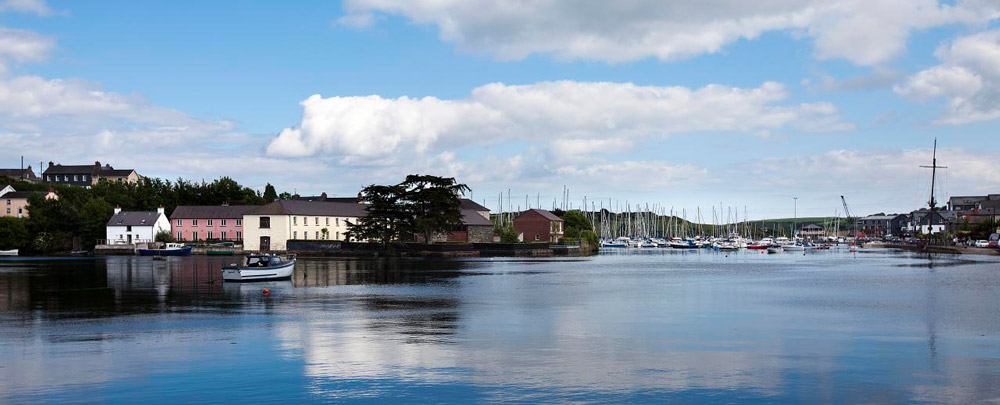
2. Kinsale, Ireland
Kinsale is a colourful coastal town in County Cork that blends maritime history with one of Ireland’s most respected food scenes. Despite its size, it has earned a reputation as a culinary destination, with small restaurants and cafés championing local produce.
Cruise arrivals here feel particularly intimate. The surrounding coastline is rugged and dramatic, while the town itself is compact and welcoming. It’s ideal for travellers who enjoy food-led exploration, scenic walks and a strong sense of place.

3. Alesund, Norway
While Norway’s fjords are no secret, Ålesund often feels more understated than better-known ports. Rebuilt in Art Nouveau style after a fire in the early 20th century, the town is visually striking without feeling busy.
Set across several small islands, Ålesund offers architecture, viewpoints and quiet coastal walks within easy reach of the port. It’s a destination where design, nature and calm coexist — particularly appealing to travellers seeking beauty without crowds.
4. Ferrol, Spain
Located in Galicia, Ferrol is a working port city that rarely features on mainstream travel lists. Yet it offers a fascinating insight into northern Spain’s maritime culture and everyday life.
Here, you’ll find grand naval architecture, uncrowded streets and access to wild Atlantic beaches just beyond the city. Food is simple and local, with seafood playing a central role. Ferrol suits travellers who enjoy destinations that feel lived-in rather than curated.

5. Lerwick, Shetland Islands
Closer to home, Lerwick offers one of the most distinctive cruise experiences available from the UK. As the main town in the Shetland Islands, it combines Nordic influences with dramatic coastal scenery and a strong local identity.
Cruise arrivals here feel almost exploratory. Expect rugged landscapes, wildlife spotting opportunities and a slower pace shaped by weather and tradition. It’s a destination that rewards curiosity and an openness to something different.
6. Skagen, Denmark
Situated at the northern tip of Denmark, Skagen is where two seas meet — and the atmosphere reflects that sense of convergence. Known for its distinctive light and artistic heritage, the town feels both remote and refined but can easily be one of the best places to visit in Europe.
Skagen’s charm lies in its simplicity: wide beaches, minimalist architecture and a strong connection to nature. It’s ideal for travellers who appreciate understated beauty, photography and long walks by the sea.
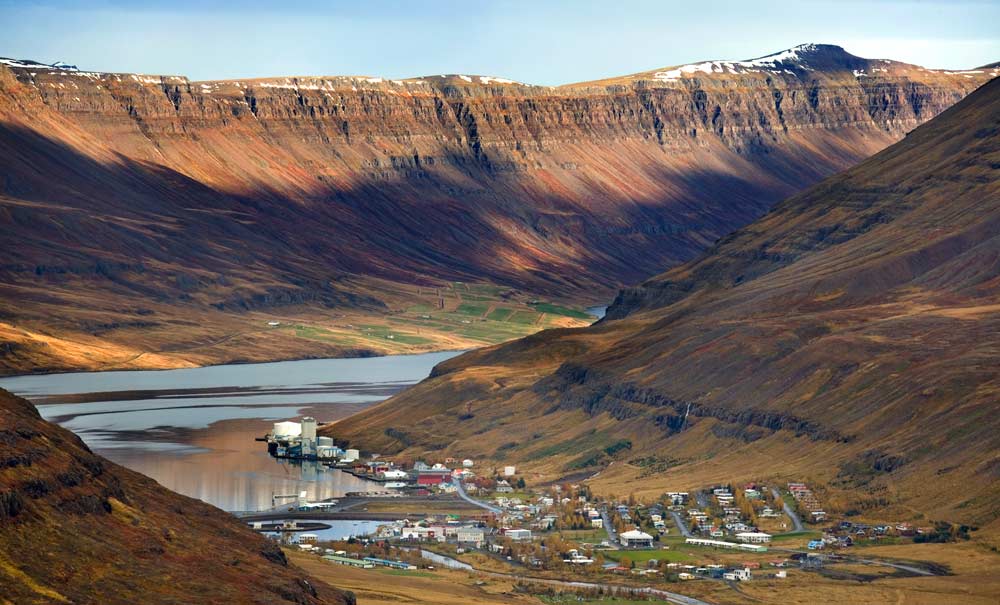
7. Ísafjörður, Iceland
Ísafjörður is a remote cruise port in Iceland’s Westfjords, offering some of the country’s most dramatic and least visited scenery. Surrounded by steep mountains and deep fjords, the town feels peaceful and untouched compared to Iceland’s more famous stops.
Cruise passengers can explore charming wooden houses, scenic walking routes and nearby waterfalls or fjord viewpoints. Ísafjörður suits travellers drawn to wild landscapes, quiet towns and experiences shaped by nature rather than tourism.
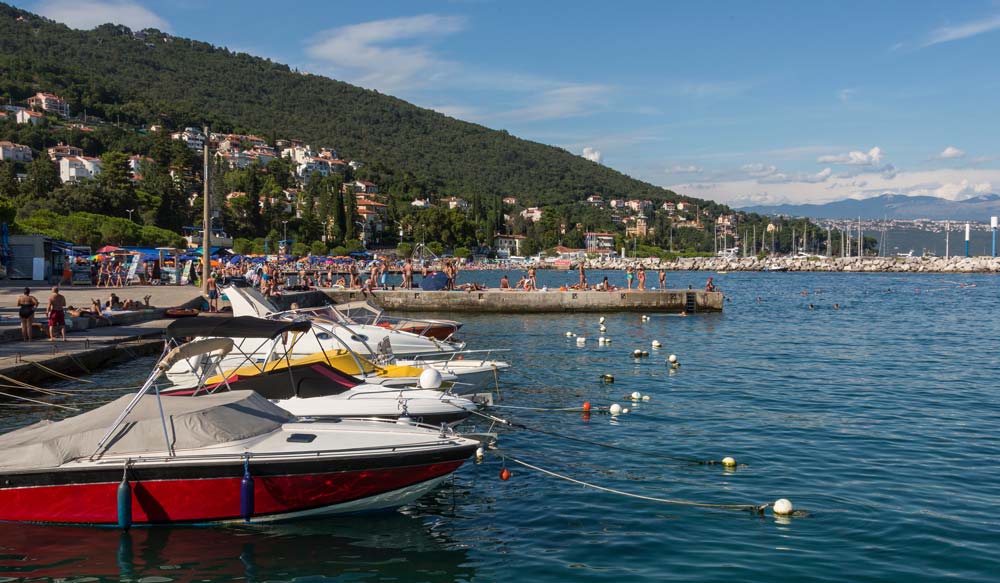
8. Rovinj, Croatia
Rovinj is a charming Adriatic port that often feels overshadowed by larger Croatian cruise destinations. Its old town rises from a narrow peninsula, with colourful buildings, winding streets and a lively yet relaxed waterfront atmosphere; there are plenty of things to do in Rovinj you’ll want to spend more than one day here.
Arriving by sea offers spectacular views of the historic centre. Once ashore, Rovinj invites slow exploration, from seaside cafés to small art studios and coastal walking paths. It’s perfect for travellers who value romance, history and walkable charm without the intensity of busier ports.
9. Horta, Azores, Portugal
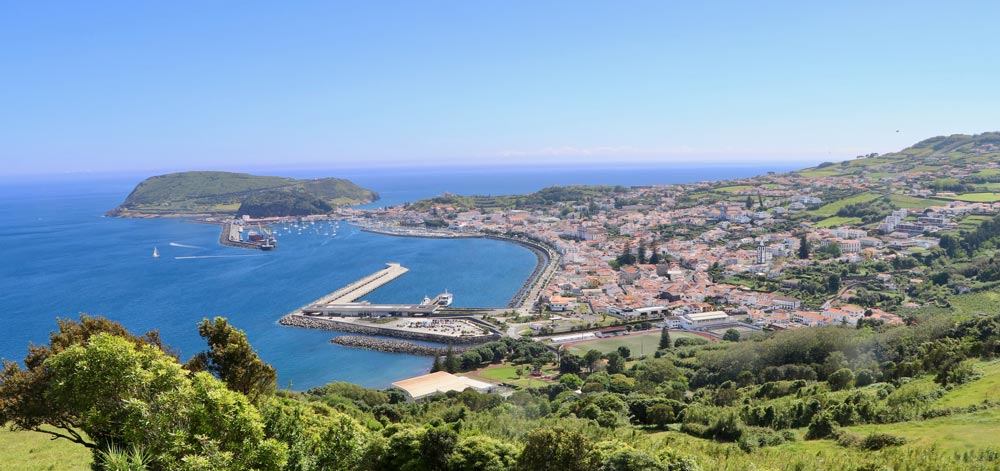
Horta, on the island of Faial in the Azores, offers a unique mid-Atlantic cruise experience. Known for its marina covered in sailor-painted murals, the town feels adventurous yet laid-back, shaped by centuries of maritime travel.
Beyond the port, visitors can enjoy volcanic landscapes, whale-watching opportunities and sweeping ocean views. Horta appeals to travellers who enjoy nature-led exploration and destinations that feel remote, raw and deeply connected to the sea.
10. Kotor, Montenegro
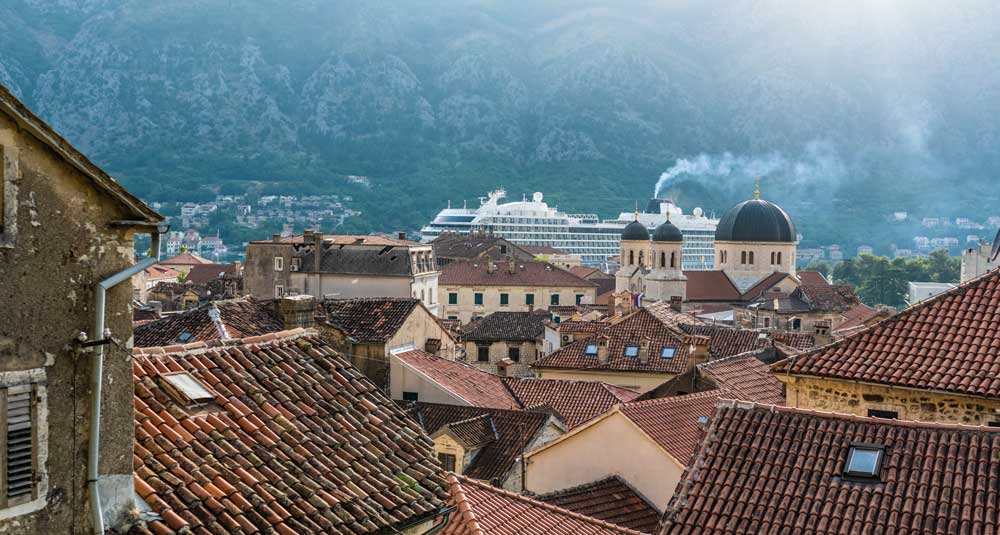
While becoming more popular, Kotor remains one of Europe’s more atmospheric smaller cruise ports. Set deep within a dramatic bay and surrounded by steep mountains, the approach by ship is as memorable as the destination itself.
The medieval old town is compact and walkable, with quiet squares, historic churches and stone alleyways waiting to be explored. Early arrivals and slower-paced visits reveal Kotor’s calmer side, making it especially rewarding for travellers who enjoy history and scenery without constant crowds.
How to explore smaller ports well
The key to enjoying lesser-known ports is resisting the urge to over-plan. These destinations shine when explored intuitively.
A few simple approaches work best:
- Walk wherever possible to absorb atmosphere
- Visit local bakeries, markets or cafés rather than headline attractions
- Allow time to sit, observe and wander
Often, the most memorable moments come from unplanned discoveries rather than structured itineraries.
When to visit for the best experience
Smaller ports are particularly rewarding outside peak summer months. Spring and early autumn offer quieter streets, better access to local spaces and a more relaxed welcome.
Cruising in shoulder season also allows these destinations to feel more like themselves — less shaped by tourism and more reflective of daily life.
Many of these ports are difficult to reach by traditional travel routes. They may require multiple train connections, limited flights or long drives. Cruising removes those barriers entirely.
By arriving by sea, travellers gain access to places they might otherwise overlook — without the logistical complexity. This makes cruising a powerful tool for discovery, not just convenience.
A different way to travel
Hidden coastal gems remind us that travel doesn’t need to be loud to be memorable. Smaller ports offer nuance, texture and a sense of connection that larger destinations sometimes lose.
Cruising from the UK makes these experiences accessible, comfortable and surprisingly seamless. For travellers seeking depth over density, these lesser-known ports reveal a quieter, more rewarding side of coastal travel — one that lingers long after the journey ends.
Best Cities in Europe
Cruise Ports in Europe FAQ
What are the best lesser-known cruise ports in Europe?
Some of the best lesser-known cruise ports in Europe include Honfleur (France), Ferrol (Spain), Kinsale (Ireland), Ålesund (Norway), Skagen (Denmark) and Lerwick in the Shetland Islands. These ports offer local culture, quieter streets and easier exploration compared to major cruise hubs.
Why choose lesser-known cruise ports in Europe?
Lesser-known cruise ports tend to feel more authentic and less crowded. They are often working towns rather than tourist centres, making them ideal for travellers who want a slower pace, local food and a more genuine sense of place.
Are smaller European cruise ports easy to explore on foot?
Yes, many smaller European cruise ports are very walkable. Ships often dock close to historic centres or town harbours, allowing visitors to explore on foot without needing organised excursions or transport.
Do cruises from the UK visit lesser-known European ports?
Yes, cruises from the UK frequently include lesser-known European ports, particularly in Northern Europe, Scandinavia, Ireland and along the Atlantic coast. These itineraries often focus on scenic cruising and smaller harbours.
When is the best time to visit European cruise ports?
The best time to visit European cruise ports is during the shoulder seasons of spring and early autumn. These months offer fewer crowds, milder weather and a more relaxed atmosphere in smaller destinations.
Are lesser-known cruise ports suitable for first-time cruisers?
Yes, lesser-known cruise ports are suitable for first-time cruisers, especially those who prefer relaxed sightseeing. Their compact size, walkability and calmer pace make them easy and enjoyable to explore.
Do smaller cruise ports offer good food and local experiences?
Absolutely. Smaller cruise ports often excel in local dining, markets and cafés. Seafood, regional specialities and locally owned restaurants are usually highlights of visiting lesser-known European ports.
Are excursions necessary at smaller European cruise ports?
Excursions are usually optional. Many travellers choose to explore independently, wandering the town, visiting local cafés or enjoying coastal walks. This flexibility is one of the main advantages of smaller ports.
Are lesser-known cruise ports worth choosing over famous destinations?
For travellers who value atmosphere, authenticity and discovery, lesser-known cruise ports are absolutely worth choosing. While they may lack famous landmarks, they often deliver richer, more memorable travel experiences.
Stay Creative!
Thank you for your support and love for Creative Travel Guide. If you are looking for more video tips, make sure to head over to your YouTube channel and follow us on Instagram for daily tips and chats.
Share any questions or comments below and happy creative travels!
10 Best Beaches in Croatia - Creative Travel Guide
Tuesday 7th of April 2026
[…] can also take a cruise to some of the lesser-known cruise ports in Europe, exploring some of the quieter hidden […]
HOW TO PLAN FOR A CRUISE HOLIDAY - Creative Travel Guide
Sunday 4th of January 2026
[…] The weather and when you plan on travelling will affect where you go, so consider this alongside the sights you want to see. The activities you enjoy will also play a major role, especially if you want to explore the hidden gem cruise ports in Europe. […]