
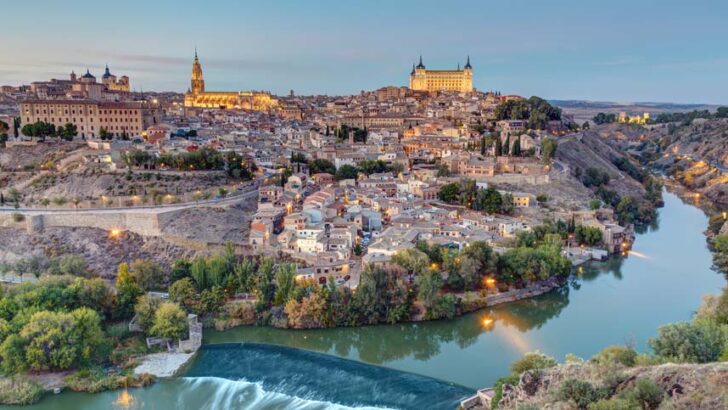
Creating your own Spain Bucket List is the first step to exploring this beautiful country and the best things to do in Spain; we share our top 50 picks!
With 50 provinces and 17 regions, Spain has a lot to offer! Growing up in the UK, we have enjoyed visiting several areas of Spain but we do still have a few places left on our Spain bucket list too. From volcanic wine tasting or exploring the national parks to living it up in Marbella and eating tapas across the country; there is a LOT to love about Spain.
Spain has long been one of my favourite countries in Europe. Whether I’m wandering through medieval streets, relaxing on golden beaches, eating far too many tapas, or watching the sunset from an ancient fortress, every trip seems to reveal somewhere new to fall in love with. It’s a country that somehow manages to feel both wonderfully familiar and endlessly surprising. We have tried our best to narrow the best things to do in Spain in this list, perfect for first timer visitors and return explorers.
Ultimate Spain Bucket List
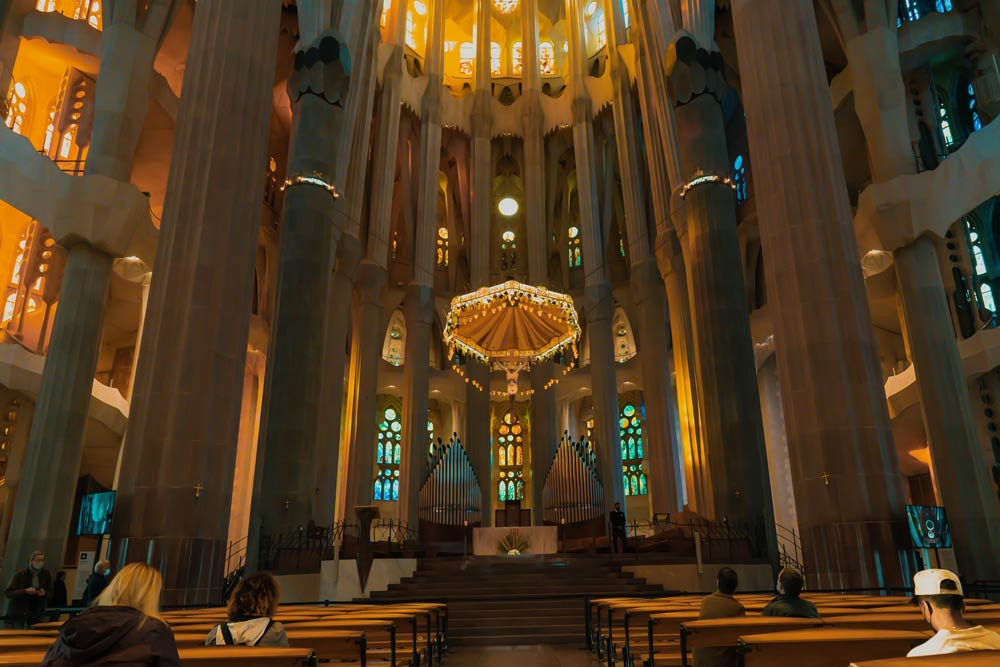
1. Explore the Sagrada Família in Barcelona
No visit to Spain feels complete without standing beneath the soaring towers of the Sagrada Família; it is possibly the most famous place to visit in Spain. I’d seen hundreds of photographs before visiting, yet nothing prepared me for seeing Antoni Gaudí’s masterpiece in person. The intricate stonework, colourful stained-glass windows and seemingly impossible architecture make it one of those rare landmarks that genuinely exceeds expectations.
Stepping inside almost feels like entering an enchanted forest rather than a church. Sunlight pours through the stained glass, painting the interior in shifting shades of blue, green, orange and red throughout the day. Every detail has meaning, from the branching columns that resemble towering trees to the carefully designed façades that tell different chapters of the Bible.
Book your tickets well in advance, particularly during spring and summer when they regularly sell out. If your budget allows, adding access to one of the towers is well worth it for spectacular views across the beautiful city of Barcelona. Arriving early in the morning or later in the afternoon also gives you the chance to enjoy a quieter atmosphere while the changing light creates an entirely different experience inside.
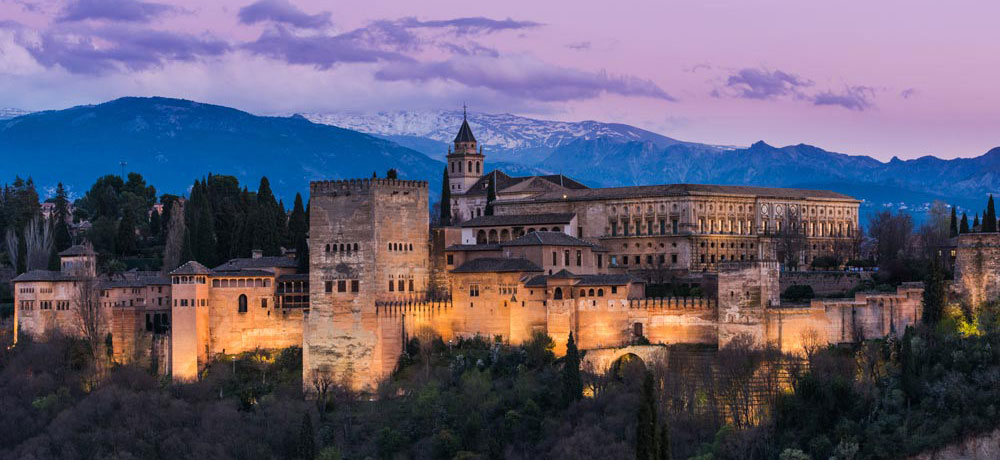
2. Wander Around the Alhambra in Granada
Few places capture Spain’s fascinating history quite like the Alhambra. Sitting high above Granada, this magnificent palace complex combines breathtaking Islamic architecture with peaceful gardens and panoramic views across the city towards the Sierra Nevada mountains. It quickly became one of the most memorable places I’ve visited anywhere in Europe.
Every courtyard seems more beautiful than the last. Delicate carvings cover the walls, elegant fountains provide a constant soundtrack of flowing water, and intricate geometric patterns demonstrate an incredible level of craftsmanship. Even after several hours exploring, I found myself continually stopping to admire details that I’d somehow missed moments before.
The Alhambra is one of Spain’s most popular attractions, so tickets often sell out weeks or even months ahead. Try to allow at least half a day to explore properly, including the Generalife Gardens, rather than rushing through. Comfortable shoes are essential too, as there’s far more walking involved than many visitors expect.

3. Watch Flamenco in Seville
Flamenco is far more than a dance performance—it’s an emotional expression deeply woven into Andalusian culture. Before visiting Seville, I’d watched clips online, but seeing talented performers just a few metres away gave me a completely different appreciation for the music, passion and storytelling behind every movement.
The atmosphere inside an intimate flamenco venue is unlike anything else. The rhythmic clapping builds anticipation before the guitarist begins, and once the dancer takes the stage it’s impossible not to become completely absorbed. Every stomp, spin and expression feels filled with raw emotion, creating a performance that can be both powerful and deeply moving. This is where package holidays really come into their own. You can experience the local culture and learn the moves in an organized group without overspending or missing out.
Instead of choosing one of the largest tourist shows, I’d recommend looking for a smaller venue where the audience sits close to the performers. Booking in advance is sensible, especially during busy seasons, and combining an evening performance with dinner in Seville’s historic centre makes for an unforgettable night.
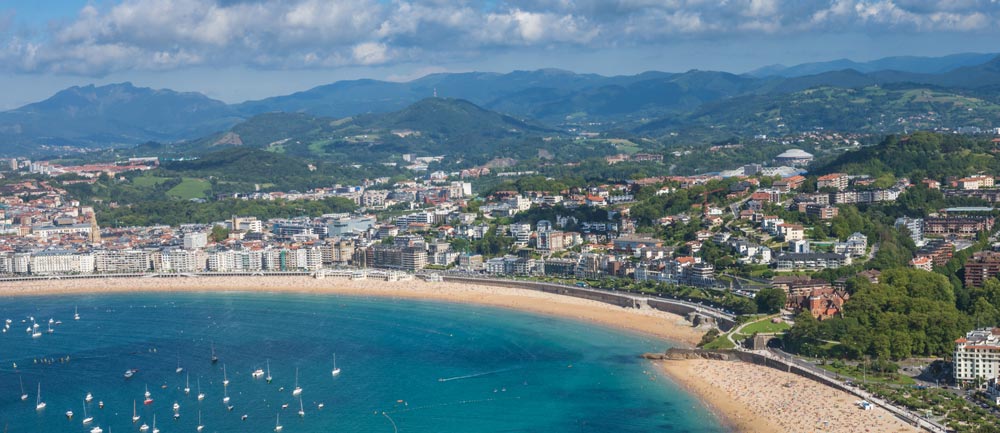
4. Relax on La Concha Beach in San Sebastián
Spain has no shortage of beautiful beaches, yet La Concha continues to stand out as one of the country’s finest, making San Sebastián one of the most beautiful places to visit in Spain. Curving around a sheltered bay, its golden sand and calm waters create a picture-perfect setting that somehow manages to feel elegant rather than overcrowded.
One of my favourite things about San Sebastián is how easily beach time blends with city life. You can spend the morning exploring the charming Old Town, stop for incredible pintxos at lunchtime, then stroll straight onto the sand for a relaxing afternoon. It’s an effortless combination that makes the city feel incredibly liveable.
If you visit during summer, arriving earlier in the day helps secure a good spot on the beach. Even if swimming isn’t on your agenda, walking the promenade towards the headlands offers fantastic views across the bay and is especially beautiful as the sun begins to set.
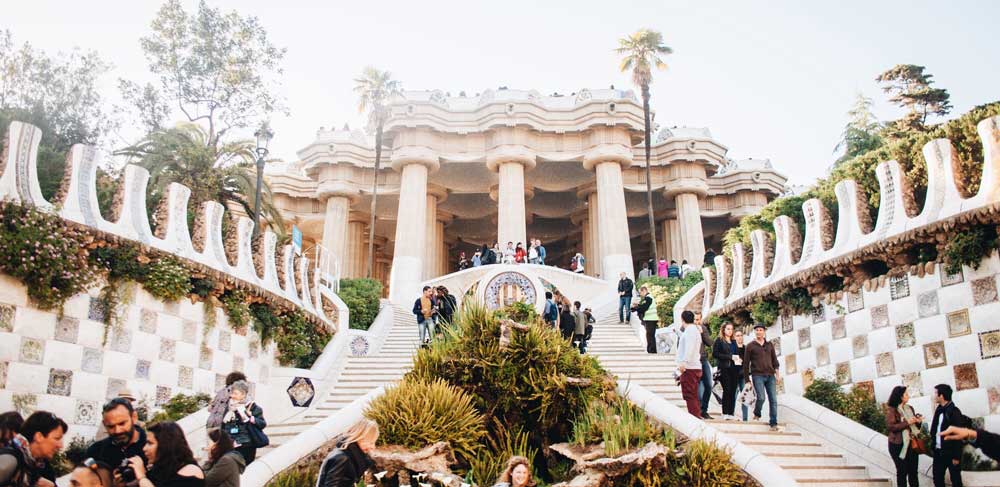
5. Visit Park Güell in Barcelona
Park Güell feels like stepping into Gaudí’s imagination. Bright mosaics, twisting stone pathways and colourful sculptures transform what could have been an ordinary park into one of Barcelona’s most unique attractions. Around every corner you’ll discover another playful architectural detail that invites you to slow down and appreciate the creativity behind it.
The famous mosaic dragon is naturally one of the busiest photo spots, but it’s worth exploring beyond the main terrace too. Some of my favourite moments came while wandering the quieter pathways beneath shaded arches, where the crowds quickly disappeared and the park felt much more peaceful.
Buying tickets online before your visit is highly recommended because entry to the Monumental Zone is limited each day. Morning visits tend to offer cooler temperatures, while late afternoon provides softer lighting that’s ideal for photography.
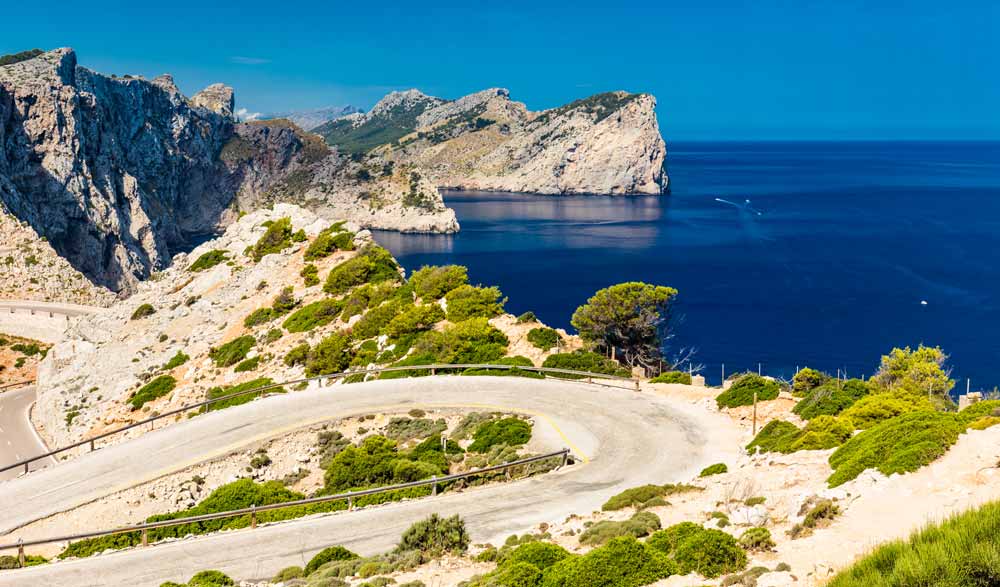
6. Drive the Scenic Roads of Mallorca
Although Mallorca is famous for its beaches, hiring a car completely transformed my experience of the island. Beyond the resorts lies an incredible landscape of dramatic mountains, sleepy villages and winding coastal roads that reveal spectacular views around almost every bend.
The Serra de Tramuntana quickly became one of my favourite drives in Europe. Small stone villages such as Valldemossa and Deià appear tucked into the mountainsides, while countless viewpoints invite you to stop and admire the sparkling Mediterranean below. Every hour seemed to bring another memorable photo opportunity.
Take your time rather than trying to cover too much in a single day. Some roads are narrow and winding, so driving slowly not only feels safer but also allows you to appreciate the scenery properly. If you’re travelling outside peak summer months, you’ll also enjoy quieter roads and more comfortable temperatures.
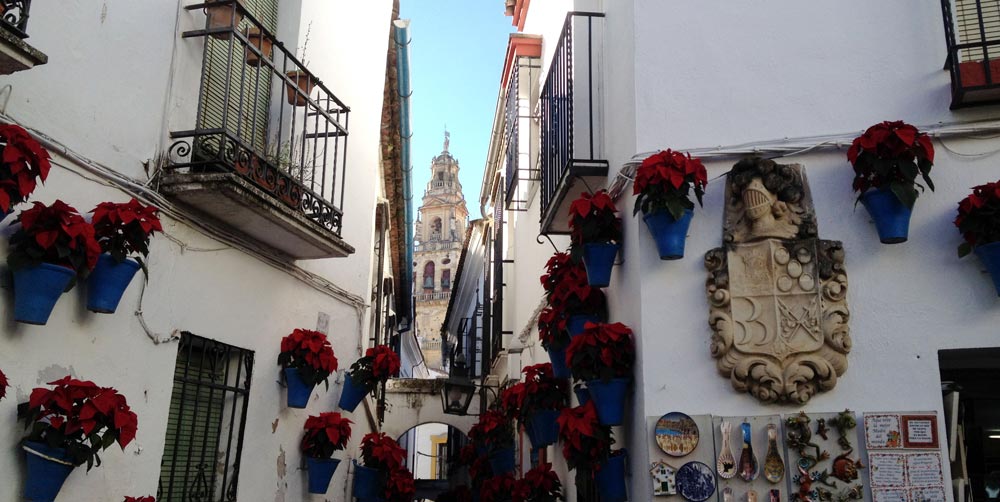
7. Experience the Mezquita-Catedral in Córdoba
At first glance, Córdoba’s Mezquita-Catedral seems almost impossible to comprehend. It combines a grand Catholic cathedral with one of the world’s most remarkable Islamic monuments, creating a building unlike anywhere else I’ve visited.
Walking through the seemingly endless forest of red-and-white arches is genuinely mesmerising. The symmetry creates beautiful repeating patterns that stretch into the distance, while the striking cathedral rising from the centre tells the story of Spain’s complex and fascinating history. It’s one of those places where photographs simply cannot capture the atmosphere.
Visiting early in the day allows you to experience the peaceful interior before larger tour groups arrive. Afterwards, spend time wandering Córdoba’s charming old streets, where flower-filled courtyards and hidden squares make the city just as rewarding outside its most famous attraction.
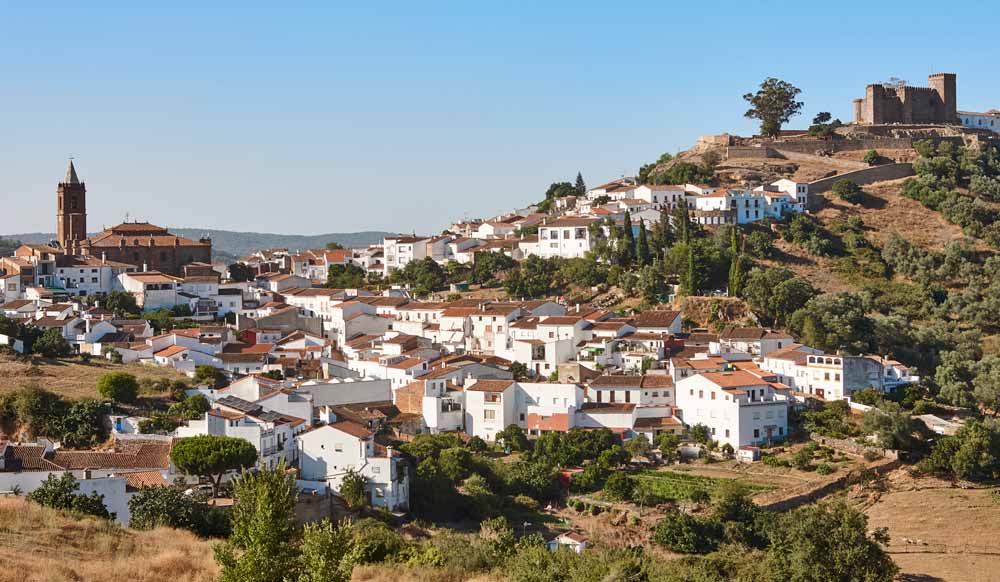
8. Discover the White Villages of Andalusia
Some of my favourite memories of southern Spain don’t come from famous cities but from the picturesque white villages scattered across the Andalusian countryside. Their whitewashed houses, colourful flower pots and narrow cobbled streets create postcard-perfect scenery that encourages you to slow your pace completely.
Each village has its own personality. Ronda impresses with its dramatic gorge, Frigiliana charms visitors with beautifully decorated lanes, while Zahara de la Sierra enjoys breathtaking views over turquoise reservoirs and surrounding mountains. Visiting several villages over a few days offers a wonderful contrast to Spain’s larger cities.
Hiring a car provides the greatest flexibility, allowing you to stop at viewpoints and discover smaller villages along the way. Avoid the hottest hours during summer if you plan on walking uphill through the narrow streets, and don’t rush—half the joy comes from lingering in local cafés and simply soaking up the atmosphere.
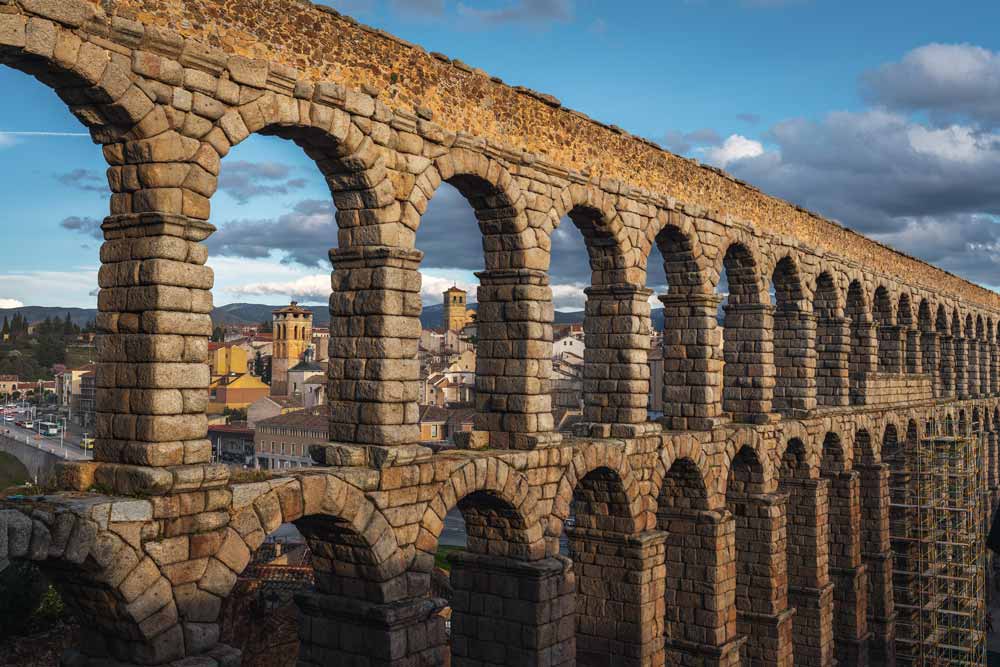
9. See the Roman Aqueduct in Segovia
It’s astonishing that Segovia’s Roman Aqueduct has stood for nearly two thousand years. Built without mortar, the enormous granite structure dominates the city’s entrance and remains one of the finest surviving examples of Roman engineering anywhere in the world.
The first glimpse is unforgettable. As you approach the historic centre, the towering arches suddenly appear stretching across the square, creating an incredible contrast with the cafés and bustling streets below. Climbing to one of the nearby viewpoints gives an even better appreciation of its immense scale.
Segovia makes an excellent day trip from Madrid, but I’d recommend staying overnight if possible. Once the day-trippers leave, the city feels much quieter, making it easier to appreciate the aqueduct, medieval streets and fairytale castle without the busiest crowds.

10. Enjoy Tapas Hopping Across Spain
One of the greatest joys of travelling through Spain isn’t visiting a single landmark—it’s embracing the country’s incredible food culture. Tapas hopping became one of my favourite evening traditions because every stop brought something completely different, whether it was crispy croquettes, sizzling garlic prawns, Iberian ham or freshly grilled octopus.
Every region puts its own spin on tapas. Seville is famous for traditional Andalusian dishes, San Sebastián offers beautifully crafted pintxos, while Madrid combines classic favourites with creative modern cuisine. Rather than ordering a full meal in one restaurant, moving between several bars lets you experience a much wider variety of flavours.
Try eating when the locals do, as many restaurants don’t become lively until later in the evening. Don’t be afraid to step into busy neighbourhood bars where menus might only be written in Spanish—those often end up serving the most memorable food. Pair your tapas with a glass of local wine or vermouth, take your time, and enjoy one of Spain’s most enjoyable travel traditions.
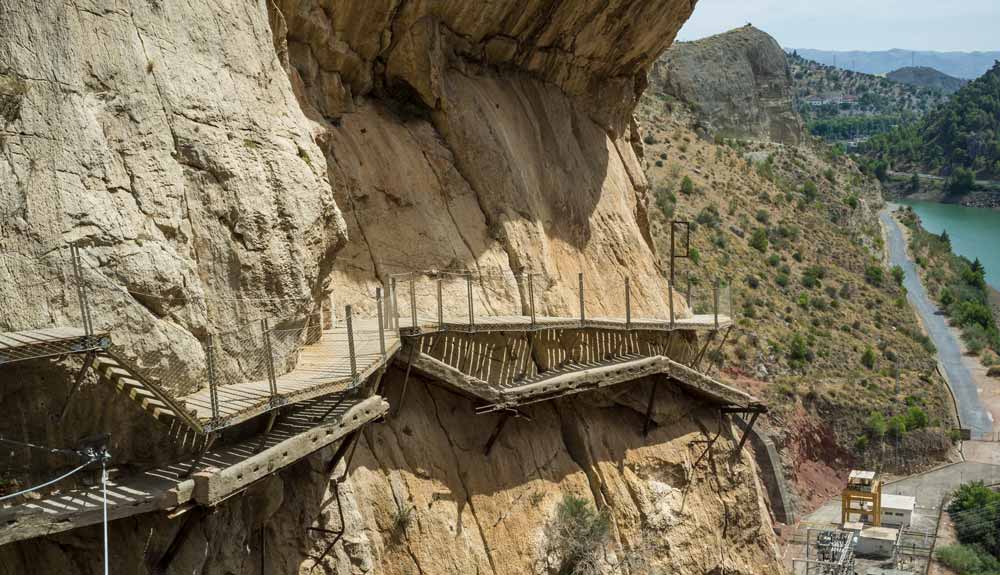
11. Hike the Caminito del Rey
If you’re looking for an adventure that gets your heart racing, the Caminito del Rey should be high on your Spain bucket list. Once known as one of the world’s most dangerous walks, this spectacular cliffside pathway has been completely restored, allowing visitors to experience one of Andalusia’s most dramatic landscapes safely. Even before setting foot on the boardwalks, the towering limestone cliffs surrounding the gorge give you a sense that you’re about to experience somewhere truly extraordinary.
Walking along narrow pathways suspended high above the Guadalhorce River is an unforgettable experience. The scenery changes constantly as you make your way through the gorge, with sheer rock walls rising hundreds of metres above you and turquoise water winding below. I was surprised by how peaceful it felt despite the impressive heights. Every corner seemed to reveal another incredible viewpoint, making it difficult not to stop every few minutes for another photograph.
Tickets often sell out well in advance, particularly during spring and autumn when the weather is perfect for hiking, so booking ahead is essential. Wear comfortable walking shoes, bring plenty of water and don’t forget sun protection, as much of the route is exposed. Although the walk is relatively easy, allowing plenty of time means you can appreciate the scenery rather than rushing from start to finish.
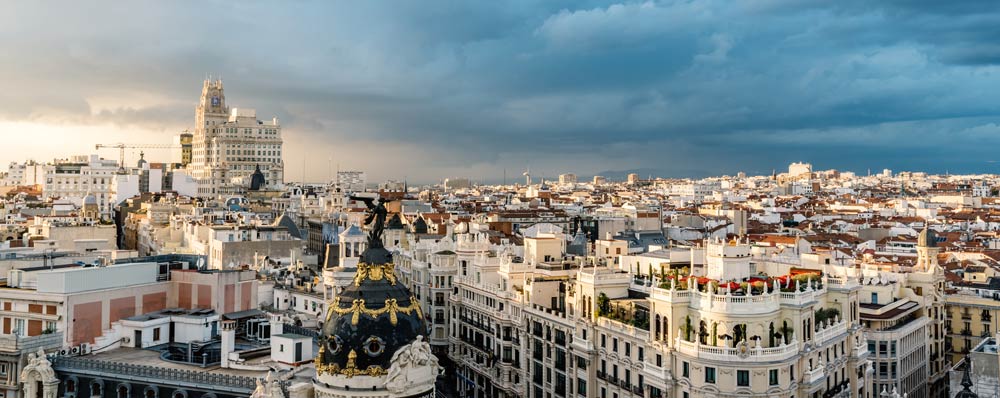
12. Explore Madrid’s Royal Palace
Spain’s capital is packed with world-class museums and lively neighbourhoods, but one of the city’s greatest highlights is undoubtedly the Royal Palace. With more than 3,000 rooms, it remains the largest functioning royal palace in Europe, although the Spanish royal family no longer lives there. Instead, it is used for important state ceremonies while welcoming visitors inside its lavish halls for most of the year.
Every room seems designed to impress. Glittering chandeliers hang from beautifully decorated ceilings, enormous frescoes cover entire rooms, and priceless artwork fills the palace from floor to ceiling. I particularly loved the grand staircase and the magnificent Throne Room, both of which give you a glimpse into centuries of Spanish royal history. Even if you’ve visited other European palaces, this one feels unique thanks to its combination of opulence and surprisingly relaxed atmosphere.
Try to visit early in the morning before tour groups arrive, especially during summer. After exploring the palace, wander through the neighbouring Plaza de Oriente or head across to the beautiful Sabatini Gardens for one of the best exterior views of the building. It’s also worth timing your visit with the changing of the guard if your schedule allows.
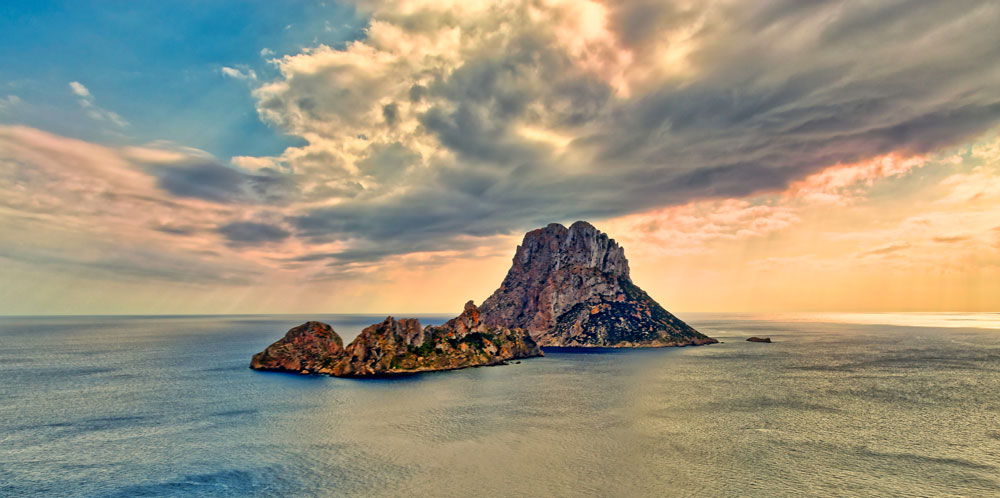
13. Watch the Sunset at Es Vedrà, Ibiza
Ibiza may be famous for its nightlife, but some of my favourite memories from the island have nothing to do with clubs or beach parties. Instead, they involve sitting quietly on a cliff overlooking Es Vedrà as the sun slowly disappears beneath the Mediterranean. This mysterious rocky island, rising dramatically from the sea just off Ibiza’s southwest coast, creates one of the most breathtaking sunset views in Spain.
There’s something incredibly peaceful about the atmosphere here. As evening approaches, people gather along the clifftops carrying cameras, picnic blankets and snacks, all waiting for nature’s nightly show. The changing colours reflecting across the sea, combined with the silhouette of Es Vedrà, create a scene that feels almost unreal. Whether or not you believe the local legends surrounding the island, it’s easy to understand why so many stories have grown around such a magical place.
Parking can become busy during the summer months, so arriving well before sunset is a good idea if you want one of the best viewpoints. Bring a light jacket if you’re visiting outside the hottest months, as it can become breezy once the sun goes down. While many visitors only associate Ibiza with nightlife, spending an evening here reveals an entirely different side of the island.
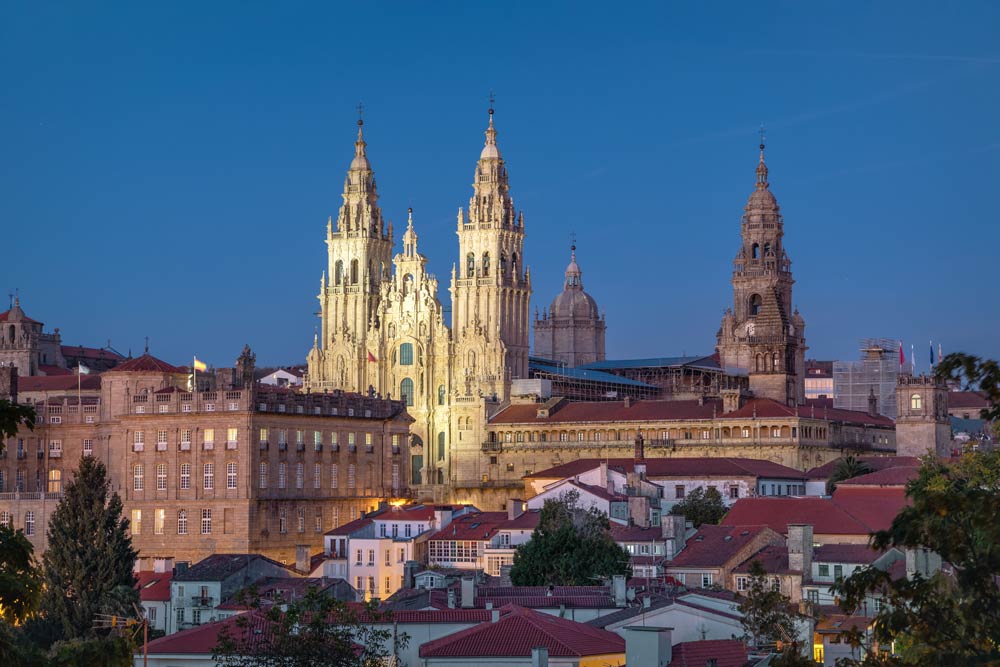
14. Visit Santiago de Compostela Cathedral
For centuries, pilgrims have travelled across Europe to reach Santiago de Compostela, making it one of Christianity’s most important destinations. Even if you haven’t walked the famous Camino de Santiago yourself, arriving in the city’s beautiful main square and seeing the magnificent cathedral for the first time is an incredibly special experience. The atmosphere is unlike anywhere else in Spain, filled with a mixture of celebration, reflection and genuine accomplishment.
Standing outside the cathedral, you’ll often see exhausted but smiling pilgrims embracing after completing journeys that have taken weeks or even months. Watching those emotional reunions adds another layer to the experience, reminding you that this isn’t simply another impressive historic building but the destination for thousands of life-changing adventures every year. Inside, the soaring architecture and peaceful chapels encourage visitors to slow down and appreciate the significance of the site.
If walking the entire Camino isn’t possible, I’d still love to complete at least one section of the route in the future to experience a small part of the pilgrimage. Once you’ve explored the cathedral, spend time wandering Santiago’s charming old town, where narrow stone streets, lively cafés and traditional Galician restaurants create one of Spain’s most welcoming historic centres.
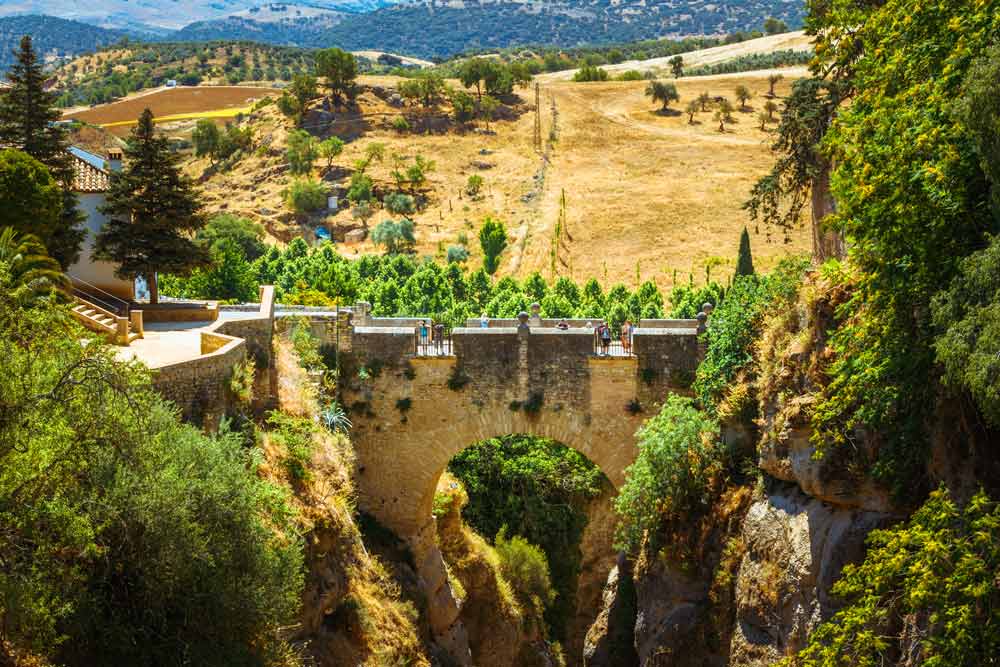
15. Cross the Puente Nuevo in Ronda
Perched dramatically above one of Spain’s deepest gorges, Ronda is one of those destinations that immediately takes your breath away. The city’s iconic Puente Nuevo bridge connects the old and new parts of Ronda while soaring high above the El Tajo Gorge. Photographs had always impressed me, but seeing it in person made me realise just how enormous and dramatic the landscape really is.
Walking across the bridge offers wonderful views, but don’t stop there. Some of the best perspectives actually come from the hiking paths below, where you can look back up towards the bridge and appreciate the incredible engineering that went into its construction during the eighteenth century. The combination of rugged cliffs, whitewashed buildings and the towering bridge creates one of the most recognisable scenes in all of Spain.
Ronda deserves more than just a quick stop on a day trip. Spending the night allows you to enjoy the town once many visitors have left, giving the streets a quieter and more authentic feel. Early morning is another fantastic time to explore before the day’s crowds arrive, especially if you’re hoping to capture photographs of the bridge in soft golden light.
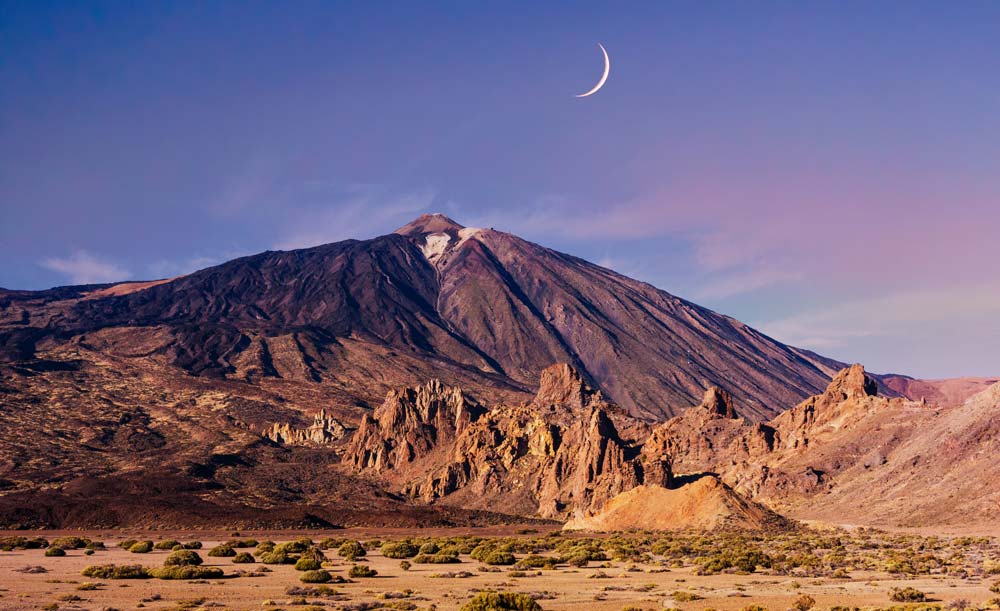
16. Stand Above the Clouds on Mount Teide, Tenerife
Rising dramatically from the centre of Tenerife, Mount Teide is one of Spain’s most extraordinary natural wonders. At 3,715 metres, it is the highest mountain in Spain and the third-highest volcanic structure in the world. The landscape surrounding it feels completely different from the rest of the country, with volcanic rock formations, vast lava fields and strange-looking terrain that could easily be mistaken for another planet.
Exploring Teide National Park was one of those moments where I kept stopping just to take in the scenery. The winding roads climb through several different landscapes, from pine forests to barren volcanic plains, and every viewpoint seems more impressive than the last. The contrast between the dark volcanic earth and the bright blue sky creates some of the most unique scenery you can experience in Spain.
For the ultimate experience, take the cable car towards the summit and enjoy incredible views across Tenerife and, on clear days, towards neighbouring Canary Islands. A special permit is required if you want to hike all the way to the peak, so plan ahead. Temperatures can also be surprisingly cold at altitude, even when the beaches below are warm, so bring extra layers regardless of the season.
Plus, Tenerife is an affordable place to visit, with some fantastic hotel and resort options; making this one of the best family holiday destinations in Spain.
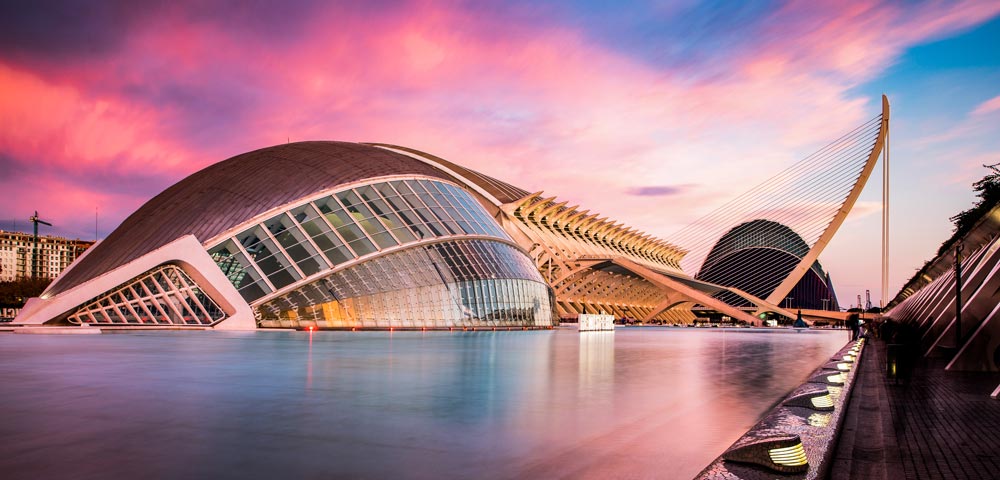
17. Explore the City of Arts and Sciences in Valencia
Valencia is one of Spain’s most underrated cities, combining historic charm with futuristic architecture in a way that feels completely unique; it really is one of the best places to visit in Spain. The City of Arts and Sciences is the perfect example of this contrast. This enormous architectural complex, designed with sweeping curves, reflective pools and futuristic buildings, looks like it belongs in a science-fiction film rather than on the edge of a Spanish city.
Walking around the complex is an experience in itself. Even if you don’t visit every attraction inside, the exterior architecture alone makes it worth adding to your Spain bucket list. The white structures reflecting in the surrounding water create incredible photo opportunities, especially around sunrise or sunset when the light transforms the entire area.
Inside, you can explore attractions such as the interactive science museum, Europe’s largest aquarium and a planetarium. Families will especially love this area, but it is just as enjoyable for adults who appreciate architecture, photography and unique experiences. Visiting on weekdays can help you avoid the busiest crowds, and don’t forget to explore Valencia’s old town afterwards for a completely different atmosphere.
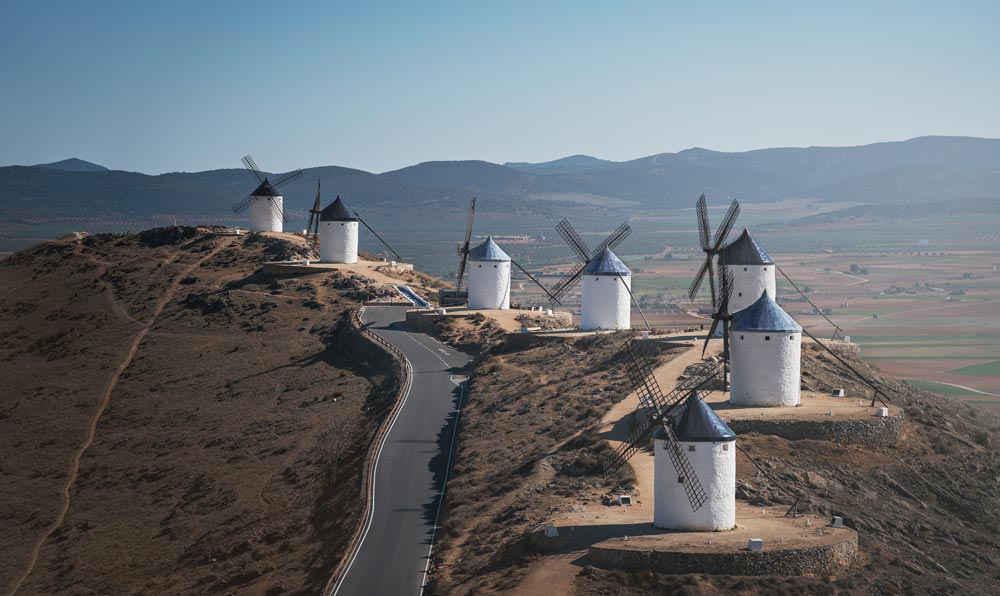
18. See the Famous Windmills of Consuegra
Spain’s connection to Don Quixote comes alive in the small town of Consuegra, where a row of traditional white windmills stands proudly on a hill overlooking the Castilla-La Mancha countryside. These iconic structures are believed to have inspired the famous scene from Miguel de Cervantes’ novel, where the fictional knight famously mistakes windmills for giants.
The view from the hilltop is surprisingly impressive. The windmills stretch across the landscape alongside the remains of Consuegra Castle, creating one of Spain’s most recognisable rural scenes. Unlike some of Spain’s more famous attractions, this experience feels peaceful and uncrowded, allowing you to appreciate the scenery without rushing through alongside large tour groups.
Consuegra makes a fantastic stop during a road trip between Madrid and southern Spain. The best time to visit is around sunrise or sunset when the golden light creates beautiful photographs of the windmills against the surrounding plains. While the town itself is small, the viewpoint alone makes the journey worthwhile.
19. Discover the Caves of Drach in Mallorca
Hidden beneath the island of Mallorca lies a fascinating underground world waiting to be explored. The Caves of Drach, or Cuevas del Drach, are among the most impressive cave systems in Spain, stretching for more than a kilometre beneath the surface and containing one of the largest underground lakes in the world.
Walking through the caves feels like entering another world. Towering stalactites and stalagmites create incredible natural formations, while carefully placed lighting highlights the shapes and textures formed over thousands of years. The experience becomes even more memorable during the underground concert, where musicians perform on boats across Lake Martel surrounded by the dramatic cave walls.
Because the caves are one of Mallorca’s most popular attractions, booking tickets ahead during the summer months is recommended. Temperatures inside remain pleasantly cool throughout the year, making this a great activity when you need a break from the island’s hot weather. Combine your visit with time exploring Porto Cristo and the surrounding coastline for a wonderful day trip.
20. Experience La Tomatina in Buñol
Few festivals anywhere in the world are quite as unusual as La Tomatina. Every year, thousands of people gather in the small Valencian town of Buñol for what has become one of Spain’s most famous celebrations: a giant tomato fight that turns the streets into a sea of red.
The event began almost accidentally in the 1940s and has since grown into an internationally recognised festival attracting visitors from across the globe. While the idea of throwing tomatoes at strangers might sound chaotic, there is a surprisingly joyful atmosphere throughout the event. Everyone arrives knowing exactly what they are there for, creating a shared experience filled with laughter, music and plenty of mess.
If attending La Tomatina is on your Spain bucket list, preparation is essential. Wear old clothes that you don’t mind throwing away afterwards, protect your eyes with goggles if possible and keep valuables in a waterproof pouch. Tickets are required, and accommodation nearby books up quickly, so planning several months ahead is a must.

21. Visit the Guggenheim Museum in Bilbao
The Guggenheim Museum completely transformed Bilbao’s reputation when it opened in 1997. Designed by architect Frank Gehry, the building itself is just as much an attraction as the artwork inside. Its twisting titanium curves, unusual shapes and riverside location make it one of the most impressive examples of modern architecture in Europe.
Even if contemporary art isn’t usually your favourite, the museum is worth visiting simply to experience the building. Walking around the exterior reveals constantly changing perspectives, with the metallic surfaces reflecting the sky and surrounding city. Inside, the exhibitions showcase major works from international artists, alongside large-scale installations that make use of the museum’s enormous spaces.
Bilbao is also a fantastic city to explore beyond the Guggenheim. Spend time wandering the atmospheric Old Town, sampling pintxos in local bars and walking along the Nervión River. Visiting during spring or autumn offers comfortable weather and fewer crowds compared with the peak summer season.
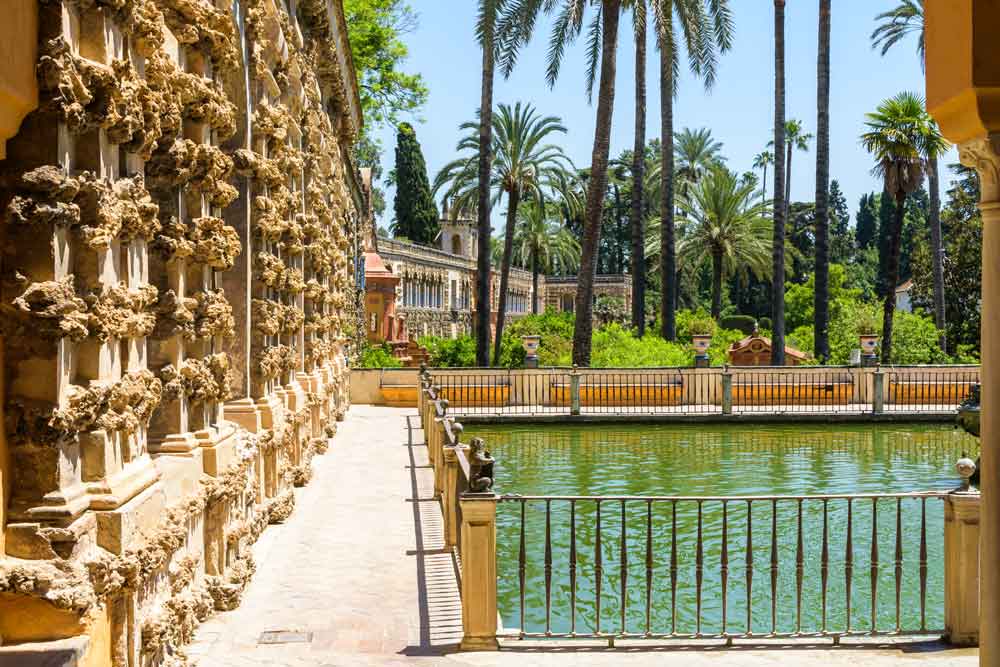
22. Explore the Alcázar of Seville
The Alcázar of Seville is one of Spain’s most beautiful palaces and a place where history, architecture and gardens come together perfectly. Originally developed as a Moorish fortress, the palace has evolved over centuries, blending Islamic, Gothic, Renaissance and Baroque influences into a fascinating mix.
The intricate tilework and detailed carvings are incredible, but the gardens were what truly stood out to me. Hidden pathways, orange trees, fountains and peaceful courtyards create an oasis away from Seville’s busy streets. It is easy to spend hours exploring different corners of the palace grounds, each offering something new to admire.
This is another Spanish attraction where advance booking is strongly recommended. Visiting first thing in the morning means cooler temperatures and a quieter experience, particularly when exploring the gardens. Fans of television and film may also recognise parts of the palace from popular productions, adding another fun element to the visit.
Plus, if you are visiting Europe on a budget, Seville is a great place to visit; you can explore Spanish history, soak in the atmosphere of local life but also enjoy affordable hotels and meals.
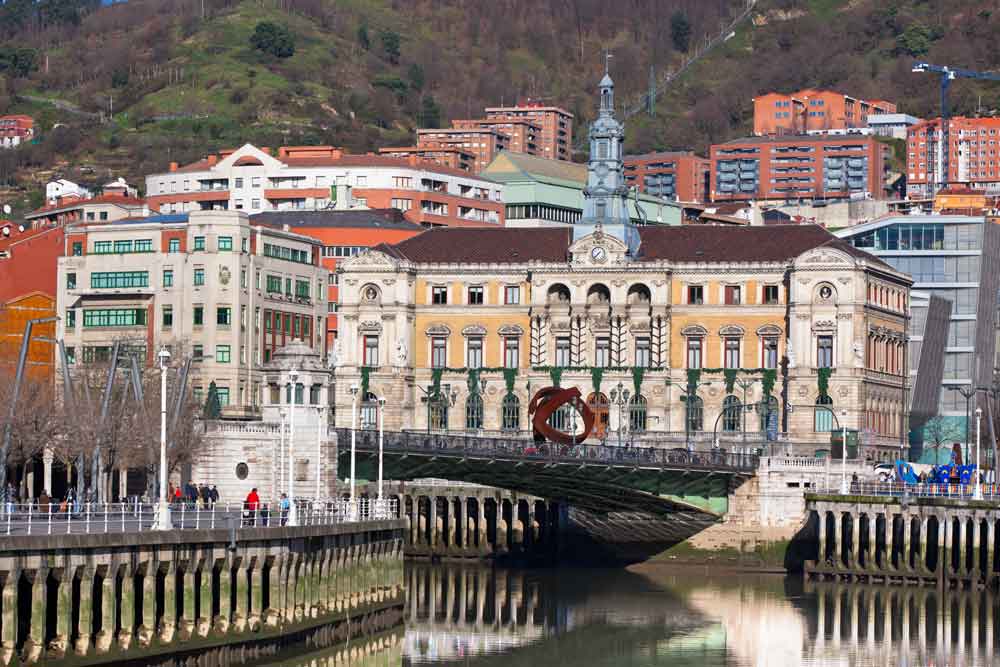
23. Take a Road Trip Through the Basque Country
The Basque Country offers one of Spain’s most rewarding road trips, combining dramatic coastlines, charming villages, incredible food and landscapes that feel completely different from the country’s southern regions. From Bilbao to San Sebastián and beyond, every stop reveals another reason to fall in love with northern Spain.
Driving along the coastline is especially memorable. Rugged cliffs drop into the Atlantic Ocean, tiny fishing villages sit between green hills and viewpoints appear around unexpected corners. Places like Getaria, Hondarribia and the flysch coastline near Zumaia showcase a side of Spain that many first-time visitors never experience.
Allow plenty of time rather than trying to rush from city to city. The joy of travelling through this region comes from spontaneous stops—pulling over for a coastal view, wandering into a small village café or discovering a local restaurant serving fresh seafood. Renting a car gives you the freedom to experience these quieter moments.
24. Relax in the Thermal Baths of Ourense
For a slower-paced Spanish experience, spend time enjoying the natural hot springs of Ourense in Galicia. This lesser-known city is famous for its thermal waters, which have been enjoyed since Roman times. Surrounded by beautiful countryside, it offers a peaceful alternative to Spain’s busier tourist destinations.
Soaking outdoors in warm mineral-rich waters while surrounded by Galicia’s green landscapes is a wonderfully relaxing experience. The thermal pools vary from modern facilities to free public bathing areas along the river, making this an accessible experience whether you’re looking for luxury or something more local.
Ourense is particularly enjoyable during cooler months when the contrast between the warm water and crisp air makes the experience even more special. Combine your visit with exploring the city’s historic centre and trying traditional Galician cuisine, especially seafood and local wines.
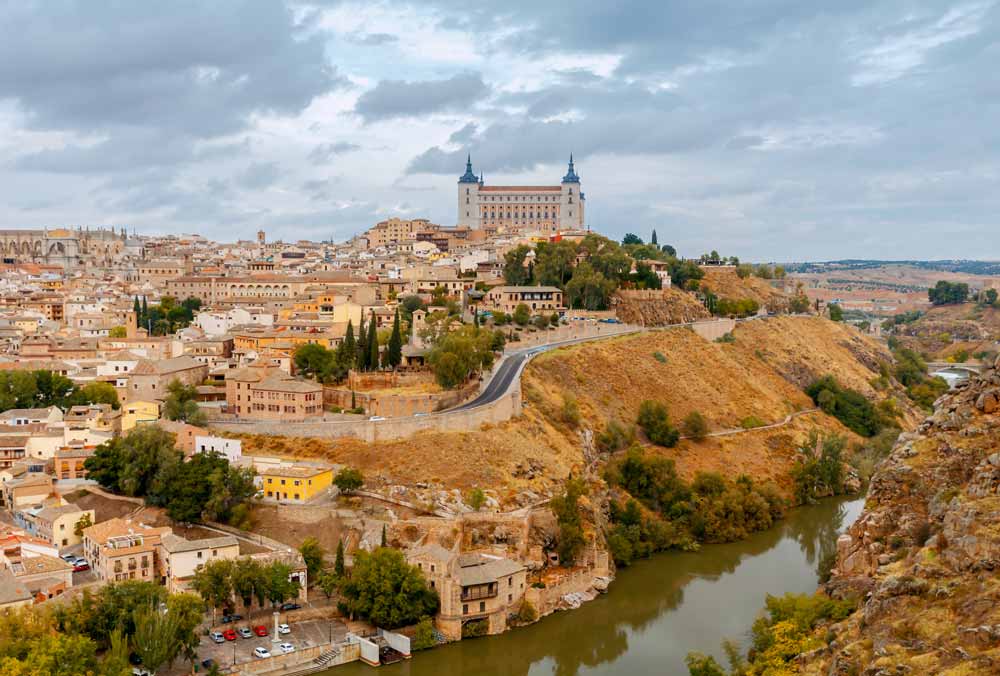
25. Visit the Historic Toledo
Often described as the “City of Three Cultures”, Toledo is one of Spain’s most fascinating historic destinations. Located just outside Madrid, this ancient city showcases centuries of coexistence between Christian, Muslim and Jewish communities, reflected in its architecture, food and traditions.
Walking through Toledo feels like stepping back in time. The medieval streets twist and turn between stone buildings, hidden courtyards and impressive monuments. Highlights include the magnificent cathedral, the historic Jewish Quarter and viewpoints overlooking the city from across the Tagus River. The entire old town is a UNESCO World Heritage Site, and it is easy to understand why.
Although Toledo is popular as a day trip from Madrid, staying overnight offers a much better experience. Once the crowds leave, the illuminated streets become incredibly atmospheric. Wear comfortable shoes because the city’s hills and cobbled lanes can be challenging, but every climb rewards you with another beautiful view.
26. Wander Through Barcelona’s Gothic Quarter
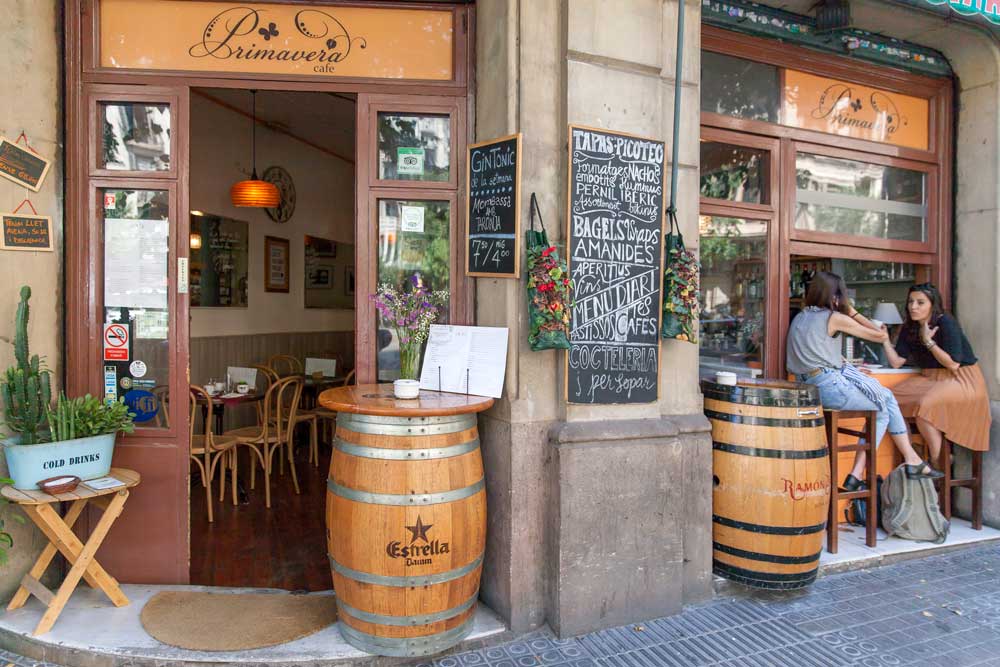
Barcelona is famous for Gaudí’s incredible architecture, but one of my favourite places to simply get lost is the Gothic Quarter. Hidden behind the busy streets of the city centre, this historic neighbourhood feels like a completely different world, with narrow medieval lanes, atmospheric squares and centuries-old buildings around almost every corner.
Walking through the Barri Gòtic is one of those experiences where the journey matters more than having a strict itinerary. You might stumble across a tiny artisan shop, discover a peaceful courtyard tucked away behind an old doorway or find yourself standing in a beautiful square without knowing how you arrived there. The contrast between the ancient stone streets and the lively cafés creates a unique atmosphere that captures Barcelona’s character perfectly.
Don’t rush through this area just to tick off the famous sights. Take your time exploring highlights such as Barcelona Cathedral, Plaça Sant Jaume and the charming Plaça Reial, but leave room for spontaneous discoveries too. Early mornings are ideal if you want quieter streets and better photographs, while evenings bring a completely different energy as locals gather for drinks and dinner; some of the best food at the best Barcelona prices can be found in this area.
27. Explore the Costa Brava’s Hidden Beaches
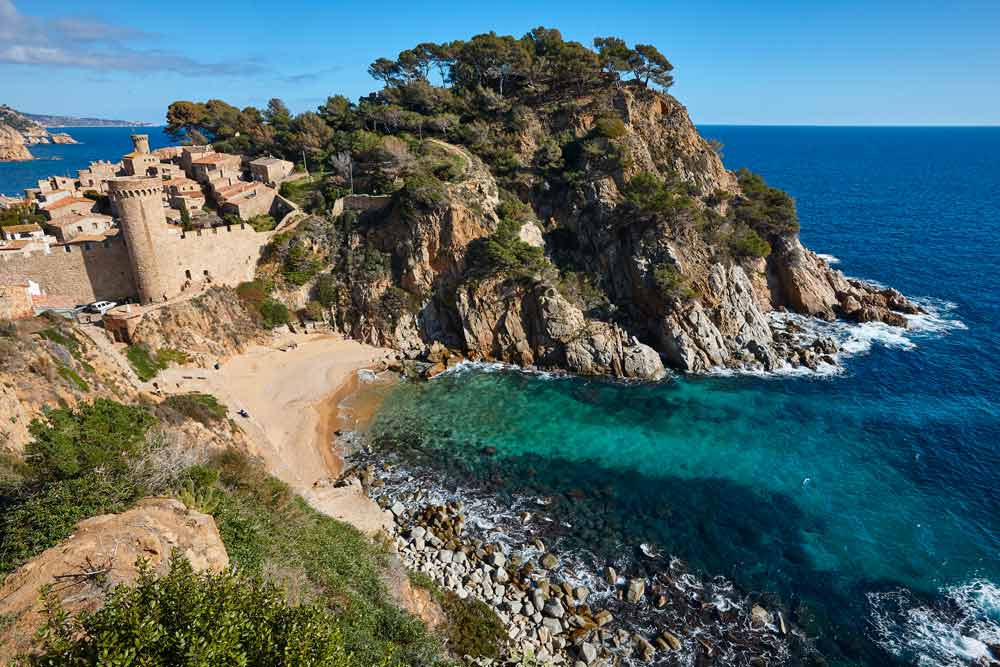
While Spain has many famous coastal destinations, the Costa Brava remains one of the most beautiful places to experience the Mediterranean. Stretching along Catalonia’s coastline, this region combines turquoise waters, dramatic cliffs, pine-covered hills and charming fishing villages that look like they belong on a postcard.
Some of my favourite coastal memories come from exploring places where the landscape feels untouched. Small coves known as calas appear between rocky cliffs, often revealing crystal-clear water that is perfect for swimming and snorkelling. Towns such as Cadaqués, Tossa de Mar and Begur each offer their own unique charm, from whitewashed houses to medieval castles overlooking the sea.
A car is the best way to discover the Costa Brava because many of the most beautiful beaches in Spain require a little effort to reach. Summer can be extremely busy, so visiting in May, June or September offers warm weather with fewer crowds. Pack comfortable shoes too, as some of the most rewarding viewpoints involve short coastal walks.
28. Visit the Royal Monastery of El Escorial
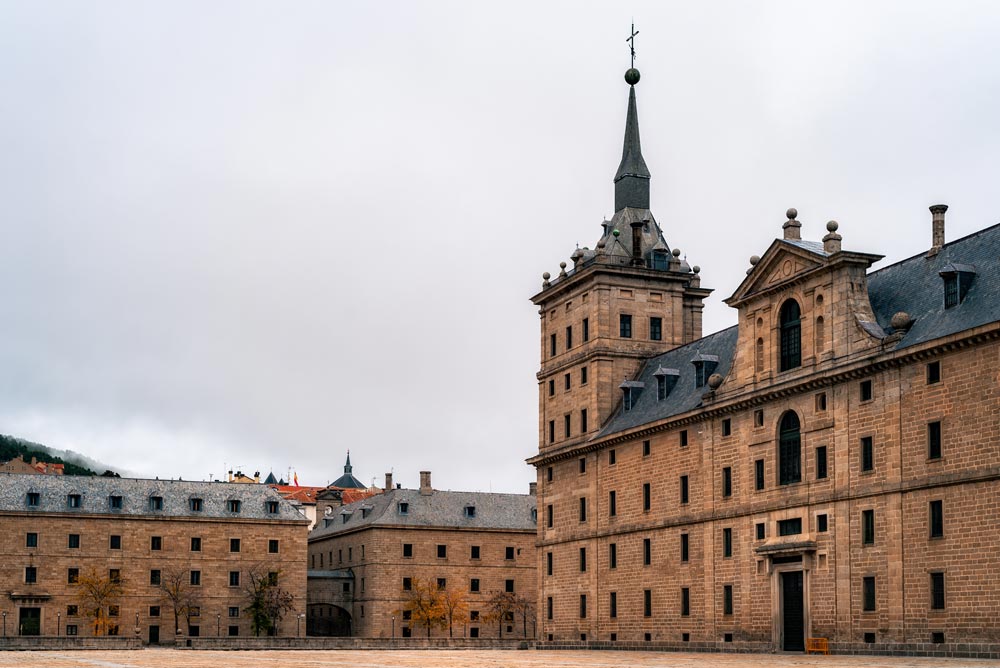
Just outside Madrid sits one of Spain’s most impressive historical landmarks: the Royal Monastery of San Lorenzo de El Escorial. Built during the reign of King Philip II, this enormous complex served as a royal palace, monastery, library and burial place for Spanish monarchs.
The scale of El Escorial is what immediately stands out. From the outside, the building appears almost fortress-like, while inside you’ll find grand halls, beautiful artwork and an incredible library filled with historic manuscripts. The Royal Pantheon, where many Spanish kings and queens are buried, is particularly fascinating and offers a glimpse into the country’s royal past.
El Escorial makes an easy day trip from Madrid, but it feels worlds away from the capital’s busy streets. Give yourself enough time to explore properly because the complex is much larger than it first appears. Comfortable shoes are recommended, and combining your visit with a walk through the surrounding mountain scenery makes for a wonderful escape from the city.
29. See the Roman Ruins of Mérida
For history lovers, Mérida is one of Spain’s most fascinating destinations. Founded by the Romans in 25 BC, the city contains some of the best-preserved Roman ruins in the country, offering a remarkable glimpse into life during the ancient empire.
The Roman Theatre is the highlight for many visitors. Standing among the original columns and stone seating, it’s incredible to imagine performances taking place here more than two thousand years ago. The nearby amphitheatre, aqueduct and Roman bridge add even more depth to the experience, making Mérida feel like an open-air history museum.
Unlike some of Spain’s more famous attractions, Mérida often feels pleasantly uncrowded. It’s possible to explore these ancient sites at your own pace without constantly navigating large groups. Summer temperatures can be intense in Extremadura, so visiting during spring or autumn is ideal, especially if you plan to spend several hours outdoors.
30. Visit the Beaches of Menorca
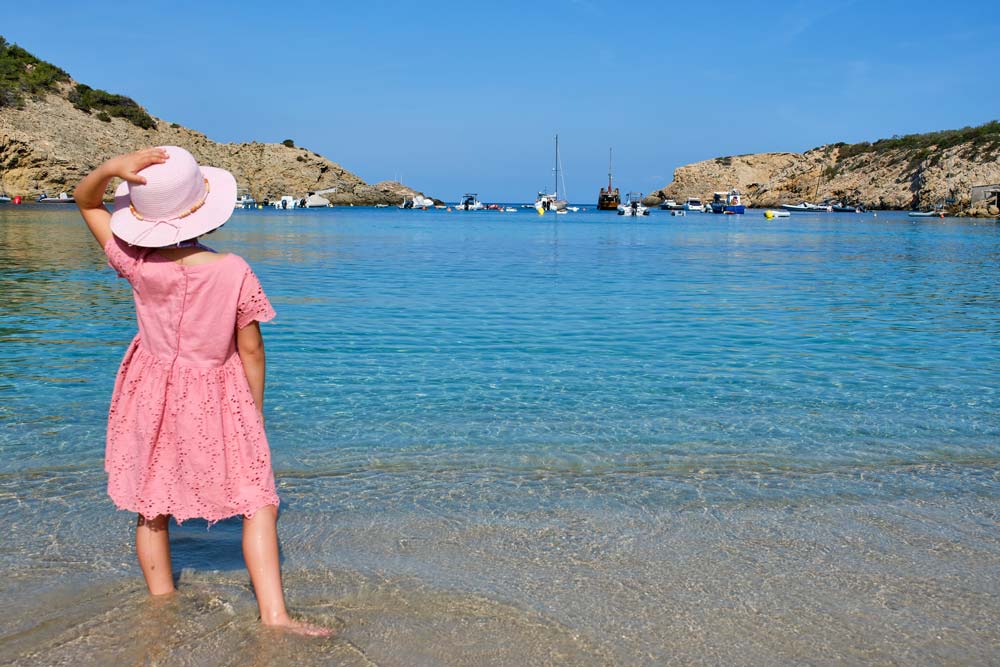
Menorca is often considered the quieter sister of Mallorca and Ibiza, and that slower pace is exactly what makes it special. The island is home to some of Spain’s most beautiful beaches, where bright turquoise water meets untouched landscapes and peaceful coves.
The famous calas of Menorca are the island’s biggest attraction. Places like Cala Macarella, Cala Mitjana and Cala Pregonda showcase the kind of scenery many people imagine when dreaming of a Mediterranean escape. Unlike some heavily developed beach destinations, much of Menorca feels wonderfully natural, with pine forests and walking trails leading down towards hidden swimming spots.
Exploring the island by car gives you the freedom to discover beaches away from the main tourist areas. Some require a walk from the nearest parking area, but the journey often makes arriving at the beach even more rewarding. Bring water, snacks and sun protection because some of the most beautiful locations have limited facilities.
31. Watch the Sunset from Barcelona’s Bunkers del Carmel
For one of the best panoramic views over Barcelona, head uphill to the Bunkers del Carmel. Originally built as anti-aircraft defences during the Spanish Civil War, this historic site has become one of the city’s most popular sunset spots.
The view from the top is incredible. Barcelona stretches out below you, with the Sagrada Família, Mediterranean Sea and surrounding mountains all visible in one sweeping panorama. Watching the city lights slowly appear as the sun disappears is a simple experience, but it’s one that stays with you.
Because the viewpoint has become increasingly popular, it’s best to arrive early if you want a good spot. Bring a drink or picnic snacks, especially if you’re visiting with friends or as a couple. The climb is manageable but involves some uphill walking, so comfortable footwear is useful.
32. Explore Doñana National Park
Nature lovers should add Doñana National Park to their Spain bucket list. Located in Andalusia, this enormous protected area is one of Europe’s most important wetlands and provides a home for an incredible variety of wildlife, including rare birds, deer and the endangered Iberian lynx.
The landscapes here are surprisingly diverse. Sand dunes, marshes, forests and beaches all exist within the park, creating a fascinating contrast to the nearby cities of Seville and Cádiz. Guided tours allow visitors to explore areas that are otherwise inaccessible while learning about the delicate ecosystems that make this place so special.
Spring and autumn are particularly rewarding times to visit because migrating birds pass through the region in large numbers. Since much of the park is protected, independent exploration is limited, so booking an official guided experience is the best way to appreciate the area responsibly.

33. Experience Semana Santa in Seville
Few celebrations capture Spain’s traditions and emotions quite like Semana Santa, or Holy Week. Held during the week leading up to Easter, this deeply meaningful festival transforms cities across Spain, but Seville is widely regarded as one of the most spectacular places to experience it.
The processions that move through Seville’s streets are incredibly powerful. Elaborately decorated floats, traditional music and thousands of participants create an atmosphere unlike anything else. Whether you are religious or simply interested in culture and history, witnessing the dedication and tradition behind these events is unforgettable.
If you plan to visit during Semana Santa, book accommodation far in advance because the city becomes extremely busy. Be prepared for large crowds and changing schedules, as processions can take many hours. The experience requires patience, but seeing Seville’s historic streets filled with centuries-old traditions is something you’ll remember forever.
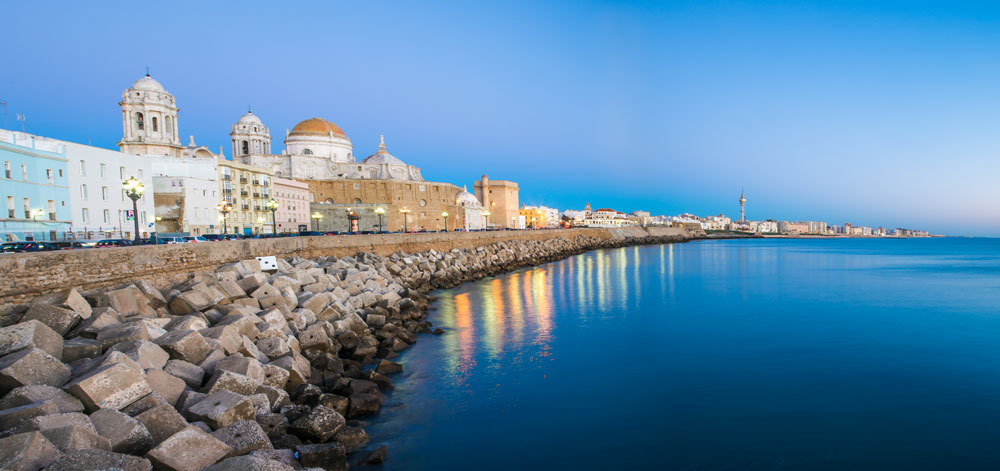
34. Explore the Historic Streets of Cádiz
Often described as one of the oldest cities in Western Europe, Cádiz is a hidden gem on Spain’s southern coast that deserves far more attention. Surrounded almost entirely by water, this ancient port city combines centuries of history with golden beaches, colourful streets and a wonderfully relaxed Andalusian atmosphere.
What I loved about Cádiz is that it feels much less polished and tourist-focused than some of Spain’s more famous destinations. Instead, it has a lived-in charm that makes you want to slow down and simply enjoy the moment. Walking through the old town reveals narrow lanes lined with traditional buildings, lively plazas filled with locals and unexpected viewpoints overlooking the Atlantic Ocean.
The city’s cathedral is one of the main highlights, with its distinctive golden dome standing proudly above the waterfront, but some of the best experiences come from wandering without a plan. Climb the Torre Tavira for panoramic views across the rooftops, explore the historic castle fortifications and spend an afternoon relaxing at La Caleta Beach, a beautiful stretch of sand tucked between two old fortresses.
Cádiz is particularly magical at sunset when the city’s sea walls and promenades glow in the evening light. If you’re planning a wider Andalusia road trip, it makes a wonderful addition alongside Seville, Ronda and the white villages. Visit outside the peak summer months if you want comfortable temperatures for exploring, as the narrow streets and stone buildings can become extremely hot during July and August.
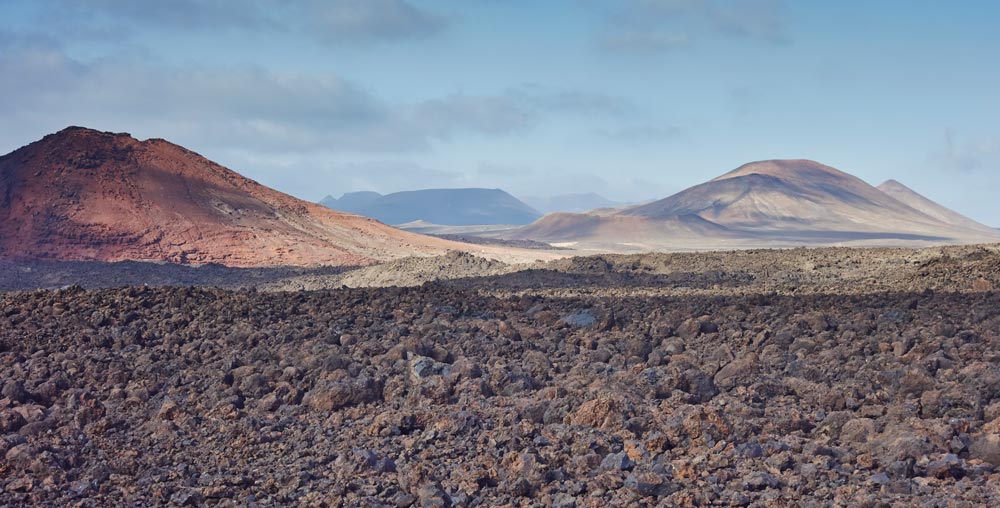
35. Discover the Volcanic Landscapes of Lanzarote
Lanzarote feels unlike anywhere else in Spain. Part of the Canary Islands, this fascinating destination is famous for its volcanic landscapes, black lava fields, dramatic coastlines and unique architecture influenced by local artist César Manrique. It is the kind of place where every viewpoint feels completely different from the last.
The highlight for many visitors is Timanfaya National Park, where hundreds of years of volcanic activity have created a landscape that looks almost otherworldly. Driving through the park reveals mountains of red, orange and black volcanic rock stretching as far as the eye can see. The terrain feels wild and untouched, offering a completely different side of Spain compared with the historic cities and Mediterranean beaches found on the mainland.
One of the things that makes Lanzarote so special is how beautifully nature and design work together. César Manrique’s influence can be seen throughout the island, with attractions such as Jameos del Agua and Mirador del Río blending architecture seamlessly into the surrounding environment. His vision helped preserve Lanzarote’s natural beauty while creating spaces that feel both artistic and practical.
Hiring a car is the best way to experience the island because many of its most impressive locations are spread out. Take your time exploring the volcanic scenery, coastal viewpoints and small villages rather than trying to rush through everything in a few days. The weather is pleasant throughout much of the year, making Lanzarote an excellent choice for winter sun as well as summer escapes.
Things to Know Before you go to Spain
Spain is one of the easiest countries in Europe to travel around, but a little preparation can make your trip even more enjoyable. From choosing the right season to understanding local customs, these tips will help you make the most of your Spanish adventure.
Choose your travel season carefully
- Spring (March to May) and autumn (September to October) are often the best times to visit Spain. The weather is generally warm without the intense summer heat, and popular attractions tend to be less crowded.
- Summer (June to August) is perfect for beach destinations such as Mallorca, Ibiza, Costa Brava and the Canary Islands, but expect higher prices and busy tourist areas.
- Southern cities like Seville, Córdoba and Granada can become extremely hot in July and August, with temperatures regularly climbing above 35°C, so plan sightseeing for mornings and evenings.
- Winter can be a great time to explore cities like Madrid, Barcelona and Valencia, while the Canary Islands offer reliable sunshine if you are looking for a winter escape.
Don’t try to see everything in one trip
Spain may look manageable on a map, but it is a much larger country than many first-time visitors expect. Travelling from Barcelona to Seville or Madrid to Granada can take several hours, and trying to squeeze too many destinations into one itinerary can leave you spending more time in transit than actually enjoying the places you visit.
Instead, focus on one or two regions. An Andalusia road trip, a northern Spain adventure through the Basque Country and Galicia, or a combination of Barcelona and the Costa Brava can each provide an incredible holiday without feeling rushed.
Use Spain’s excellent transport network
Spain has some of the best high-speed trains in Europe, making it surprisingly easy to travel between major cities without hiring a car. Routes connecting Madrid, Barcelona, Seville, Valencia and Málaga are fast, comfortable and often much easier than navigating airports.
For smaller towns, coastal areas and rural attractions, renting a car can be worthwhile. Some of Spain’s most memorable experiences—such as exploring white villages in Andalusia or discovering hidden beaches on the Costa Brava—are much easier with your own vehicle.
Book popular attractions in advance
Spain’s most famous landmarks are popular for a reason, but that also means tickets can disappear quickly.
- Book ahead for attractions such as the Sagrada Família, Alhambra, Royal Alcázar of Seville and Park Güell.
- Consider visiting major sights early in the morning or later in the afternoon when crowds are smaller.
- Some attractions use timed entry tickets, so leaving your plans until the last minute may mean missing out.
Learn a few basic Spanish phrases
While English is widely spoken in tourist areas, especially in larger cities, learning a few simple Spanish phrases can make everyday interactions much easier and is always appreciated by locals.
Useful phrases include:
- Hola – Hello
- Gracias – Thank you
- Por favor – Please
- ¿Cuánto cuesta? – How much does it cost?
- La cuenta, por favor – The bill, please
- No hablo mucho español – I don’t speak much Spanish
Even attempting a little Spanish can lead to warmer interactions, especially in smaller towns and local restaurants.
Adjust to Spanish meal times
Spain runs on a different schedule compared with many countries. Lunch is often eaten later, usually around 2–4pm, while dinner commonly begins after 8pm.
Don’t be surprised if restaurants feel quiet earlier in the evening. Many locals are only just arriving when visitors are finishing their meals. Embrace the slower pace, enjoy a long dinner and take time to experience Spain’s incredible food culture.
Try local food rather than only tourist favourites
Spain’s cuisine changes dramatically from region to region, so make food part of your itinerary.
- Try pintxos in the Basque Country.
- Sample paella in Valencia.
- Order jamón ibérico in Andalusia.
- Eat pulpo a la gallega in Galicia.
- Enjoy traditional tapas wherever you travel.
Some of the best meals are often found away from the busiest tourist streets. Look for restaurants filled with locals, smaller family-run establishments and places with menus written in Spanish.
Carry comfortable shoes
Many of Spain’s most beautiful places are best explored on foot. Historic neighbourhoods often feature uneven cobblestone streets, steep hills and plenty of walking, especially in cities like Toledo, Granada and Ronda.
A comfortable pair of walking shoes will make a huge difference. You’ll be glad you packed them after spending hours wandering through medieval streets, palace gardens and historic city centres.
Carry cash but don’t rely only on it
Credit and debit cards are widely accepted throughout Spain, particularly in hotels, restaurants and larger shops. However, carrying some euros is still useful for smaller cafés, local markets, rural areas and occasional small purchases.
It’s also worth checking whether your bank charges international transaction fees before travelling.
Respect local customs and traditions
Spain is a relaxed and welcoming country, but understanding local customs helps you have a smoother experience.
- Greet people politely when entering small shops or cafés.
- Avoid being overly rushed—Spanish culture often values taking time to enjoy conversations and meals.
- Dress appropriately when visiting churches and religious sites.
- Remember that many shops and businesses close for a few hours in smaller towns during the afternoon.
Consider travelling beyond the famous cities
Barcelona, Madrid and Seville deserve their popularity, but some of Spain’s most unforgettable experiences come from smaller destinations.
Places like Cádiz, Ronda, Cadaqués, Salamanca, Segovia and the villages of Andalusia offer incredible scenery, history and culture without the same crowds found at Spain’s biggest attractions.
Some of my favourite travel memories often come from the places I almost skipped, so leave some room in your itinerary for unexpected discoveries.
Take your time and enjoy the Spanish way of life
Perhaps the best advice for visiting Spain is simply not to rush. This is a country designed for slow mornings, long lunches, sunset walks and spontaneous stops.
Whether you are exploring ancient cities, relaxing on Mediterranean beaches or enjoying tapas late into the evening, the experiences that stay with you are often the moments when you slow down and truly enjoy where you are.
Spain Bucket List FAQs
What are the best things to add to a Spain bucket list?
The best Spain bucket list experiences combine famous landmarks, incredible food, beautiful landscapes and unique cultural moments. Some must-have experiences include visiting the Sagrada Família in Barcelona, exploring the Alhambra in Granada, watching flamenco in Seville, wandering through historic cities like Toledo and Córdoba, relaxing on Mediterranean beaches and trying authentic Spanish tapas.
Spain is incredibly diverse, so the best bucket list will depend on your travel style. History lovers may prefer exploring Roman ruins and medieval towns, while beach lovers might want to focus on the Balearic Islands, Costa Brava or the Canary Islands.
How many days do you need to visit Spain?
A trip of at least 10–14 days is recommended for a first visit to Spain, allowing you to experience several regions without spending your entire holiday travelling between destinations. Two weeks gives you enough time to combine major cities such as Barcelona, Madrid and Seville with smaller destinations or coastal areas.
If you have less time, focus on one region rather than trying to see the entire country. For example, a week in Andalusia could include Seville, Granada, Córdoba and Málaga, while a Barcelona and Costa Brava itinerary offers a fantastic mix of city experiences and beach relaxation.
What is the most beautiful place in Spain?
Beauty is very subjective, but some of the most breathtaking places in Spain include the Alhambra in Granada, the beaches of Menorca, the mountain landscapes of the Picos de Europa, the volcanic scenery of Lanzarote and the dramatic coastline of the Costa Brava.
Many travellers also fall in love with smaller towns such as Ronda, Cadaqués, Frigiliana and Albarracín because they offer incredible scenery alongside traditional Spanish charm.
What is the number one attraction in Spain?
The Sagrada Família in Barcelona is often considered Spain’s most iconic attraction, attracting millions of visitors every year. Antoni Gaudí’s unfinished masterpiece is unlike any other building in the world, with incredible architecture, colourful stained glass and intricate details throughout.
However, Spain has many world-famous attractions that deserve a place on your itinerary, including the Alhambra, Park Güell, the Royal Palace of Madrid and the Mezquita-Catedral of Córdoba.
What are the best cities to visit in Spain?
The best cities to visit in Spain include Barcelona, Madrid, Seville, Granada, Valencia, San Sebastián, Bilbao and Málaga.
Each city offers something different. Barcelona is known for Gaudí’s architecture and beaches, Madrid offers world-class museums and royal history, Seville showcases Andalusian culture and flamenco, while San Sebastián is famous for incredible food and coastal scenery.
What is the best month to visit Spain?
The best months to visit Spain are generally April to June and September to October. During these months, temperatures are usually comfortable, attractions are less crowded than during peak summer and accommodation prices are often lower.
July and August are ideal for beach holidays but can be extremely hot, especially in southern cities like Seville, Córdoba and Granada. If you want to explore cities and historic sites comfortably, spring and autumn are usually the best choices.
Is Spain expensive to visit?
Spain is one of the more affordable destinations in Western Europe, although prices vary greatly depending on where you go. Major cities such as Barcelona, Madrid and San Sebastián can be more expensive, particularly during peak travel seasons.
Travellers can save money by eating at local restaurants away from tourist areas, using Spain’s excellent public transport system and visiting smaller towns where accommodation and food are often cheaper. Tapas culture also makes it easier to enjoy great food without spending a fortune.
What are the most unique things to do in Spain?
Some of the most unique experiences in Spain include hiking the Caminito del Rey, watching the sunset at Es Vedrà in Ibiza, exploring volcanic landscapes in Lanzarote, joining La Tomatina tomato festival, seeing a flamenco performance in Seville and walking part of the Camino de Santiago.
Spain’s most memorable experiences often come from combining famous attractions with local traditions, whether that means enjoying a late-night tapas crawl, watching a festival procession or discovering a hidden village.
Stay Creative!
Thank you for your support and love for Creative Travel Guide. If you are looking for more video tips, make sure to head over to your YouTube channel and follow us on Instagram for daily tips and chats.
Share any questions or comments below and happy creative travels!